A Global Summit, a Personal Reckoning
At the European Society for Medical Oncology (ESMO) Leadership Summit in Singapore, discussions moved rapidly from antibody–drug conjugates to next-generation sequencing and the expanding role of immunotherapy. Clinical trial curves filled large screens, and hazard ratios were debated with precision. The atmosphere reflected confidence in the rapid progress of modern oncology.
Yet as I listened, I felt a quiet professional dissonance.
The conversations taking place in this technologically advanced setting seemed far removed from the realities awaiting me in Yemen, a country where access to basic chemotherapy is often uncertain and diagnostic delays are measured in months rather than days.
The divide in global oncology is neither abstract nor theoretical. It is real and deeply felt.
Training Across Continents
My professional journey began at Dalian Medical University in China and continued at Shandong Second Provincial General Hospital, where I worked as a medical oncologist and principal investigator. My focus was tumor biology, particularly the signaling pathways shaping the tumor immune microenvironment. Our work explored how cancer interacts with the body and how treatment outcomes are influenced not only by malignant cells but also by coexisting cardiovascular and cerebrovascular risks.
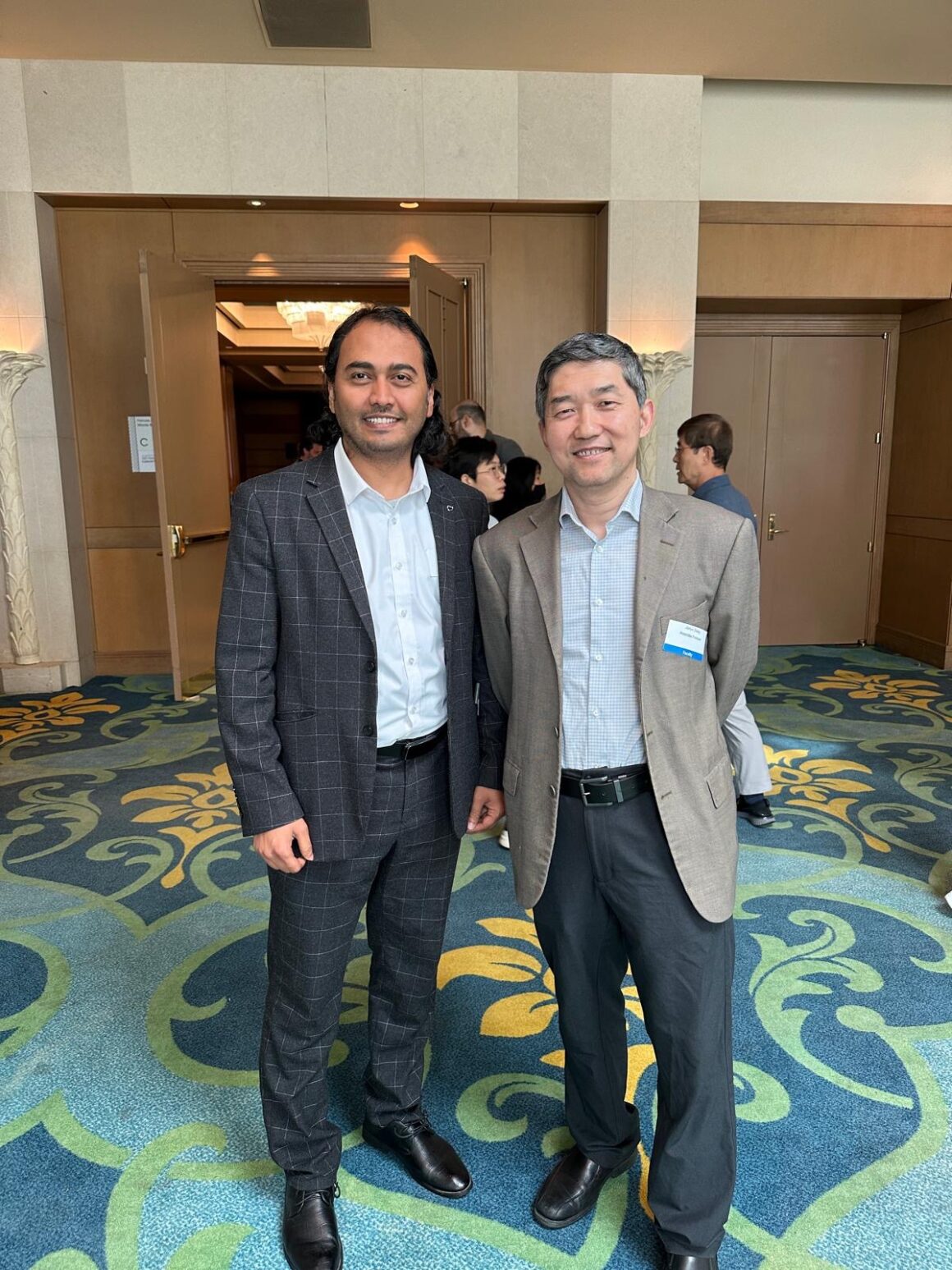
Dr Mohammed Safi with his advisor in the United States
Later, at MD Anderson Cancer Center in Houston, I expanded my experience into clinical and epidemiological research. I worked within multidisciplinary teams studying lung cancer, immunotherapy-related toxicities, and the intersection of chronic disease and malignancy. The scale of infrastructure was remarkable—extensive clinical trial networks, precision diagnostics, and structured survivorship programs supported by comprehensive data systems. In such environments, innovation feels continuous and seamlessly integrated into clinical practice.
Two Realities, One Disease
However, global oncology remains deeply uneven. In high-income countries, discussions often focus on optimizing molecular selection and sequencing novel therapies. In lower-resource settings, the central question may simply be whether patients can access pathology services, radiation therapy, or essential medications.
Returning to Yemen at the end of 2024 brought this contrast into sharp focus.
Years of instability have profoundly strained the healthcare system. Supply chains remain fragile, workforce shortages persist, and access to diagnostic imaging and pathology services is limited outside major cities. For oncology professionals, clinical decisions are shaped as much by logistics as by biology.
Practicing Oncology Under Constraint
Dr Anter Kaed Al-affary, Senior Consultant of Surgical Oncology and Head of the Surgical Department at Al Amal Oncology Hospital, the National Oncology Center in Sana’a, describes this challenge clearly:
“Our physicians are trained to practice evidence-based oncology, but evidence assumes infrastructure. When access to imaging, molecular testing, or consistent drug supplies is disrupted, we must adapt international guidelines to local realities. The science remains the same, but implementation is entirely different.”
His words capture a broader tension. Modern oncology depends on functioning systems — reliable laboratories, safe infusion facilities, multidisciplinary tumor boards, and financial protection for patients. Without these, scientific innovation cannot translate into meaningful outcomes.
The Human Cost: Burnout and Uncertainty
The burden of working in such conditions is not only institutional but deeply personal. Chronic uncertainty regarding medication availability, electricity supply, and patient affordability accumulates over time, placing healthcare professionals at high risk of burnout.
Dr Dario Trapani, Assistant Professor of Medical Oncology at the University of Milan and oncologist at the European Institute of Oncology, engaged in global cancer policy initiatives, offers a broader perspective:
“Therapeutic acceleration, if not matched by commensurate investment in implementation science and health system architecture, risks entrenching, rather than reducing the global survival inequities. Innovation without equity is not progress but a mere stratification. Innovation is where impact is delivered to all the people in need.”
His observation highlights an uncomfortable reality: without deliberate efforts to promote equity, innovation alone may deepen global disparities.
Clarity Through Constraint
Yet the story is not solely one of limitation.
Practicing oncology in Yemen also sharpens clinical fundamentals. When resources are scarce, clinical judgment becomes paramount. Communication with patients and families deepens, and shared decision-making becomes grounded in honesty about what is realistically achievable. The core mission of relieving suffering and extending meaningful life becomes vividly clear.
Translating Evidence into Local Practice
The challenge, therefore, is not to replicate high-income healthcare systems but to translate global evidence into context-sensitive practice.
Treatment protocols often require modification based on medication availability. Multidisciplinary care may rely heavily on teleconsultation. Prevention and early detection strategies must adapt to cultural and economic realities. Even palliative care, often undervalued, becomes central when curative options are delayed or inaccessible.
Importantly, oncology professionals themselves require structural support. Sustainable healthcare systems cannot rely solely on individual dedication. Investments in training, international collaboration, and mental health support are essential to prevent long-term professional fatigue.
International partnerships offer practical pathways forward. Collaborative tumor boards, regional research networks, and guideline adaptations tailored for low- and middle-income countries can help narrow the divide. Professional societies and global institutions increasingly recognize this need, but true equity requires long-term commitment.
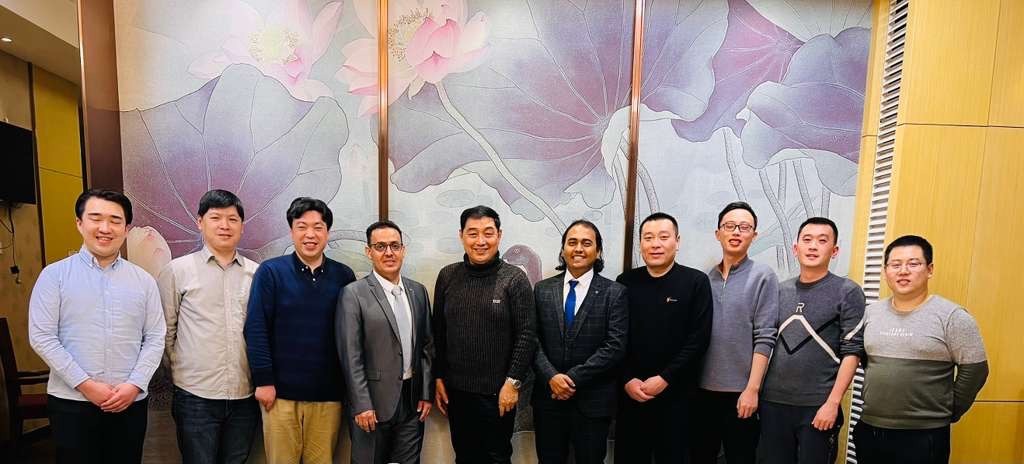
Dr Mohammed Safi as Principal Investigator in China with the research team
My journey from China to the United States and back to Yemen has reshaped my understanding of progress. Scientific discovery is indispensable, but discovery alone does not guarantee access. The true measure of oncology’s success lies not only in how advanced therapies become, but in how widely and fairly they are distributed.
Cancer does not respect borders. Neither should solutions.
A Shared Responsibility
The future of global oncology depends on integrating innovation with implementation. It requires acknowledging disparities without accepting them as inevitable. It demands humility from well-resourced systems and persistent advocacy from under-resourced ones.
Ultimately, bridging the oncology divide is not about geography. It is about responsibility.
Whether in Dalian, Houston, or Sana’a, oncology professionals share a common ethical commitment: to ensure that advances in cancer science translate into tangible benefits for patients everywhere. The paths forward may differ, but the direction must remain shared.
Progress in oncology has been extraordinary. Ensuring that this progress reaches all patients regardless of where they live is the next frontier.
About the Author
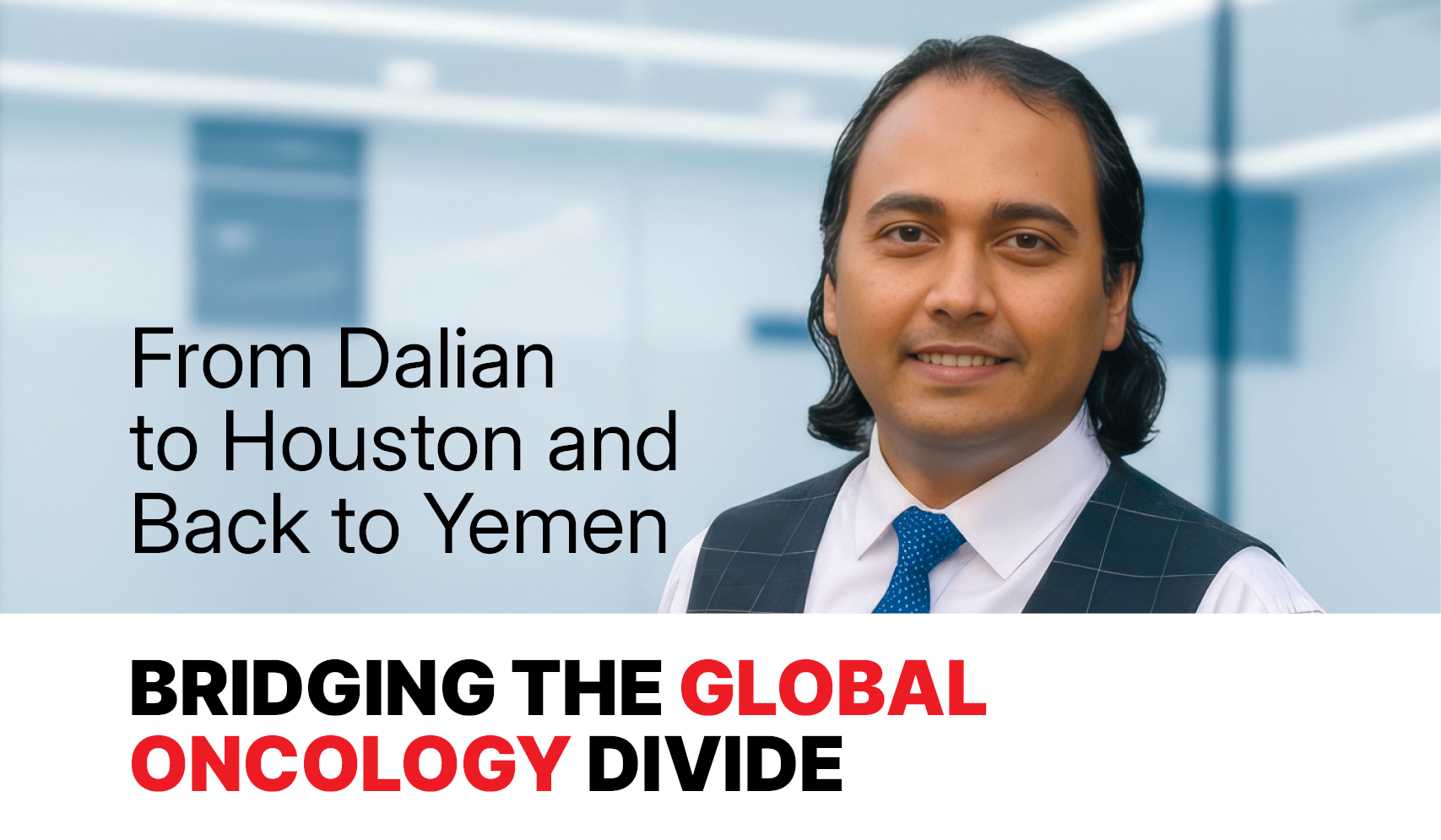
Mohammed Safi, MD, PhD, is a consultant oncologist at Al-Thawrah Hospital, Hodeidah, Yemen, and a member of the Editorial Board of the OncoDaily medical journal.