When he enters the bazaar, people stand up… They stop. They smile. They love him.
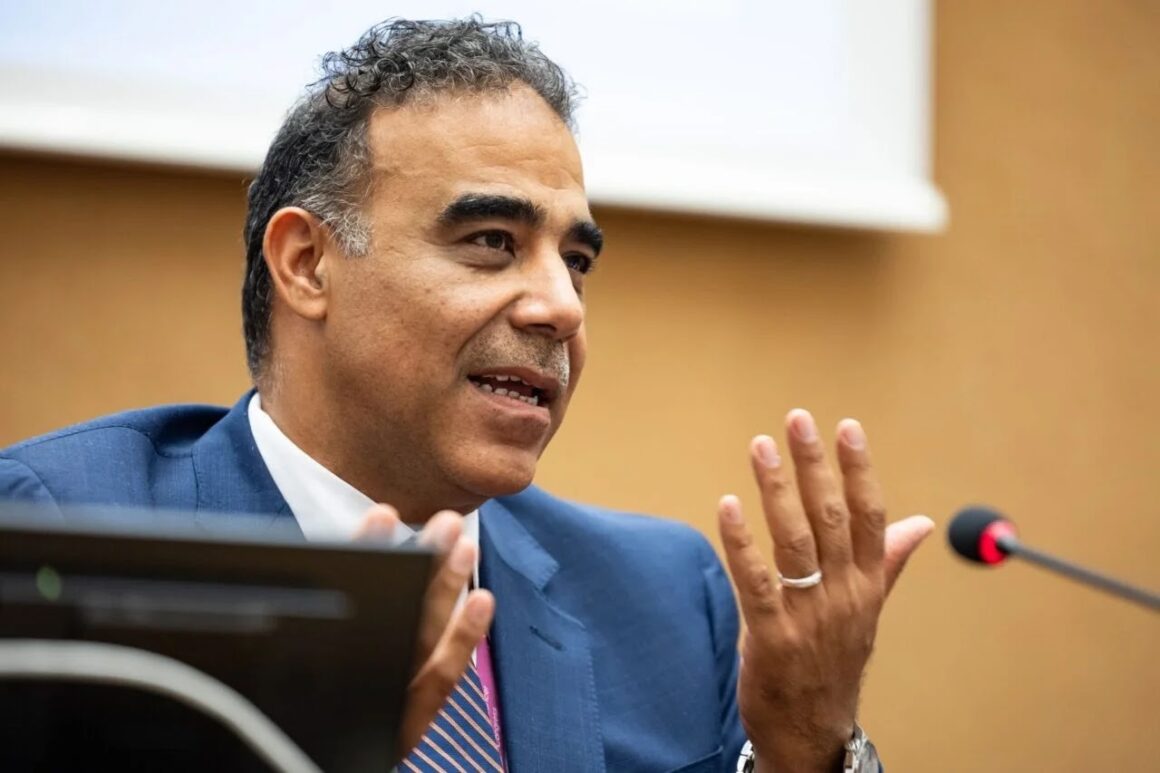
This kind of love has nothing to do with titles, resources, or power. It is something far rarer. It is the quiet admiration of ordinary people for their doctor.
A man who moves without noise, leads without spectacle, and changes oncology in Egypt not with force, but with persistence. With a smile. With tireless care for patients. By building systems. By building teams. By building champions.
***
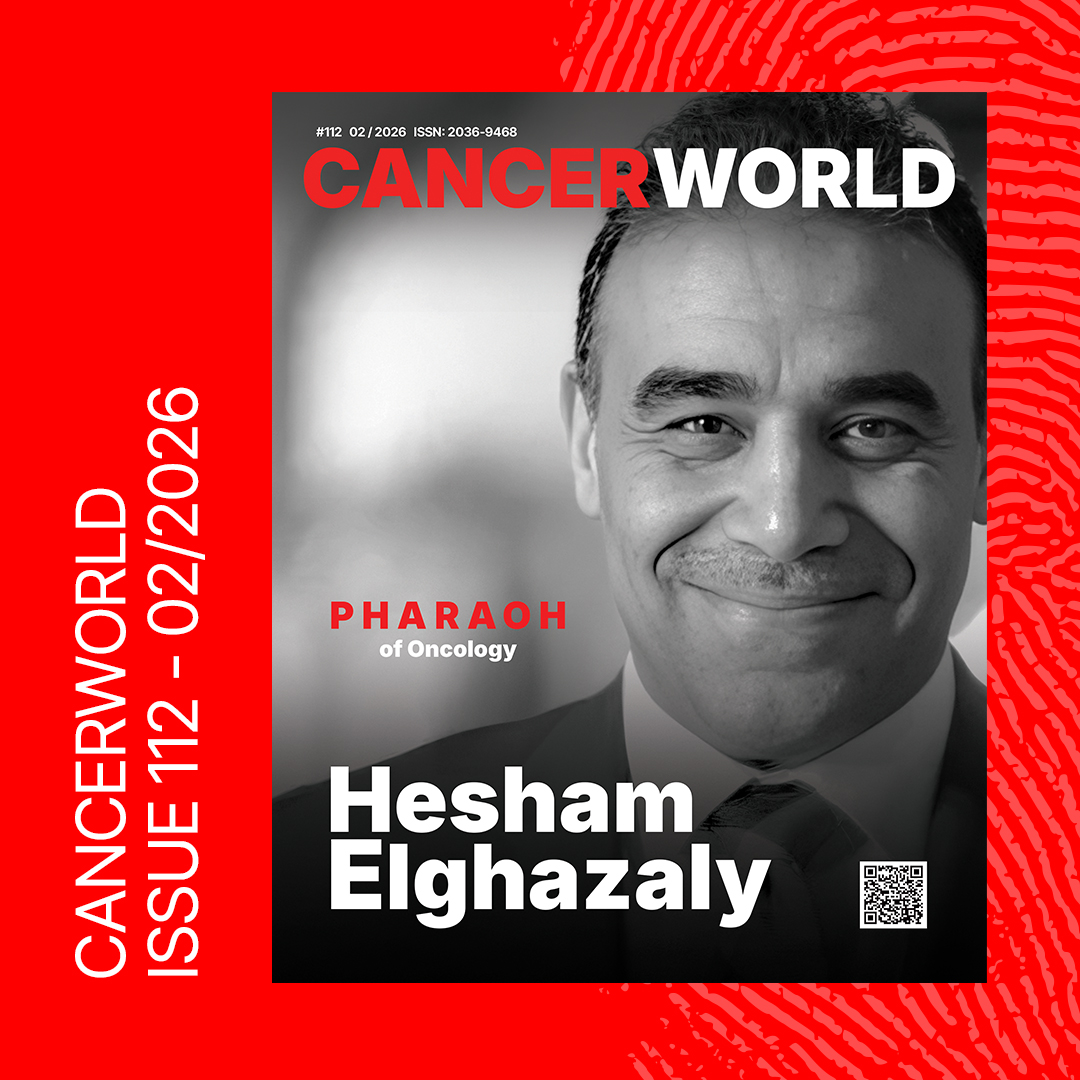
When I sat down with Hesham Elghazaly, it felt less like a formal interview and more like a continuation of a shared journey. We had just returned from Cairo, where more than 5,000 oncologists, policymakers, scientists, and global leaders gathered for what many called not a conference, but a festival of oncology.
Hesham is not only the President of the Egyptian Cancer Society, but also the President of the BGICC – an initiative that has quietly evolved into one of the most influential oncology summits in the region. Physician, scientist, system builder, and relentless collaborator, who represents the generation of oncology leadership rooted not in titles, but in outcomes.
A Congress in Cairo That Looked Like ASCO or ESMO Annual Meetings
Walking past the registration desk on the second day of the meeting, around 11 a.m., I saw something I had previously seen only at ASCO or ESMO: long lines, buzzing energy, and people from all over the world converging in one place.
I asked Hesham how it happened.
He was clear: this was not the success of one person or one organization.
“It was integration,” he said. “Global, regional, and national societies working together – not in parallel, but in alignment.”
BGICC originally stood for Breast, Gynecology, and Immuno-Oncology International Cancer Conference. But this year, it became something more ambitious: a true oncology summit. Three major meetings merged into one platform:
- BGICC (breast, gynecology, immuno-oncology)
- OncoBronco (lung cancer)
- IGILUC (gastrointestinal and genitourinary oncology).
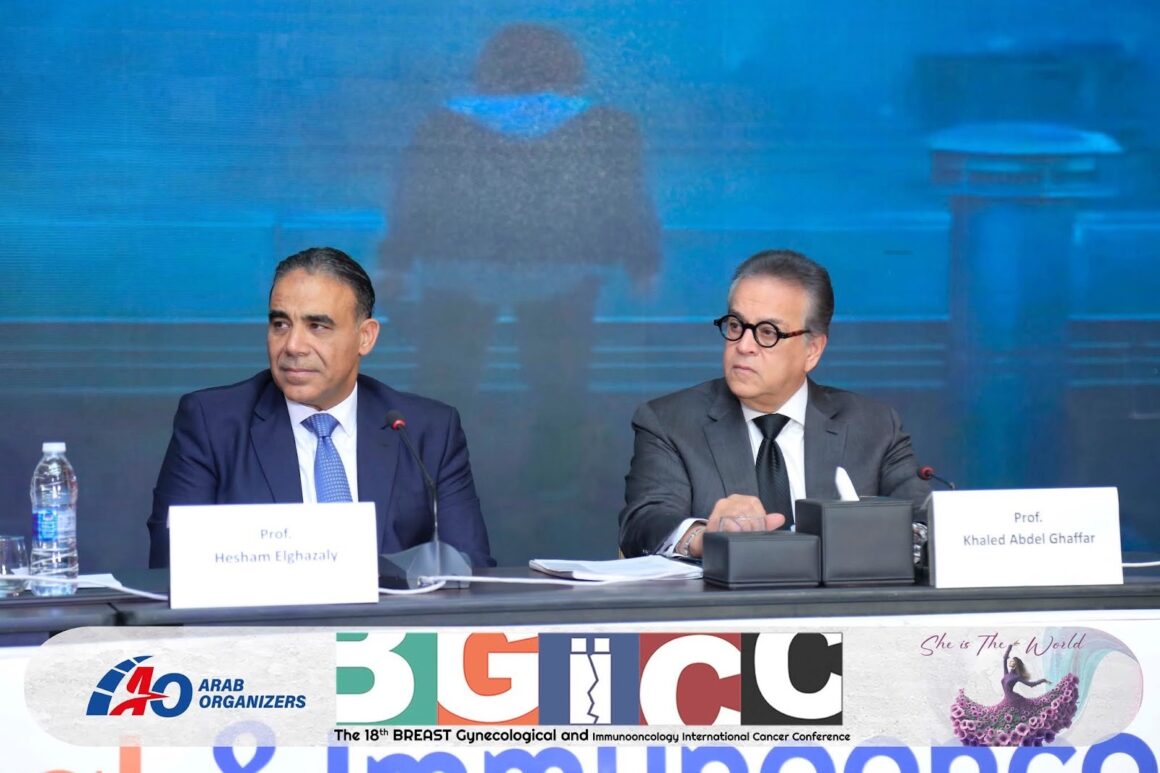
The goal was not only science and clinical practice, but policy, capacity-building, and sustainability.
Global leaders joined regional and national ones: WHO regional leadership, UICC, IARC, ASCO, ESMO, ASTRO, and multiple regional oncology societies – from the Emirates to Algeria. Ministers, policymakers, and international organizations shared the same stage.
“This integration,” Hesham Elghazaly said, “is the only way to fight cancer – not just globally, but locally, especially in low- and middle-income countries.”
Egypt’s Presidential Initiative: Turning Policy into Measurable Impact
At the heart of Professor Hesham Elghazaly’s work lies one of the most impactful cancer control efforts in recent years: Egypt’s Presidential Initiative for Women’s Health.
The results are extraordinary and measurable.
- Advanced breast cancer (Stage III–IV) cases dropped from 70% in 2019 to 20%.
- The time to diagnosis fell from over 120 days to just 49 days.
- 100% of breast cancer patients are now discussed in multidisciplinary tumor boards.
- Breast cancer mortality decreased by 15% between 2022 and 2024.
This exceeds the WHO Global Breast Cancer Initiative target of a 2.5% annual reduction.
“These are not projections,” Hesham emphasized. “These are outcomes. And we will publish the data very soon.”
The key, he said, was political will, combined with system design, accountability, and collaboration across ministries.
From National Success to Global Replication
But Hesham Elghazaly does not see Egypt’s success as an endpoint.
He sees it as a template.
The vision now is sustainability and replication – across Africa and other low- and middle-income countries. Egypt, he believes, can serve as a lighthouse for breast cancer control.
This thinking led to a historic moment: the first-ever World Economic Forum side meeting outside Davos, held in Egypt.
The meeting brought together:
- World Economic Forum leadership
- World Bank and African Development Bank
- Digital and telecom leaders (including Vodafone and Orange)
- NGOs, international societies, and civil society
- Egypt’s Deputy Prime Minister and Minister of Health and Population, Prof. Khaled Abdel Ghaffar.
The outcome was a strong investment case designed to sustain and replicate Egypt’s achievements.
“This is how policy becomes impact,” Dr. Elghazaly said. “And impact becomes equity.”
Why Oncology Chose Him and Not the Other Way Around
I asked Hesham to go back to the beginning.
Why medicine? Why oncology?
He smiled.
“I loved challenges,” he said.
A top student from early childhood, medicine felt natural. But oncology was different. When he graduated in 1993, oncology was considered a dark specialty – few solutions, many losses.
“Everyone told me not to choose it,” he recalled. “That made me want it more.”
For him, oncology demanded two things: deep scientific understanding, especially in under-researched areas, and radical collaboration, across borders and institutions.
He believes influence matters most when it happens inside your own country.
“I was very proud when OncoDaily named me among the 100 influential people in oncology,” he said. “Because my influence is not from outside Egypt – it is from inside.”
He referenced Naguib Mahfouz, who won the Nobel Prize by excelling in something deeply local.
“That is the path,” Hesham said. “Local impact first. Then regional. Then global.”
Persistence, Faith, and a Mother’s Influence
When I asked about the key to his success, Hesham did not hesitate.
“God. And my mother.”
She passed away in 2017, but her influence remains central to his life.
He described himself as relentlessly persistent.
“I failed,” he said. “But I never stop. Every goal I set, I eventually reach – even if it takes many failures.”
Keep Smiling
Hesham credits many mentors, inside and outside Egypt – scientific, personal, and moral.
One moment stayed with him.
During the early days of organizing BGICC, when he was still under 40, doubts surrounded him. A senior French oncologist, Professor Moise Namer, gave him simple advice:
“Keep smiling. Your smile will give confidence to your team and to everyone watching.”
He never forgot it.
The Music
Hesham is not a solo operator. He builds teams.
At Ain Shams University, Dr. Elghazaly played a pivotal role in establishing the MASRI Research Center, leveraging advanced research units and genomic platforms to build a fully accredited research infrastructure that supports high-quality scientific innovation and translational research.Under his leadership, teams have published in Science and Nature.
“I see it like music,” he said. “Everyone plays a part. Without each person, the result is impossible.”
Advice to the Next Generation
His advice was concise:
“Dream big. Persist.”
The Future of Global Oncology
For Hesham, the future lies in radical collaboration.
UICC. IARC. WHO. ASCO. ESMO. ASTRO… Regional societies. Governments.
“If we work together,” he said, “the sky is the limit.”
Data, he believes, is the new engine of transformation – digital pathology, genomics, artificial intelligence. These tools will reshape outcomes, if shared equitably.
What Comes Next—for Him and for the World
His next challenge is clear:
- Sustain Egypt’s mortality reduction.
- Push it further.
- Replicate it across Sub-Saharan Africa and the Arab world.
His long-term dream?
“To unite Arab countries in science and research. And to help Africa move as one.”
On the global level, he sees himself as a connector, someone who helps international organizations work together toward equity in cancer research and care.
One Sentence
When I asked him to define himself in one sentence, Hesham paused, then said:
“A person who tried to make a difference.”
That sentence, in many ways, says everything.