
Featured
Beyond the Checkpoint: What Comes After PD-1?
When the first signals of modern immunotherapy began to emerge a little over a decade ago, many of us realised that oncology was about to change forever. I still remember the sense of astonishment when we saw the first durable…
The Other Fight: Confronting Workplace Discrimination Against Cancer Survivors
Workplace discrimination remains one of the most persistent and underrecognized challenges faced by individuals diagnosed with cancer. While advances in treatment have significantly improved survival rates and quality of life, many patients and survivors encounter a different kind of battle…

From Oceans to Organs: The Alarming Cancer Risks of Microplastics
Given the global estimate that approximately 9 to 14 million metric tons of plastic enter the oceans yearly—continuing to fragment into microplastics (MPs)—the urgency to understand their potential health effects has escalated. Particularly concerning is the growing body of evidence…
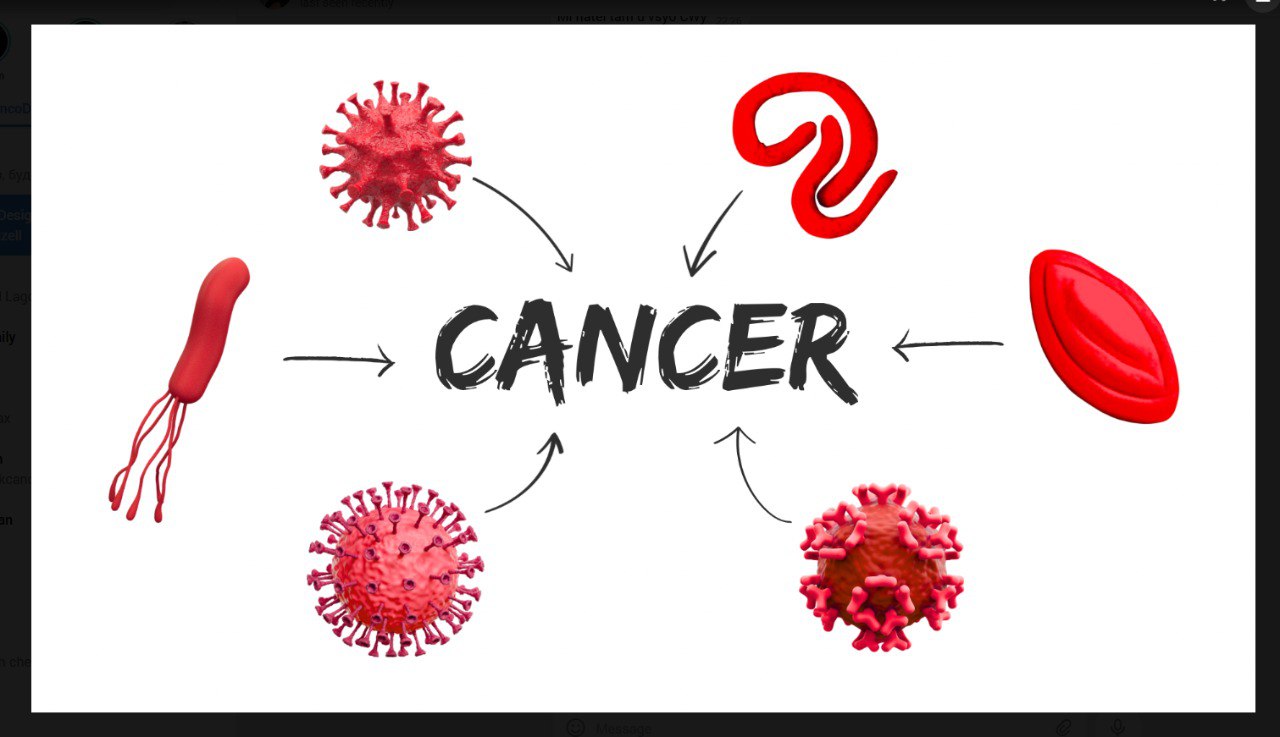
Agents of Mutation: Pathogens as Catalysts of Carcinogenesis
Cancer has traditionally been viewed as a non-communicable disease—one driven by genetic predisposition, environmental exposure, and lifestyle factors. Yet a substantial and increasingly compelling body of epidemiological research has shown that a significant proportion of cancers are caused by infectious…
It’s no longer taboo to suggest that some metastatic breast cancers may be curable
It’s long been clear that, in most patients with metastatic HER-positive breast cancer, adding effective HER2 blockade to cytotoxics can result in very prolonged responses. Janet Fricker reports on the prospective trials building evidence on whether – and in whom…
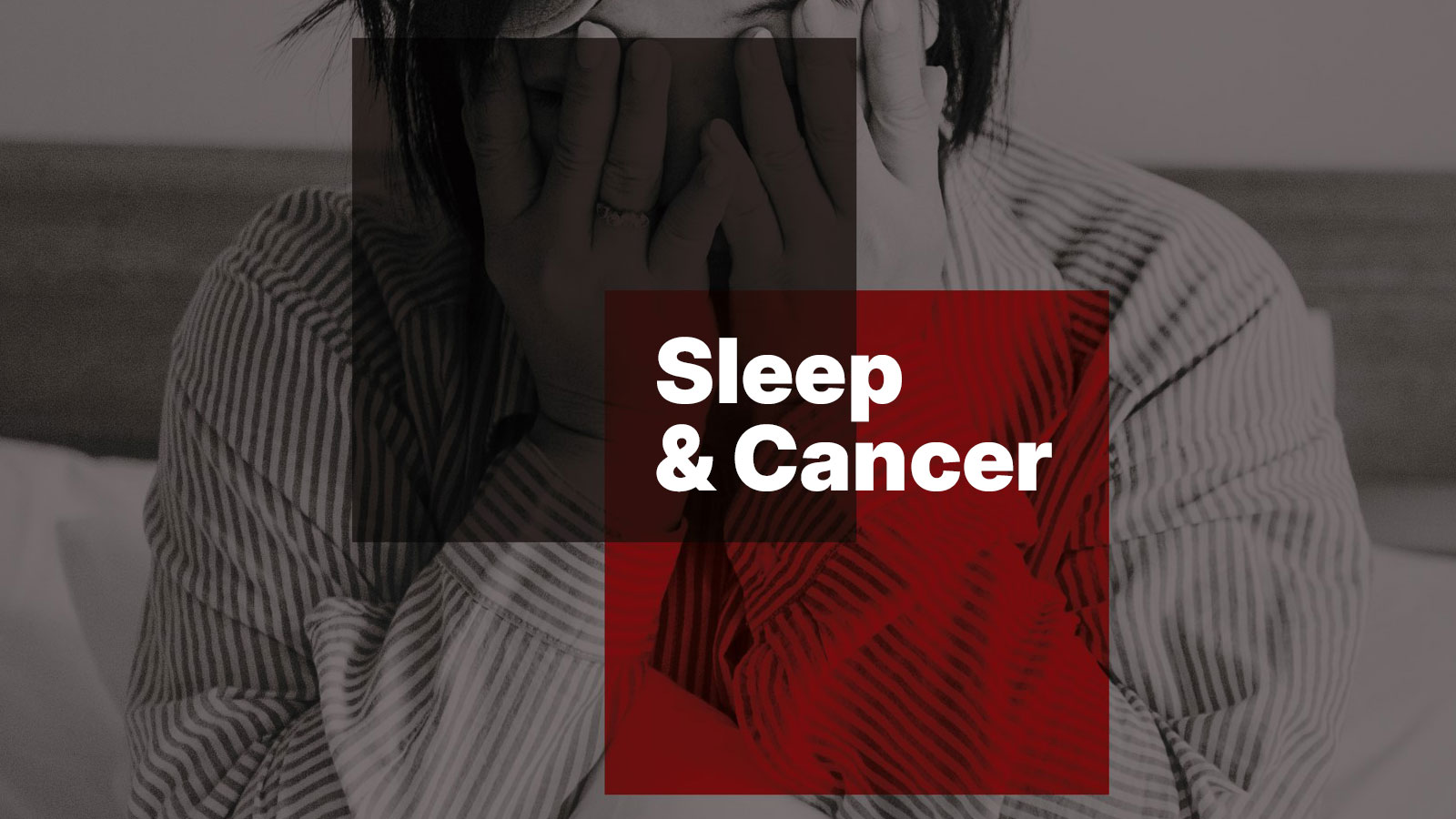
Sleep & Cancer: Why Rest Matters More Than You Think?
Difficulty sleeping and disturbed sleep patterns are not uncommon among cancer patients, and alleviating these symptoms has always been integral to good cancer care. Now, mounting evidence of the impact that getting enough deep sleep can have on outcomes in…
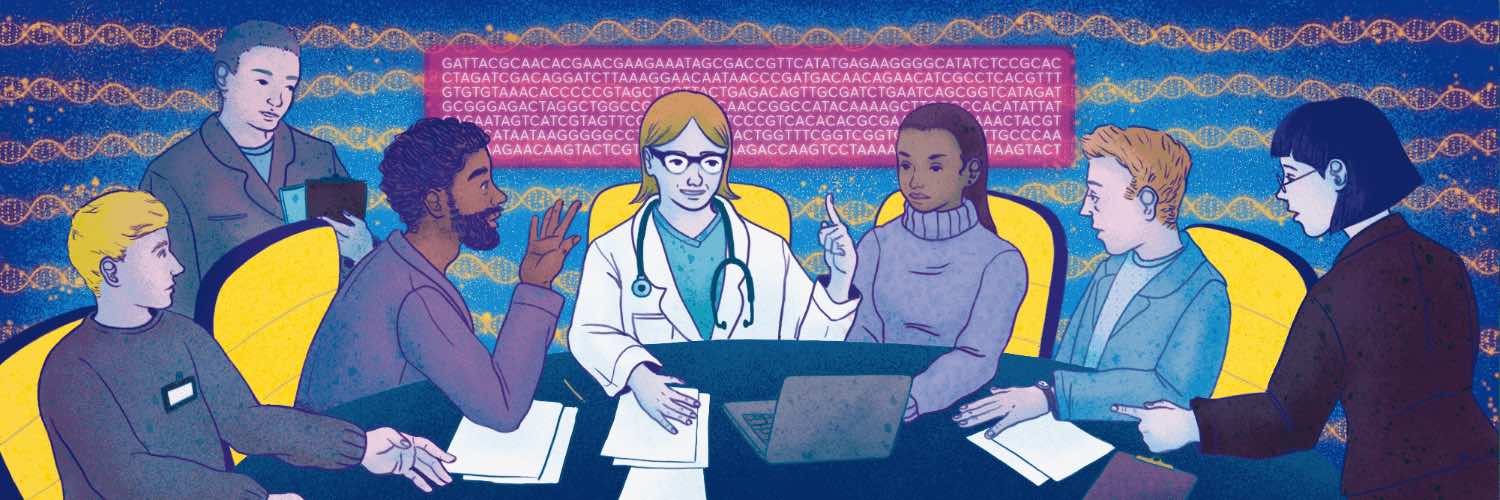
Molecular tumour boards: translating data into tailored therapeutics
Developments in molecular diagnostics are allowing us to capture an extraordinarily detailed picture of the genomic and other molecular changes that characterise a given tumour specimen. But making best use of the information at our disposal is proving quite a…

Sri Lanka cancer care hit by foreign currency crisis
A shortage of essential cancer drugs caused by financial crisis is threatening to dampen Sri Lanka’s success in treating cancer as part of a free health service. The country is facing its worst economic crisis since 1948, with huge foreign…
The sunshine hormone: the many wonders of vitamin D
Vitamin D has drawn much scientific interest and media coverage in recent years, and increasingly so in 2020, when a link was found between vitamin D deficiency and Covid-19. This is a very unusual vitamin, in that it behaves both…
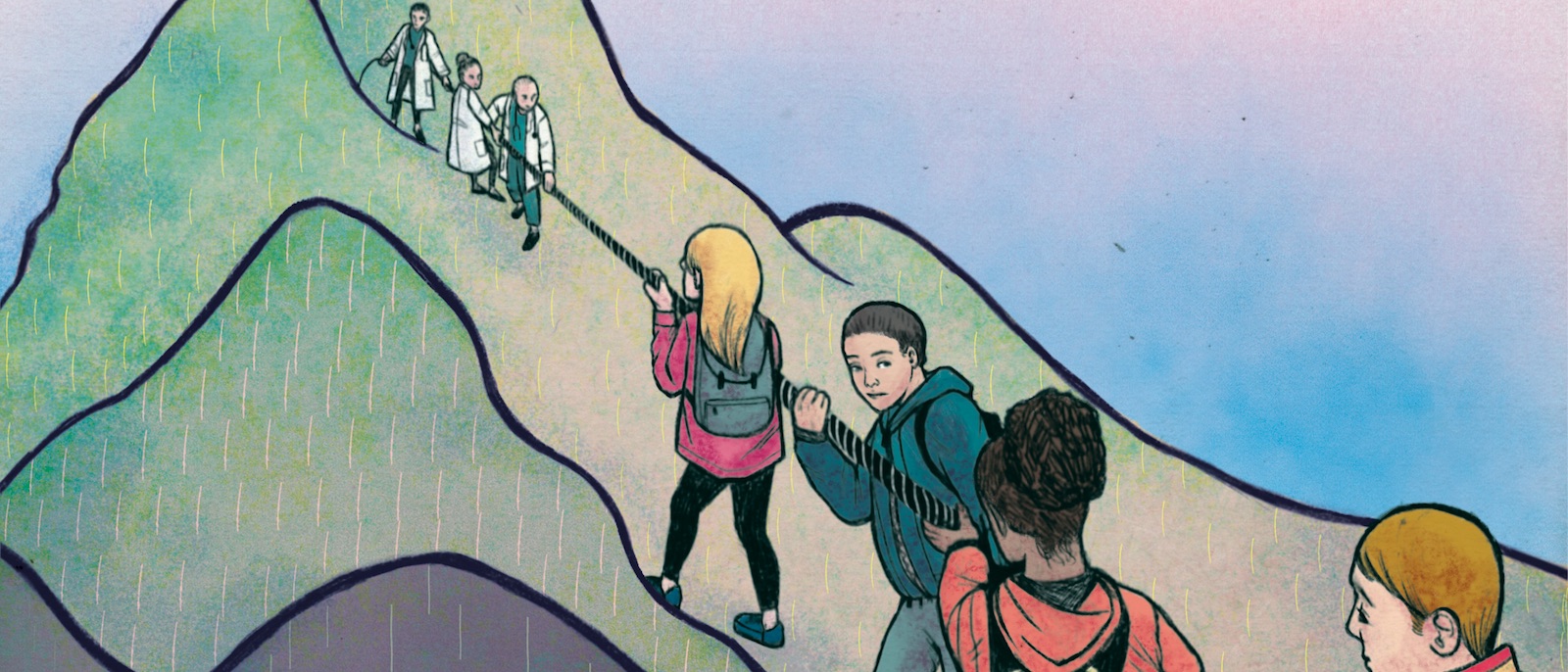
Guiding career paths from trainee doctor to oncology leader
“If you want to be an oncologist you have to go through some struggles. First become a medical doctor and then enter a residents’ training in internal medicine and then medical oncology. If you want to do more, you have…