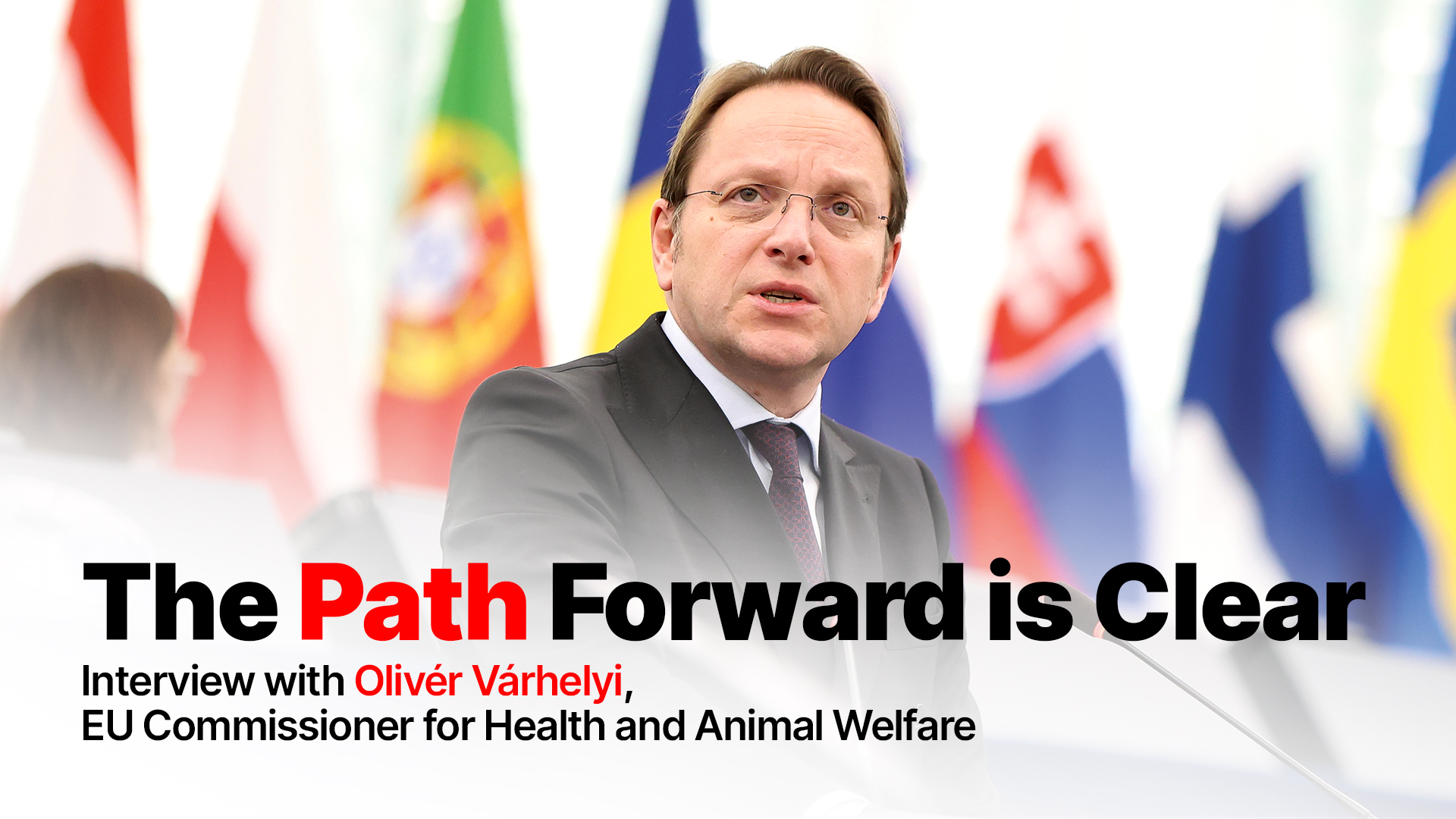
Interview with Olivér Várhelyi, EU Commissioner for Health and Animal Welfare
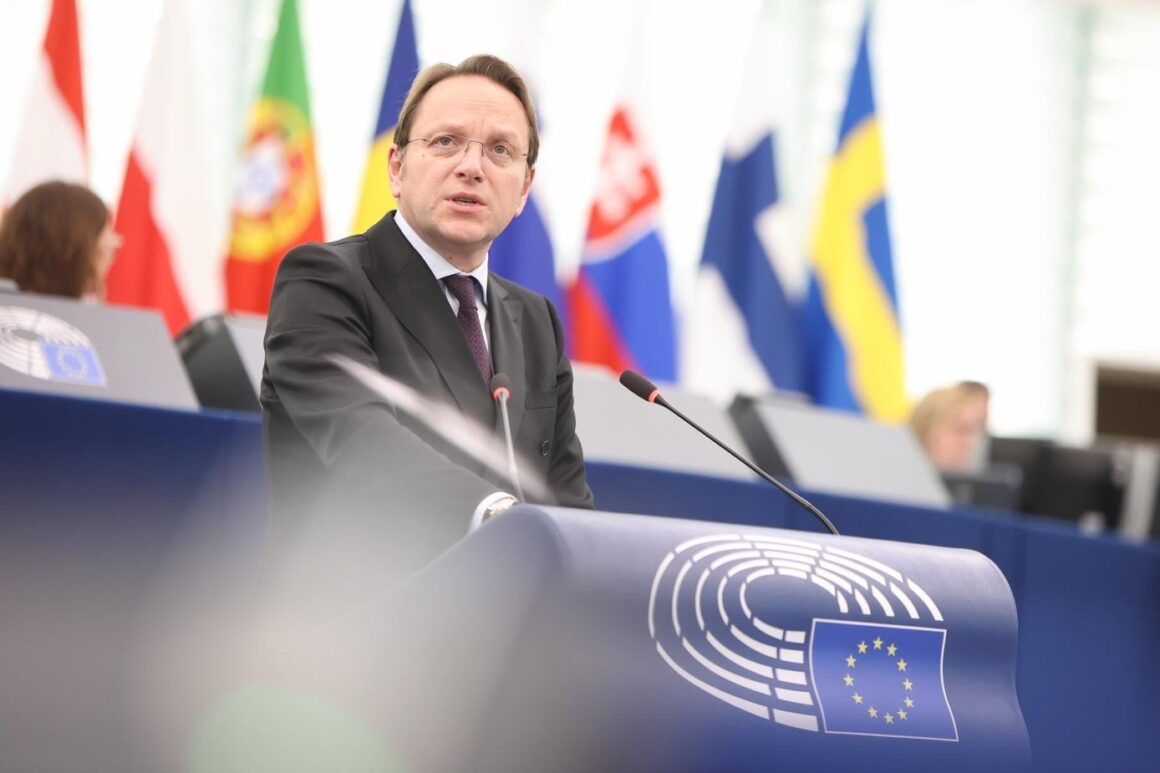
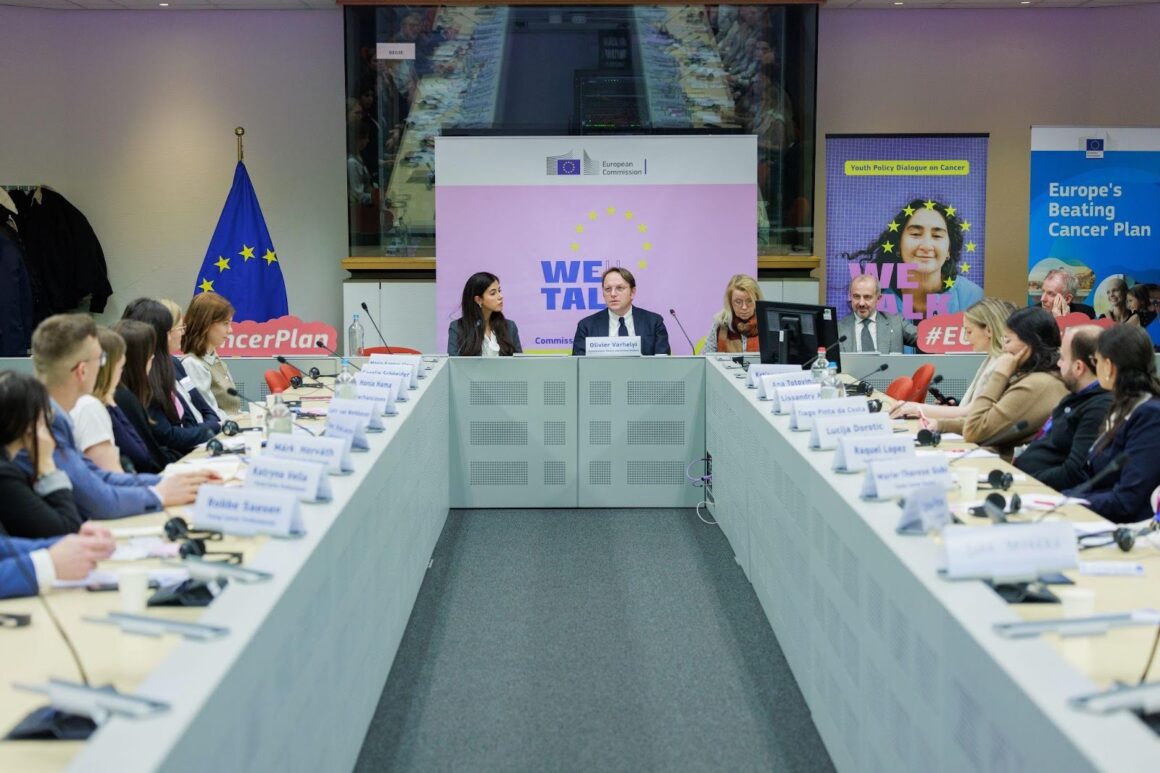
Image Credits: European Union 2025 – Source: European Parliament
Cancer remains one of Europe’s most significant public health challenges, with incidence rising and inequalities in prevention, diagnosis, and care persisting across Member States. On World Cancer Day, attention turns to how policy responses are evolving to address these pressures. In this exclusive interview, Olivér Várhelyi, European Commissioner for Health and Animal Welfare, outlines the current direction of EU cancer policy, highlights progress under Europe’s Beating Cancer Plan, and sets out priorities for strengthening prevention, improving access to care, and reducing disparities across Europe.
Cancer is a Key Priority – Both For Me and the Commission
Yeva Margaryan: Since the start of your health mandate, how have your priorities on cancer evolved, and what has most shaped your understanding of the scale and urgency of the cancer challenge in Europe?
Olivér Várhelyi: Cancer is a key priority – both for me and the Commission as a whole, as it remains one of the most important public health challenges in Europe. This is reflected in my mission letter, which calls to continue implementing Europe’s Beating Cancer Plan. This is why we conducted and published a comprehensive review of the Plan a year ago. It confirmed we should focus on implementing and sustaining the actions included in it. Therefore, the path forward is clear.
Despite some improvements, there are roughly 2.7 million new cancer cases diagnosed every year in the EU alone, with around 1.3 million deaths annually, making it the second leading cause of mortality in the EU, just behind cardiovascular diseases. Since 2000, new cancer cases have surged by about 30%, and this trend is expected to grow, with estimates predicting half a million new cases by 2040. Moreover, significant geographical and socioeconomic disparities in cancer burden persist. This requires urgent actions to close these gaps across the EU.
Yeva Margaryan: World Cancer Day is also a moment to take stock. Which achievements in EU cancer policy over the past one to two years are you most proud of, and why do you believe they matter for patients and families across Europe?
Olivér Várhelyi: We have plenty of success stories under the Cancer Plan. Let me give a few examples, but bear in mind that there are many more actions and initiatives that have had a real impact, improving the lives of cancer patients and those around them.
This World Cancer Day, I am proud to announce the launch of the European Code Against Cancer in all EU languages. This unique tool can empower EU citizens to take control of their own health and make informed decisions to reduce their cancer risk. Backed by solid scientific evidence, it is the work of over 60 experts from across Europe, making reliable cancer prevention information accessible to all.
Another success story is the launch of the European Network of Comprehensive Cancer Centres last November. It was officially launched as a part of the EU Joint Action EUnetCCC, which brings together 163 partners in 31 countries, including all EU Member States. This network will link 100 high-standard cancer centres across the EU, which will collaborate to reduce cancer inequalities, share best practices, and provide better access to clinical trials and innovation. It aims to provide 90% of eligible cancer patients in the Union with access to high-quality cancer care by 2030.
Last, the development of the European Commission Initiatives on cancer screening and treatment is worth mentioning. They serve as an umbrella for the development of two key products: evidence-based European guidelines on primary prevention, screening, and diagnosis; and quality assurance schemes for healthcare services along the entire care pathway. Initially, covering breast, colorectal, and cervical cancer, we have extended this work now to lung, prostate, and gastric cancer. As such, we cover cancers that are jointly responsible for more than half of all cancer cases and related deaths in the EU. These products follow a patient-centred approach and have a direct impact on the quality of cancer screening and care, as well as on reducing inequalities across Europe.
Europe’s Beating Cancer Plan
Yeva Margaryan: Europe’s Beating Cancer Plan raised expectations across the cancer community. Where does the Commission now see the clearest progress since its launch, and what elements have delivered more impact than initially anticipated?
Olivér Várhelyi: As mentioned, we have delivered in the areas of early detection, diagnosis, and treatment, in line with the European guidelines and quality assurance schemes.
In cancer screening, I think it is fair to say that the impact of our work has been even bigger than expected. With the 2022 Council Recommendation on cancer screening, we now have comprehensive guidance for Member States on how to improve access to and quality of their screening programmes, based on the latest available scientific evidence.
Following the adoption of the Recommendation, we have been able to mobilise substantial funding in this area, for example, through the EU4Health Programme and Horizon Europe. The response from Member States and the wider stakeholder community to these funding opportunities was overwhelmingly positive, and we have seen some substantial progress. This includes piloting lung, prostate, and gastric cancer screenings, as proposed in the Recommendation. Additionally, we have seen many Member States align their screening protocols with those indicated in the Recommendation. This is a voluntary mechanism, and nonetheless, it has been able to spark change across many countries.
We also made progress in understanding and addressing cancer inequalities, one of the horizontal objectives of the Cancer Plan. With the establishment of the European Cancer Inequalities Registry, we now have a regular reporting mechanism that helps us monitor and analyse progress in cancer prevention and care across the EU. Through its Data tool, Country Cancer Profiles, and EU Analytical Reports, this initiative highlights disparities and areas for action to guide investments at the EU, national, and regional levels. Member States have already communicated the importance and usefulness of the initiative to identify national priorities, discuss country performance, or engage with patient advocacy groups.
Inequalities, Infrastructure, and the Limits of Progress
Yeva Margaryan: Cancer policy remains uneven across EU Member States. Where has the Commission encountered the greatest challenges or slower progress in implementing cancer-related initiatives, and what lessons are shaping the next phase of action?
Olivér Várhelyi: The progress across Member States depends on various factors such as differences in national health systems and infrastructures, as well as financial capacities.
For example, in the establishment of the EU Network of Comprehensive Cancer Centres, we initially faced challenges in bringing together diverse stakeholders and certification schemes. However, the aspiration of creating EUnetCCC has had a very motivating effect on all Member States to establish comprehensive cancer centres, irrespective of their current situation. We are now seeing Member States more advanced in this area, supporting others in this effort.
Through collaborative efforts with key organisations, we have been able to find solutions and move forward with the network, with a view to linking 100 high-standard cancer centres across the EU. This experience has taught us the importance of flexibility and cooperation in overcoming these hurdles, and we are applying these lessons to shape the next phase of our cancer policy. To cut it short: inequalities across the entire cancer care pathway persist, and much work is still required.
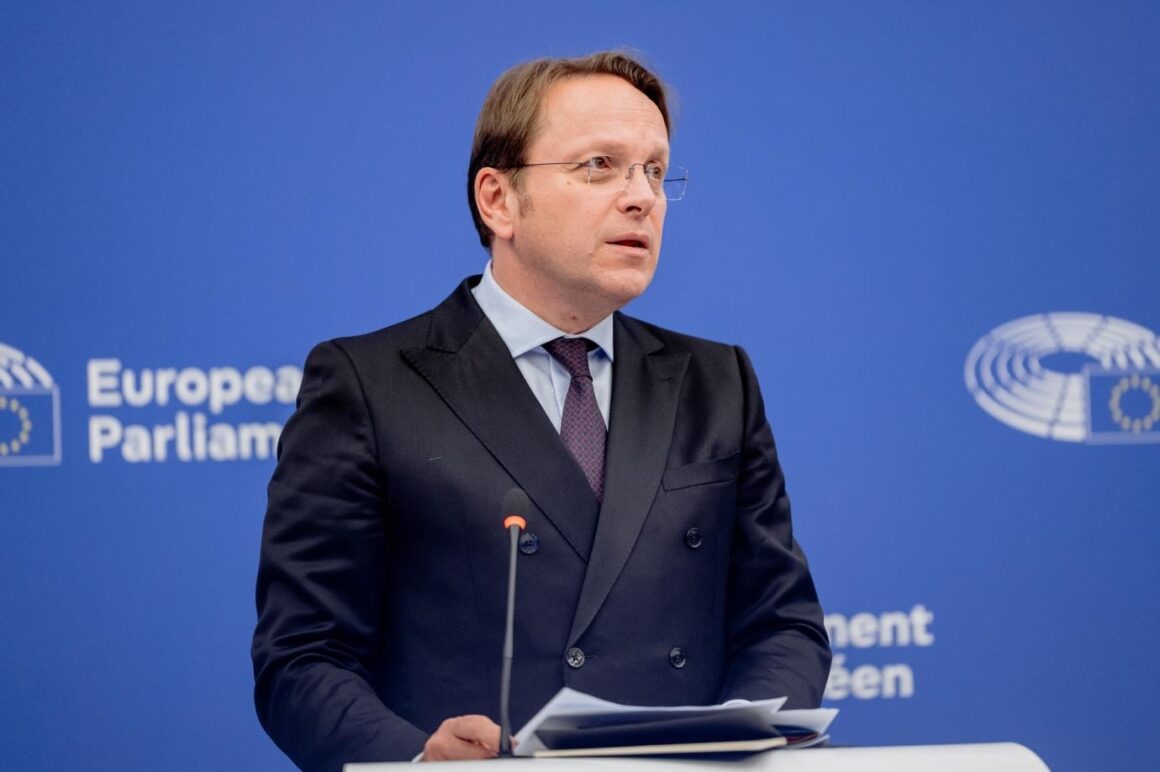
Image Credits: European Union 2025 – Source: European Parliament
Prevention First
Yeva Margaryan: Prevention is central to reducing the cancer burden, particularly for future generations. What concrete steps has the Commission taken to strengthen cancer prevention, and where do you believe the EU prevention policy still needs to be more ambitious?
Olivér Várhelyi: To strengthen cancer prevention, the Commission has taken concrete steps, like the launch of the fifth edition of the European Code against Cancer in all the EU languages on World Cancer Day. This valuable resource provides individuals with evidence-based prevention strategies, enhancing health literacy and empowering them to reduce their cancer risk. Given that 40% of all cancers are preventable, I believe the EU prevention policy still needs to be more ambitious in achieving the widespread adoption of the Code’s recommendations. By doing so, we can ensure that all Europeans have access to effective prevention strategies and reduce the cancer burden for future generations.
Looking ahead, a major task for this year will also be the evaluation and revision of the tobacco legislation, for which stronger tobacco and nicotine control measures on both product regulation and advertisement are envisioned.
Cancer Plan as a Blueprint for the Safe Hearts Plan
Yeva Margaryan: The Safe Hearts Plan introduces a structured, lifecycle approach to prevention, early detection, treatment, and long-term care. Do you see this as a blueprint for a future, more integrated EU cancer framework? If so, which elements could realistically be replicated?
Olivér Várhelyi: In fact, the Cancer Plan has served as a blueprint for the Safe Hearts Plan, not vice versa. The Safe Hearts Plan has been modelled on the comprehensive approach of the Cancer Plan, which is one of its main factors of success. It takes the same approach of covering the entire care pathway, from prevention and early detection, over diagnosis and treatment, to the quality of life of cancer patients and survivors.
The Safe Hearts Plan builds on the experience of the Cancer Plan and creates synergies by strengthening prevention and action on shared determinants: unhealthy diets, physical inactivity, harmful alcohol consumption, and tobacco and nicotine use.
It also addresses health inequalities through a cardiovascular health inequalities dashboard, modelled on the Cancer Inequalities Registry and supporting more consistent care, for better outcomes across regions and population groups.
Innovation, Regulation, and the December Health Package
Yeva Margaryan: The December Health Package emphasises prevention, innovation, and resilient health systems. How does the Commission see this package supporting the next stage of Europe’s fight against cancer, and what tangible benefits should stakeholders expect?
Olivér Várhelyi: In addition to the above Safe Hearts Plan, the December Health Package includes the Biotech Act and the revision of Medical Devices Regulations, and reflects our strong commitment towards improving cancer prevention and treatment.
The Biotech Act will simplify the regulatory environment and facilitate funding and investment for health biotech companies. We expect it to boost cancer-related innovation and bio-manufacturing, from precision diagnostics to advanced therapeutic medicinal products (ATMPs) and immunotherapies.
The proposal to revise the Regulations on Medical Devices aims to simplify and further harmonise the relevant legal framework, so that we continue to ensure a high level of patient safety, while unlocking innovation for life-saving technologies. This is extremely valuable for modern oncology, as medical devices and in-vitro diagnostics increasingly allow for early prevention, accurate diagnosis, and effective treatments of cancer, improved survival, and better quality of life.
Moreover, the reform of the EU pharmaceutical legislation, complemented by the Critical Medicines Act, provides tools and incentives to support the development, access, and affordability of new therapies.
Solidarity, Hope and Determination
Yeva Margaryan: On World Cancer Day, what message would you like to share with people affected by cancer, and what personal priority will guide your work as Commissioner in the years ahead?
Olivér Várhelyi: On World Cancer Day, my message to everyone affected by cancer, patients, survivors, and families, is one of solidarity, hope, and determination. I know that millions of people across Europe are battling the disease and that it requires great courage, strength, and resilience to get through this. I also want to acknowledge the healthcare professionals, carers, and researchers who work tirelessly every day to tackle cancer and to save and improve lives.
As the Commissioner responsible for Health, my priority in the years ahead will be to ensure we fulfil the Cancer Plan’s full potential and turn the shared knowledge and innovation across Europe into real, tangible outcomes for people. This means strengthening prevention and early detection and reducing inequalities, so that the chance of surviving cancer does not depend on geography or income. It also means strengthening Europe’s strategic autonomy in the healthcare sector, accelerating research, supporting innovation, and boosting investment. It’s essential, so that we have a strong, thriving, and competitive sector that can deliver cutting-edge treatments for cancer patients across our Union. We have taken important steps in this direction in my first year in office, and I will remain laser-focused on this goal for the rest of the mandate.
What Success Looks Like by the End of the Mandate
Yeva Margaryan: By the end of this Commission’s mandate, what outcomes would convince you, and Europe’s cancer community, that the EU action has genuinely moved the needle on cancer prevention, care, and survival?
Olivér Várhelyi: By the end of this Commission’s mandate, I would consider our efforts a success, if we see a significant reduction in cancer cases and improved treatment outcomes across Europe.
Specifically, I would like to see a wide reach and impact of the European Code Against Cancer, with more people taking steps to reduce their own cancer risk.
For cancer screening, the Cancer Plan has the objective to ensure that 90% of eligible citizens have access to organised screening programmes for breast, cervical, and colorectal cancer. Any progress here would be an important success too. Access is the first essential step, and it is still uneven across Europe, as not all countries have implemented these priority screening programmes yet in an organised and population-based manner. Once these programmes are in place and running well, countries should start implementing new programmes for lung, prostate, and gastric cancer screening, based on the research and pilot studies we have supported with EU funding, as well as the guidelines and quality assurance mechanisms we are developing.
Beyond access, it would of course also be great to see the number of people participating in these screenings rise, as participation rates still vary significantly across Member States. Concerted efforts like the Joint Action EUCanScreen, which brings together 29 countries supported with EUR 31 million of EU funding, not only aim towards increased access and participation in cancer screening, but also greater equality across the EU.
Additionally, I expect the EU Network of Comprehensive Cancer Centres to be fully established then, providing access to high-quality care for millions of Europeans. If we can achieve these goals, it will be a clear sign that our work is making a real difference in the fight against cancer.
Conclusion
The path forward is clear, anchored in the decision to keep cancer at the centre of EU health policy. This continuity reflects a sustained commitment to prevention, care, and long-term action at a time of growing need. The measure of this commitment will ultimately be written in outcomes, and there is a reason for hope.