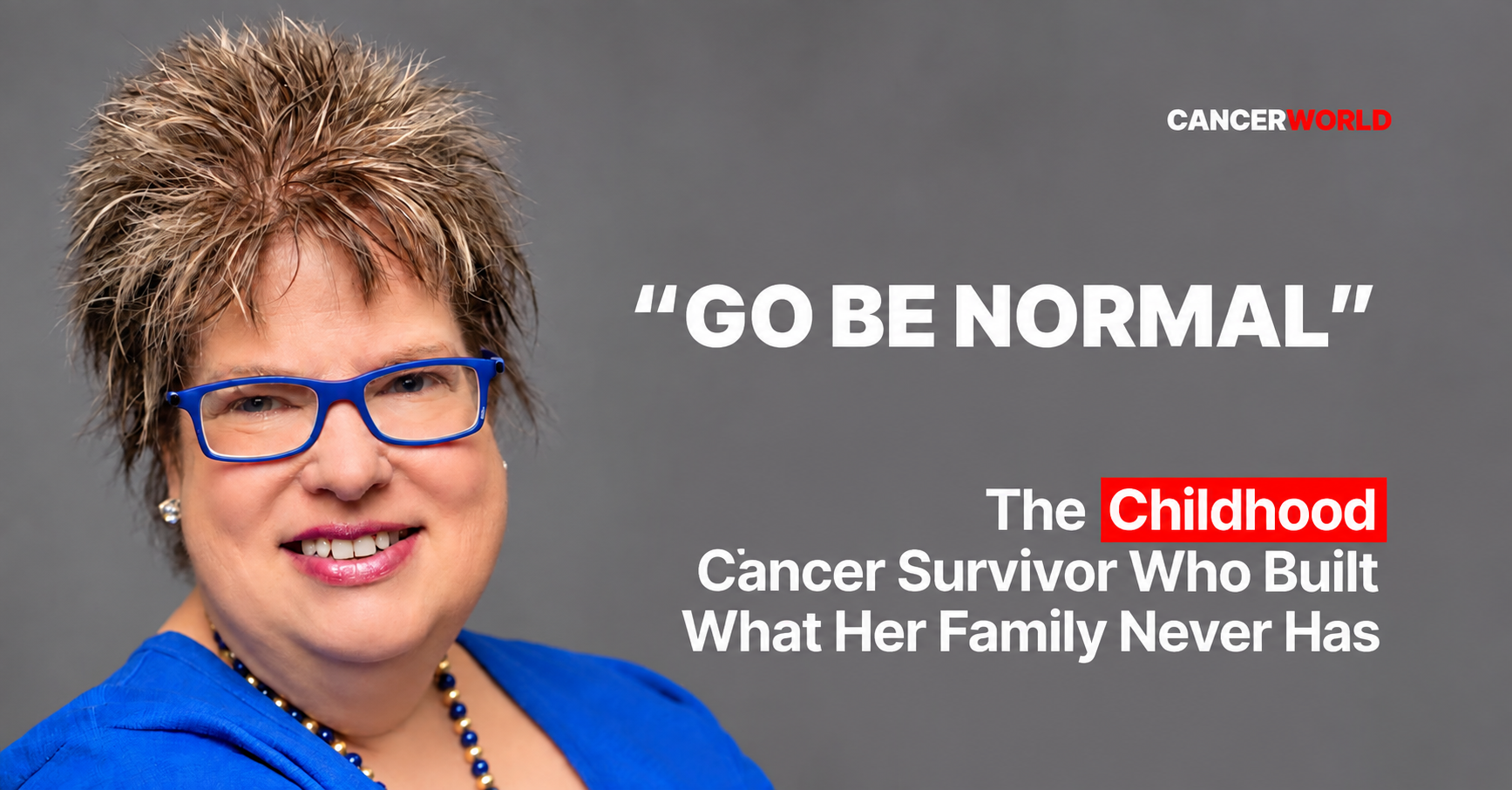
When Brett Wilson finished cancer treatment at the age of 12, a hospital nurse walked outside with her and her mother and offered three words of advice:
“Go be normal.”
Wilson looked at her mother.
“What does that mean? Go be normal. I’ve been in a hospital for eight years. I have no friends. I have no communication skills with anybody else.”
She had survived what statistically she was never expected to survive. But neither she nor her mother had been given a roadmap for what came next.
That moment would eventually become a promise: “One day I’m going to create a center to help other families like ours so they don’t go through the journey the way we did.”
In 2012, she incorporated the Walking Miracles Family Foundation, named after what her grandmother had called her following her first cancer diagnosis: a “walking miracle.”
After spending eight years of her childhood in hospitals, Wilson turned decades of survivorship, late effects and isolation into a mission to help children, adolescents and young adults navigate what cancer care too often leaves unseen.
A Childhood Cancer Took Away
Wilson was just 22 months old when she was diagnosed with leukemia in 1974. Growing up in rural West Virginia, her family had few resources, little information and no guidance about what cancer treatment or survival might mean.
Across two cancers, she would spend a total of eight years in hospital.
“I missed my whole childhood,” she says. She had few friends, was bullied, gained weight because of treatment and prednisone, and lost her hair three times. She remembers feeling like “one of the toys on the island of toys”—separated from other children because others saw her as broken.
“This is nothing I asked for,” she says.
Doctors initially gave her a year to live. She survived, only to develop non-Hodgkin lymphoma at nine. The disease wrapped around her throat, and complications around anesthesia led to her dying twice.
“I survived something that I wasn’t supposed to,” Wilson says. “If you look at the statistical anomaly of my life, I’m not supposed to be here.”
Today, she is more than five decades from her first diagnosis and more than four decades from her second. Her faith has been central to how she understands that survival.
“It just makes me thankful that I’m still able to get up, put two feet on the ground and I’m still here.”
But survival came with consequences no one had prepared her for. Decades later, Wilson developed serious cardiovascular late effects, including heart failure and aortic stenosis, alongside lasting effects from the intensive cranial radiation she received as a child.
She had survived cancer. Now she had to understand what survival meant.
Building What Was Missing
Wilson’s experience taught her that medicine can save a life while still missing much of what determines whether someone can live that life afterward.
One of the first problems she addressed was intensely practical: distance.
For families in rural West Virginia, reaching major treatment centres can mean driving two or three hours each way, sometimes several times a week.
“No one has that kind of money to keep going two and three days a week,” Wilson says.
Travel assistance became the first program she developed. It eventually expanded across all 55 counties of West Virginia, with her work later extending into Pittsburgh.
But Wilson wanted to address more than logistics. She earned a degree in counselling from Marshall University in 1998 because, she says, “I wanted to counsel cancer patients.”
At a time when counselling was not yet embedded in cancer care as it is today, she sought guidance from psycho-oncology pioneer Dr Jimmie Holland at Memorial Sloan Kettering. Holland encouraged her to build a “spoke and wheel” model: Wilson could not meet every need herself, but she could become a central point connecting people with the services they needed.
Training through the Harold P. Freeman Patient Navigation Institute later helped her turn lived experience into navigation—connecting families with resources, expertise and support that she and her mother had struggled to find.
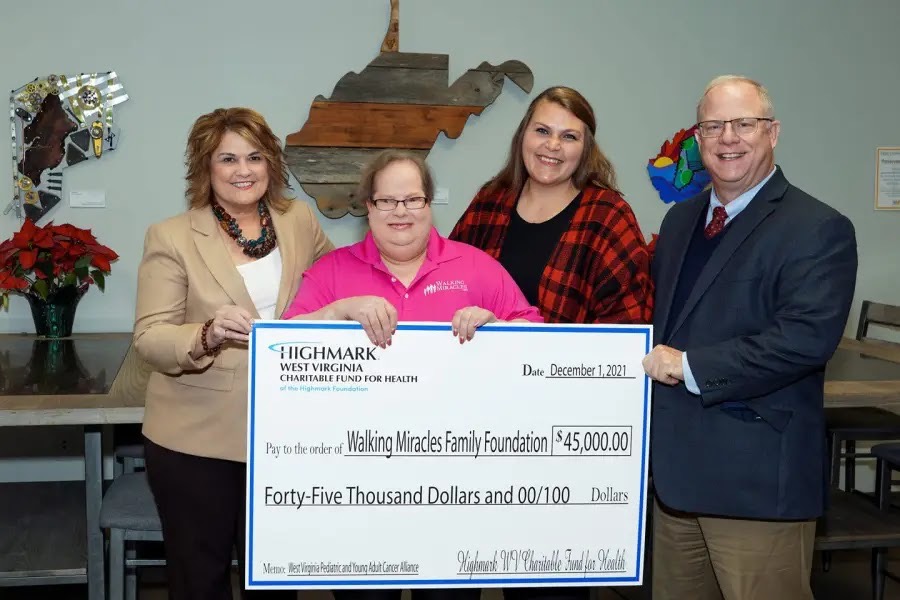
Walking Miracles Family Foundation in West Virginia
Seeing What Medicine Can Miss
Wilson remains frustrated that lived experience is still not always recognised as expertise within survivorship care.
“Professionally, people don’t look at me as an equal because I don’t have an M.D. by my name or I’m not a nurse,” she says. “But yet I’ve got lived experience of more decades than they have ever had to learn all of this stuff.”
For Wilson, failing to recognise that experience is ultimately a disservice to families.
She remembers one young patient from West Virginia preparing to travel to Ohio for a bone marrow transplant. Clinicians saw depression. Wilson asked her why she was sad.
She had never left West Virginia. Her disabled father could not accompany her. She knew nobody where she was going.
Wilson connected her with someone she trusted at the receiving hospital and promised to remain involved.
“Her attitude literally just changed,” Wilson recalls.
The young woman ultimately did not survive the transplant. But the encounter crystallised something Wilson had understood through her own life: emotional distress cannot always be separated from the practical realities surrounding treatment.
For Wilson, this is what medicine can still too easily miss: the person living inside the diagnosis.
The Unspoken Cost of Survival
For all the progress Wilson has witnessed since 1974, one gap remains painfully familiar.
“There still is not any education on the long-term side effects of cancer treatment,” she says.
Wilson distinguishes medical follow-up from genuine survivorship education. Her mother understood the importance of continuity long before formal survivorship plans became common. She kept calendars and notebooks recording appointments, treatment changes and what was happening to her daughter over time.
Yet even with those records, they did not know how to connect what had happened during childhood treatment with the health problems that could emerge decades later.
Wilson is now developing an extensive educational curriculum called “The Unspoken Cost of Cancer”.
The title captures something central to her experience: the cost of cancer is not only medical.
“Nobody sees the money, nobody sees the caregiver, the grandmother, everybody having to come together to fix the problem,” she says.
In rural communities, cancer can mean long journeys to treatment, cars worn down by repeated travel, childcare costs and entire families reorganising their lives around one person’s care. These are burdens Wilson believes remain too often invisible.
She is equally troubled by the tendency to diminish childhood cancer because it represents a comparatively small percentage of overall cancer diagnoses.
For Wilson, percentages can obscure what is actually being counted: children, families and futures.
If a child dies, she argues, a family has not simply lost one person. “You lost a whole heritage… There’s generations that are affected by this that nobody looks at.”
Survival Without a Map
Cancer has never become an easy identity for Wilson.
“I never wanted cancer to be part of my identity,” she says. “But yet, on the other hand, I can’t run from it and I’m not going to be embarrassed by it.”
Survival did not automatically end the isolation that began in childhood. Her history has affected friendships, relationships and even ordinary conversations. Yet she refuses to let that isolation stop her from helping others.
“It doesn’t stop me because I know that there are going to be other children, there’s going to be other mothers that are going to be treated the way that my family is.”
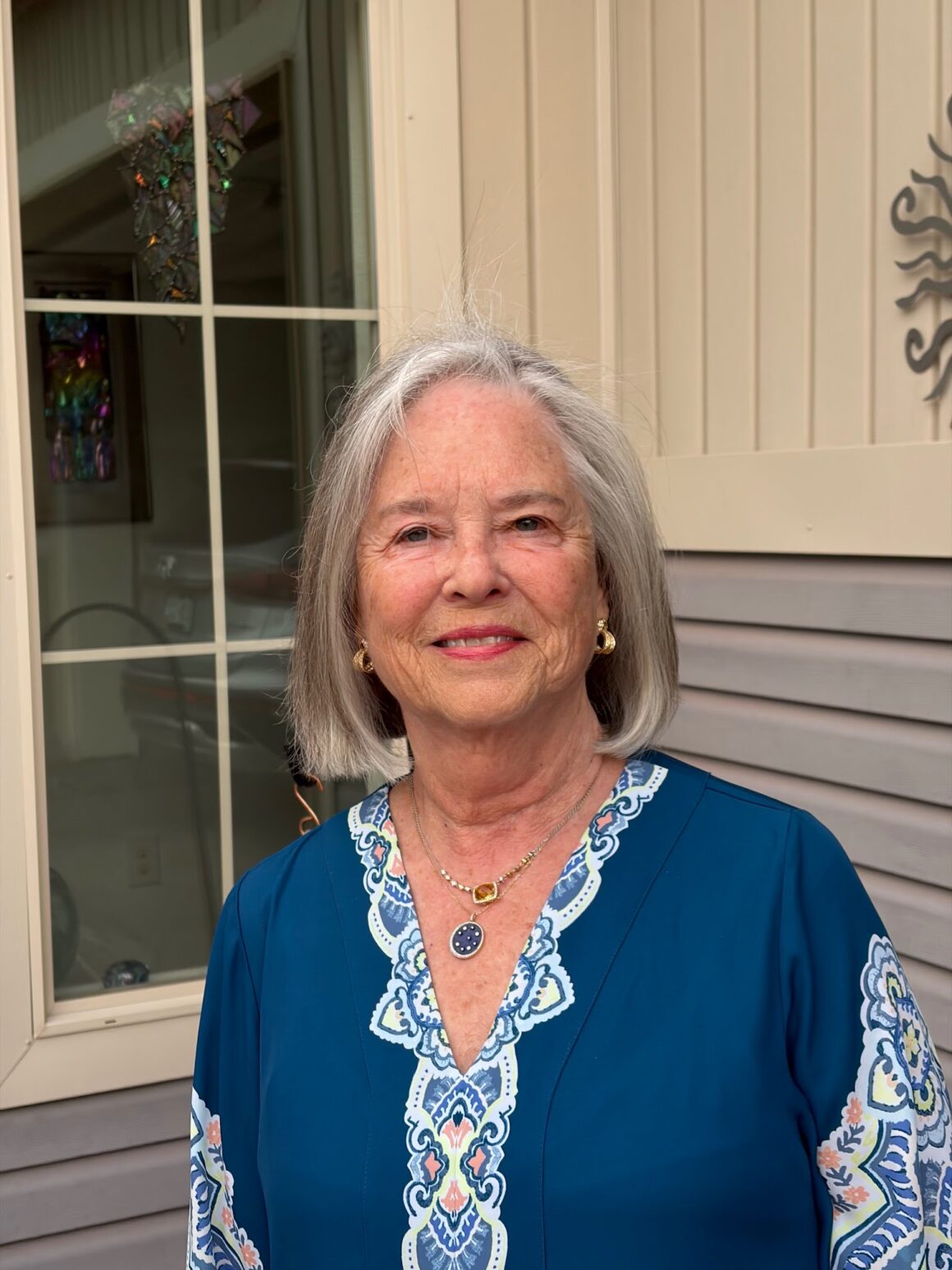
Janice Bowen – Brett’s Mother and Biggest Supporter
And throughout Wilson’s story, her mother remains an important presence.
She is now 80, but Wilson says she still wonders whether there were things she should have known or ways she could have helped her daughter differently.
“My mom’s 80. She still says, ‘I wish I had known. If I had known this, if I had known that…’”
That continuing sense of guilt helped shape Wilson’s educational work. Drawing on established medical information and her own lived experience, she has tried to translate survivorship knowledge into language families can understand—and into language that can ease the guilt, shame, fear and uncertainty parents may carry.
“Yes, mom, you’re doing everything right. Yes, mom. No, mom, you didn’t miss anything.”
A Purpose Born From Survival
Asked what the little girl she once was would understand if she could see her life today, Wilson’s answer comes back to purpose.
“That at one, it was my purpose. Two, that everything that I went through happened for a reason. And three, God made me strong enough that I could get through it so I could be the light of hope for somebody else going through it.”
Faith is deeply personal to Wilson, but the purpose she describes has taken a practical form: helping families find information, financial assistance, navigation and reassurance when cancer has made their world uncertain.
For 14 years, Wilson says, she has largely run Walking Miracles herself. Grants and public-health partnerships have helped sustain the organisation, but she has consistently directed resources toward the patients and families she set out to serve.
“I didn’t do what I’m doing for money,” she says. “I did it because my mom and I didn’t have any help. And I knew what it felt like to be helpless and to not have resources and to not have the answers that I needed to have so I could move on in my own personal life and my own personal journey.”
More than half a century after her first diagnosis, the connection between the little girl Wilson was and the work she does today is remarkably clear.
At 12, she left the hospital being told to “go be normal.”
Instead, she built what she and her mother had needed all along: someone to help families understand what comes next.
About the Author
Knarik Arakelyan, PhD, is a psychologist and communications professional with over 14 years of experience in public relations, health communication, and public awareness campaigns. She is currently the Managing Editor of “CancerWorld“ magazine, Chief of Staff of OncoDaily, Head of the “OncoDaily TV,” and serves as PR and Communications Officer at “EMERTÉ” Clinic.