The history of pediatric oncology is one of extraordinary progress. Children who once had little chance of surviving cancer are now growing into adulthood, building careers, raising families and imagining futures that previous generations could not.
But progress has also exposed the limits of survival as a measure of success. A child’s chances still depend too often on where they live and whether they can reach the care they need. Treatment may save a life while leaving late effects that surface decades later. And through it all , childhood continues—with its need for play, education, relationships and the freedom to become someone beyond a diagnosis.
The September issue of CancerWorld explores these realities through the people working to change them.
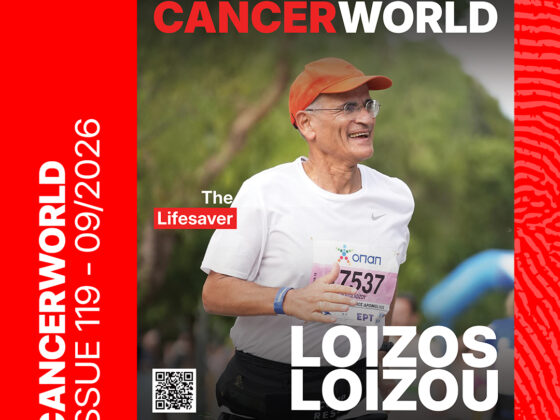
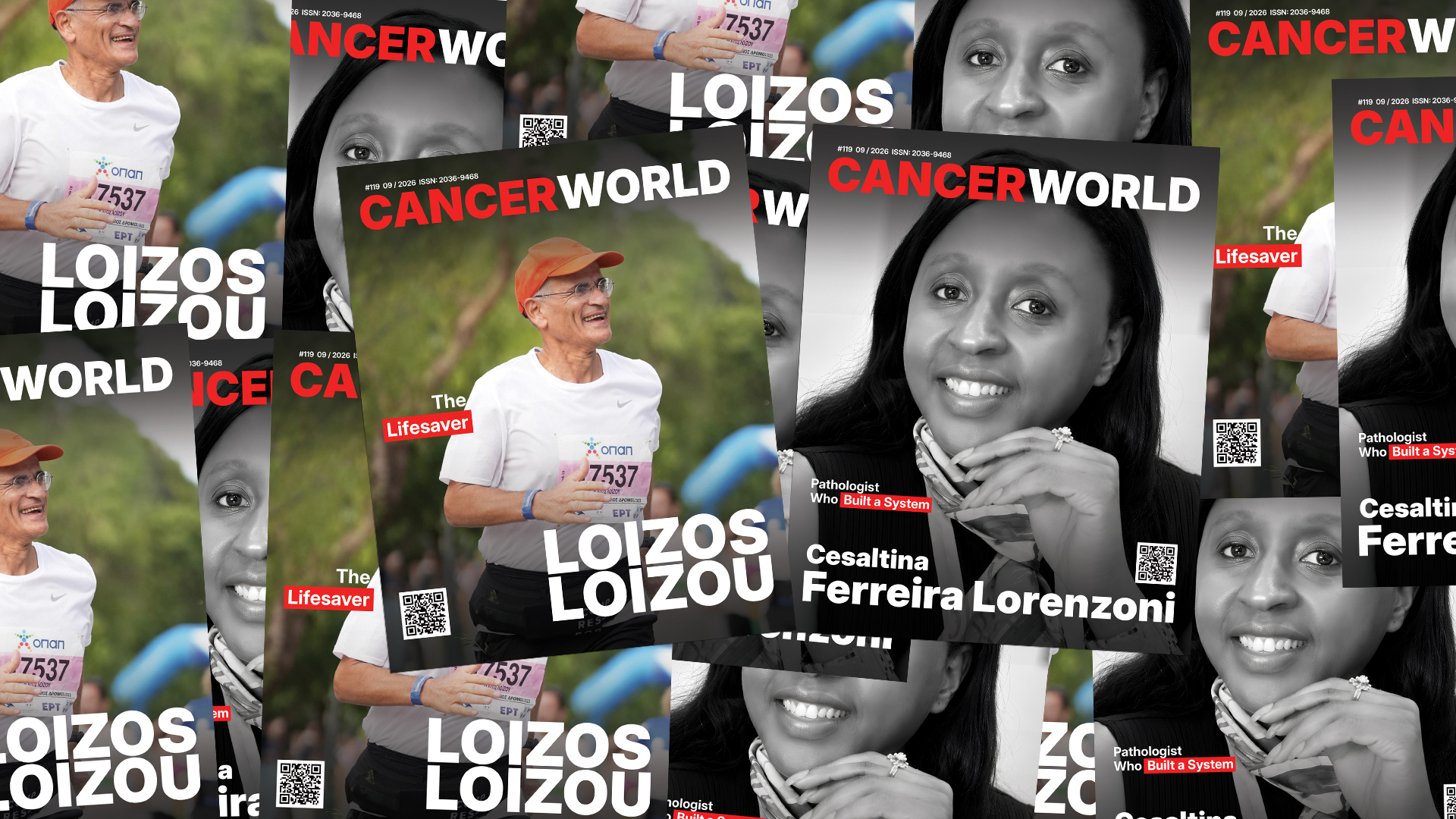
Our cover stories feature Prof Loizos Loizou, who helped build pediatric oncology in Cyprus and is now extending that experience to countries with limited resources, and Cesaltina Ferreira Lorenzoni, whose work in Mozambique has strengthened pathology, cancer registries and research while advancing African leadership in defining cancer priorities. Their stories show that sustainable progress depends on more than access to medicines — it requires institutions, expertise and partnerships that let countries to build their own capacity.
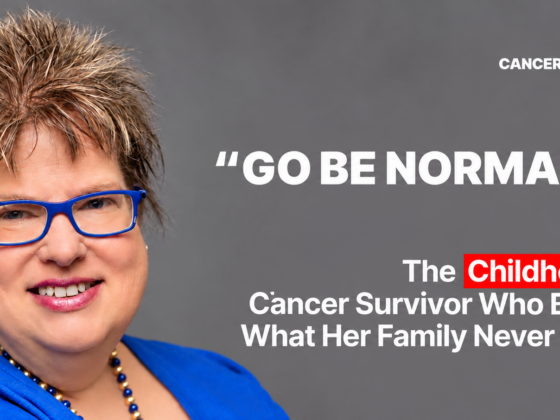
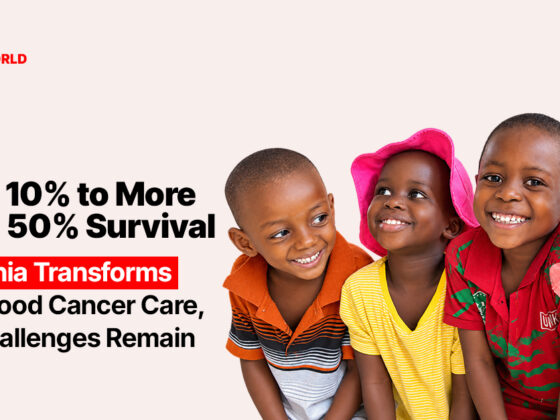
That principle is reflected in Victoria Forster’s account of Tanzania, where childhood cancer survival has risen from less than 10% to more than 50% among children reaching hospital, even as late diagnosis remains a major challenge. Janet Fricker examines research into chemotherapy-related DNA scars that may eventually help guide more precise treatment and reduce long-term toxicity. Brett Wilson’s story brings the consequences of treatment into human focus: after surviving two childhood cancers, she created the support she and her family never received.
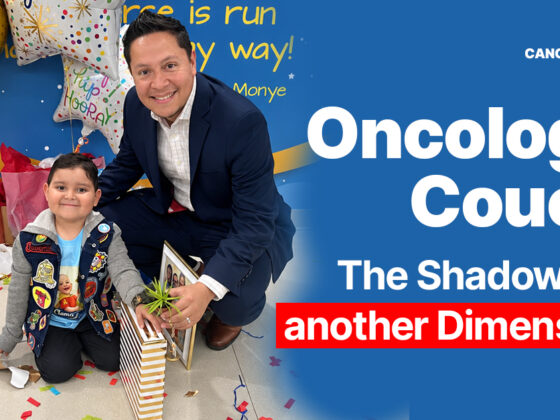
The issue also considers what it means to care for the person beyond the disease. Alisa Kamalyan explores storytelling as a way for survivors to share experience, reconnect and help others navigate cancer. Adrian Pogacian examines how family support, communication and education help preserve childhood and adolescence. In Oncology Couch, Aleksandra Filipović reflects on the lessons children offer medicine about listening, uncertainty and the human dimensions of care.
These stories do not diminish the importance of scientific progress. They broaden our understanding of what that progress must achieve. Better treatments, stronger systems and compassionate care are not separate ambitions. Together, they determine whether children can survive, recover and continue developing into the people they were becoming before cancer interrupted their lives.
The promise of pediatric oncology is not simply to add years to a child’s life, but to protect the possibility of a life that is still their own.
Read the full issue here.