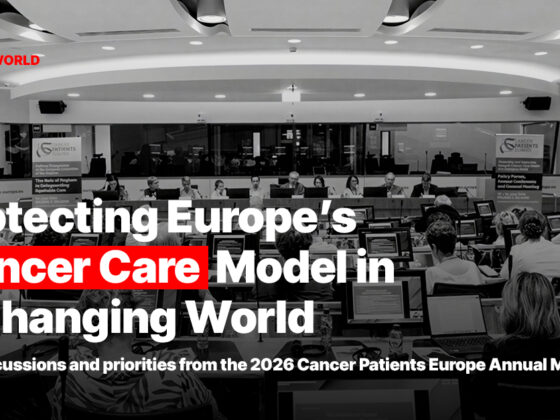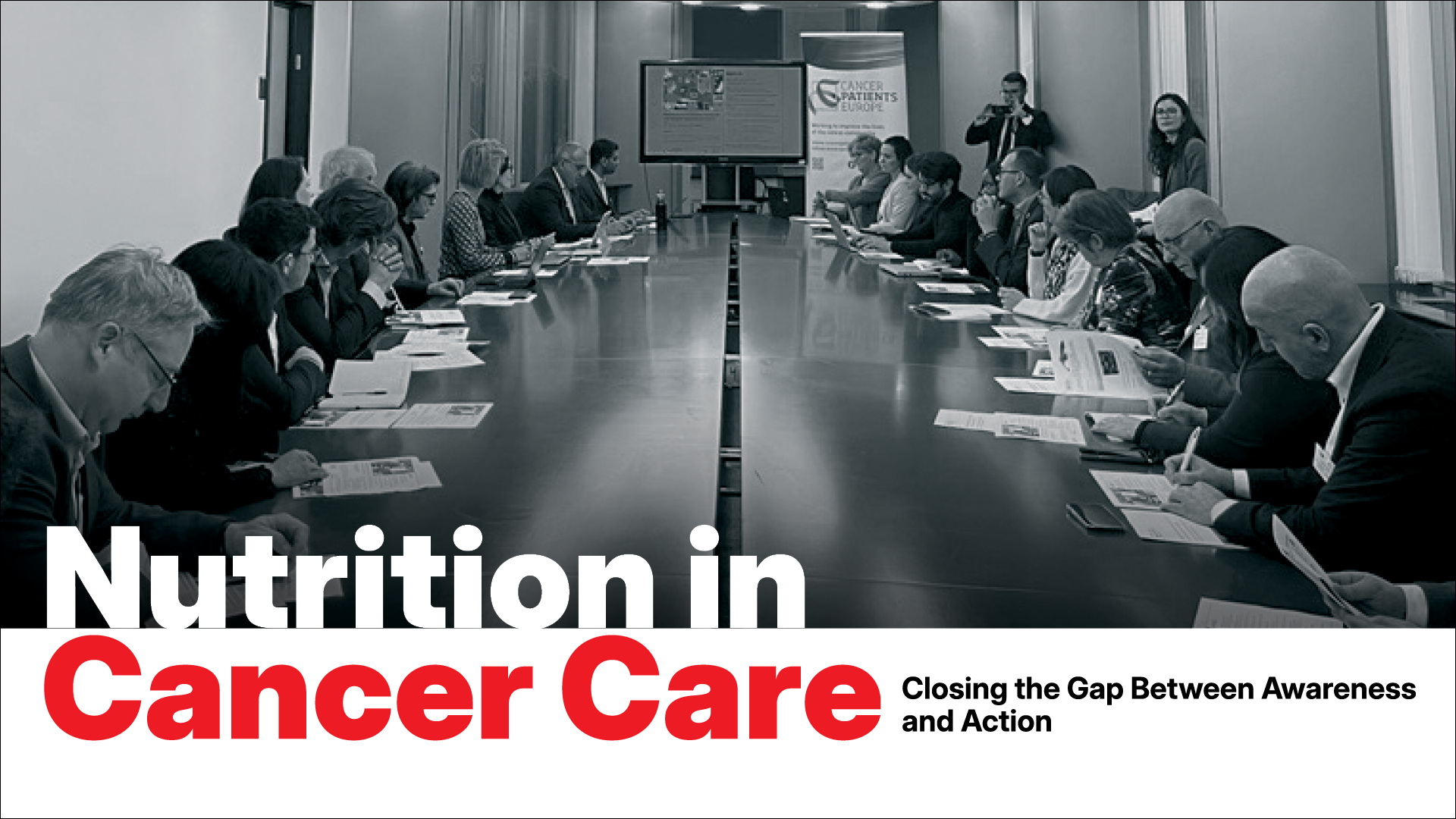
On 3 February 2025, on the eve of World Cancer Day, Cancer Patients Europe (CPE) hosted a high-level policy event at the European Parliament in Brussels, convened by MEP Michalis Hadjipantela (EPP, Cyprus). The occasion marked the official launch of CPE’s White Paper, Nutrition in Cancer Care: Closing the Gap Between Awareness and Action, grounded in the voices and experiences of more than 2,500 cancer patients across 12 European countries.
The findings were stark, the message urgent: nutrition is not a lifestyle choice. It is a clinical necessity, and European health systems are falling short of delivering it.
Why Nutrition and Why Now?
Cancer-related nutritional problems affect 1 in 3 cancer patients overall, and up to 80% of those at advanced stages of the disease. The consequences are not merely physical discomfort: malnutrition during cancer treatment leads to treatment interruptions, increased toxicity, poorer outcomes, and reduced survival. Yet, across Europe, nutritional care remains a low priority in most oncology care pathways.
CPE’s White Paper was designed to provide patient-reported evidence on the scale of this problem and to turn that evidence into action. The survey, conducted across Denmark, Finland, France, Germany, Italy, Norway, Poland, Portugal, Romania, Spain, Sweden, and the UK, posed 31 questions to more than 2,500 patients and survivors and was translated into 12 languages. The respondent profile—88% women, 75% aged 49–69, 60% with breast cancer, and 50% with advanced-stage disease—reflects both the limitations and the clinical relevance of the dataset.
A Persistent Gap Between Patient Needs and Care Delivery
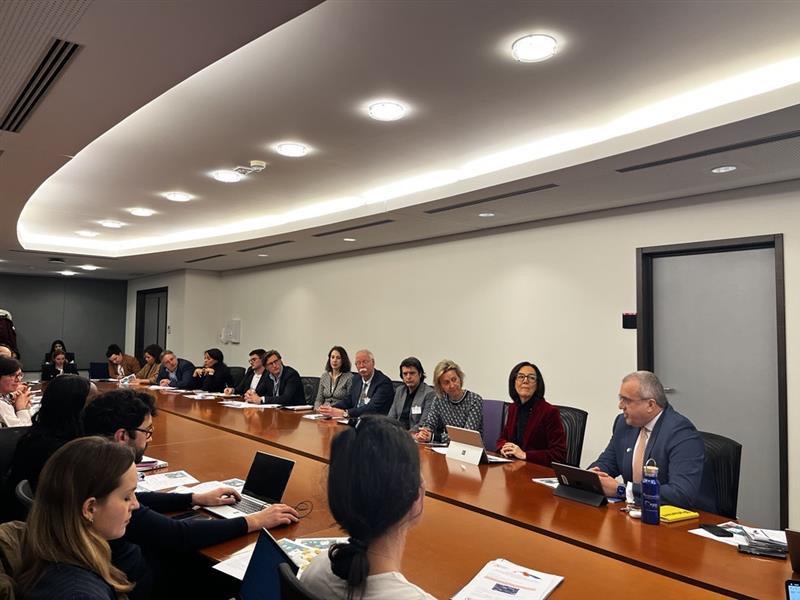
The survey results reveal a troubling disconnect—not between awareness and willingness, but between awareness and action at the system level. Patients know nutrition matters; healthcare systems are not responding accordingly. Opening the event, CPE CEO Antonella Cardone drew the line clearly: “They need nutrition to be treated as standard cancer care, everywhere in Europe.” The White Paper findings make the case for why that statement is not yet a reality.
Among the key data points:
- Despite 70% of patients knowing that nutrition can support cancer treatment, only 26% received guidance from a healthcare professional, and just 14% were monitored for nutritional status at any point since diagnosis.
- Only 1 in 5 patients underwent any form of nutritional assessment, despite fatigue (76%), nausea (39%), and loss of taste (38%) being widely reported as side effects affecting diet.
- Post-treatment support was particularly weak, with only around 20% receiving any nutritional guidance after active treatment ended.
- Over half of patients (52%) did not consider nutrition a key part of cancer care, citing insufficient funding (40%) and a lack of evidence-based guidance for clinicians (35%) as the main barriers.
The implication is not simply that patients are uninformed—they are not. It is that healthcare systems have not operationalised what patients already understand. As Figure 1 of the White Paper illustrates starkly, the gap is not one of patient awareness, but of institutional delivery.
Where You Live Determines the Care You Receive
The White Paper also exposes significant regional disparities in nutritional care across Europe—a finding that should concern policymakers deeply. Southern Europe (Portugal, Italy, France) and Eastern Europe (Romania, Poland) demonstrated more structured approaches: higher rates of nutritional testing, better access to dietitians, and a more positive quality of life impact from nutritional support. Northern Europe (Denmark, Sweden, Norway, Finland), by contrast, showed the lowest levels of integration—low information provision, limited funding, and weak follow-up. Western Europe (Germany, Spain, UK) presented mixed results, with notable variation between countries.
These disparities are not explained by differences in awareness or in the availability of clinical guidelines. Nutrition guidelines from leading medical societies exist across Europe. What is missing is consistent, funded, and monitored implementation. As the White Paper concludes, the result is a form of inequity that mirrors broader inequalities in cancer care: where a patient lives in Europe continues to shape their chances of recovery.
Clinical Expertise Reinforces the Patient Voice
The event at the European Parliament featured expert perspectives from Elisabeth De Waele (UZ Brussels), Dr. Jann Arends (Uniklinik Freiburg), and Jo Eksteen (KU Leuven), who reinforced the clinical case: cancer-related malnutrition is not a side effect to be managed after the fact, but a clinical issue requiring early screening and multidisciplinary intervention.
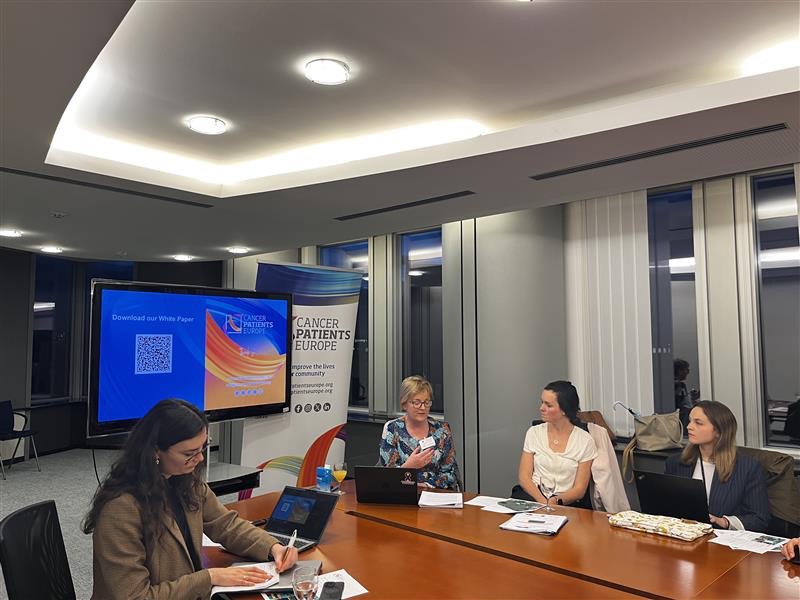
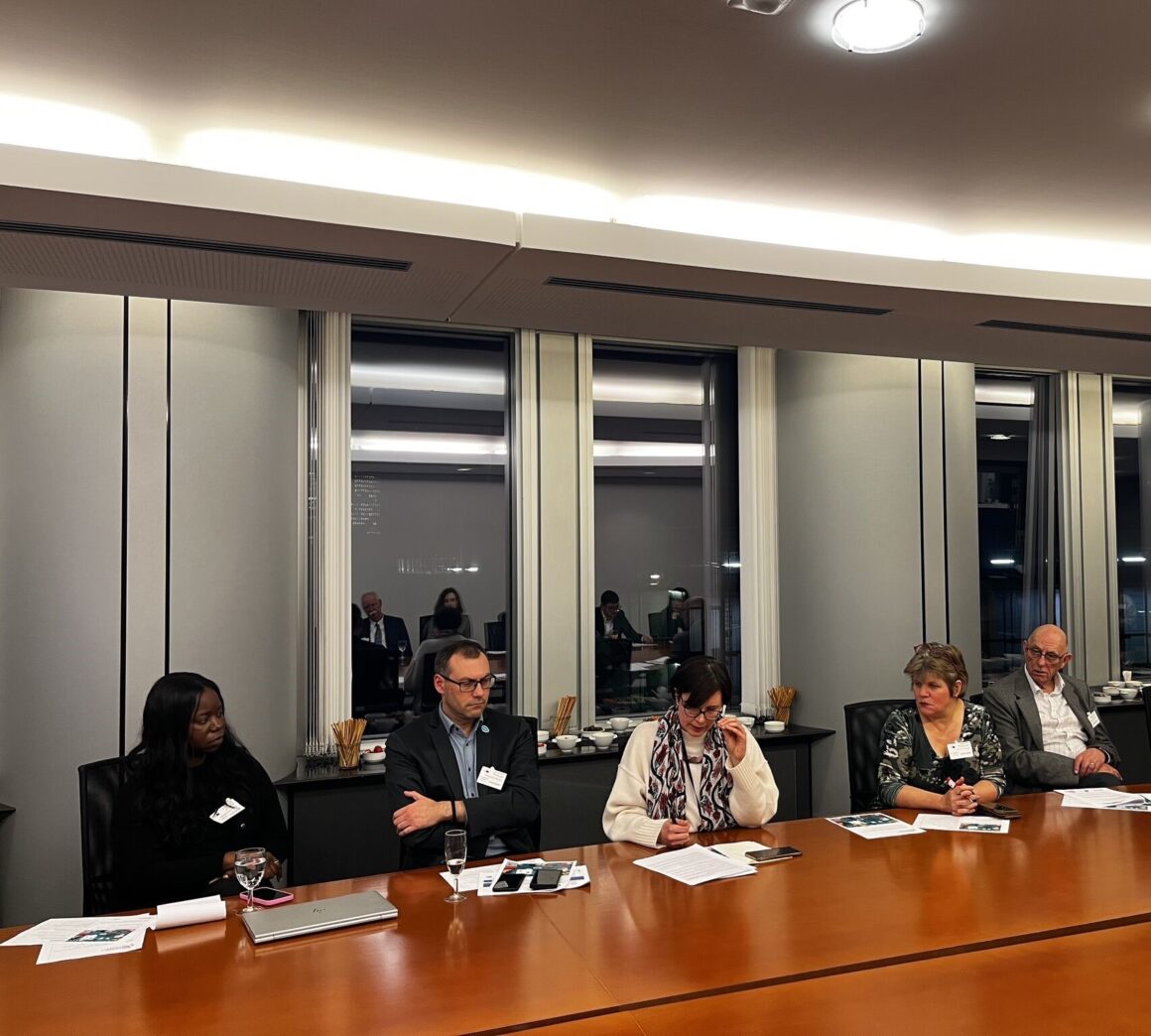
A moderated discussion, facilitated by CPE Senior Policy Officer Josephine Mosset, brought together clinicians, patients, and advocates, including Dave Chuter (Digestive Cancers Europe), Pamela Deasy (Pancreatic Cancer Ireland), and Beatrice Credi (European Liver Patients’ Association). Speakers described how the absence of structured nutritional support affects everyday life during treatment, slows recovery, and compounds the already significant burden of cancer. A shared message emerged: a one-size-fits-all approach is not good enough, but neither is the current patchwork of inconsistent, under-resourced care.
A Call to Action: From Evidence to Policy Change
The White Paper does not stop at diagnosis. It issues a clear call to action for three key audiences.
We urge policymakers to mandate nutritional screening at diagnosis and throughout treatment — a step still absent from major EU frameworks including Europe’s Beating Cancer Plan and to draw on best-practice models from countries like Portugal and Italy to establish EU-wide minimum standards, backed by active monitoring of national guidelines.
We call on healthcare professionals to treat nutrition as a core therapeutic component of oncology care, to inform patients systematically and continuously about dietary management, and to embed structured nutritional follow-up into survivorship pathways, while sharing best practices across EU, national, and regional levels to address persistent inequalities.
For patients and patient organisations, the message is equally clear: nutritional assessment is a clinical right, not an optional add-on. Patients are encouraged to request it early and regularly, advocate for access to dietitians and nutrition programmes, and champion awareness of nutrition throughout survivorship.
What Comes Next
The launch of the White Paper is a beginning, not an end. CPE will continue to build on the political momentum generated at the European Parliament, working to ensure that nutrition is embedded, mandated, funded, and monitored in cancer care pathways across Europe.
The evidence is in. The guidelines exist. What is now required is the political will to close the gap between awareness and action for every patient, in every Member State.