As a medical student, we had a lecture on how to deliver bad news.
Then, as an oncology fellow, we had it again.
And as frontline clinicians, we practice it every day.
“Your child has leukemia…
You have cancer…
Your child has Ewing sarcoma…
You have lymphoma…
But there is a big chance you will get through. A real chance to be cured.”
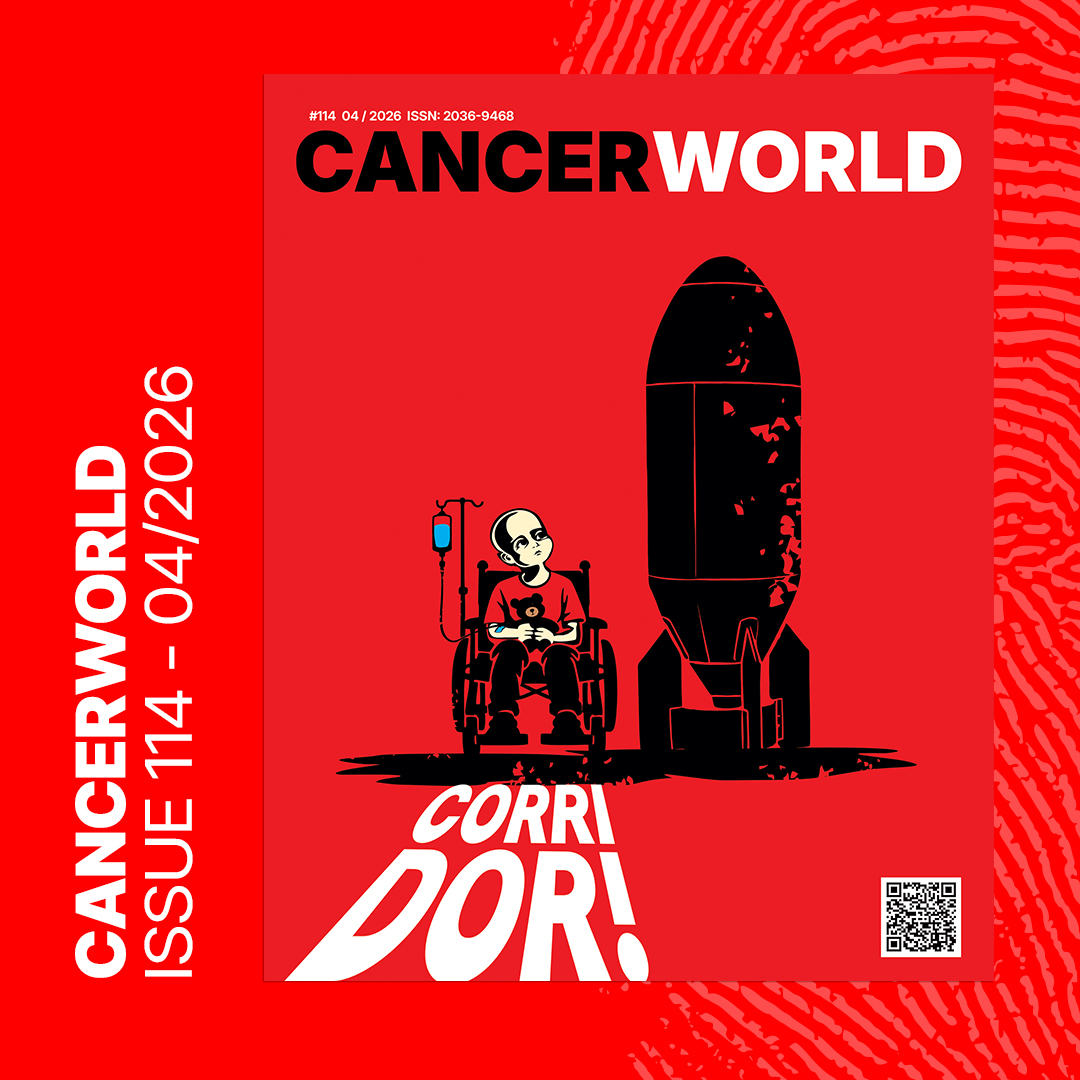
But how do you deliver that news in a war zone?
What do you say?
“Your child has leukemia. There is an 85% chance to be cured, but because of the war, because of the bombs, there is no chance. The hospital is destroyed. The chemotherapy is not available. There is no way to get the drugs.”
And what do you say to a doctor, whose patient just rang the bell, completed treatment and on the way home, a bomb killed him?
What do you say?
Sorry?
In your entire career, you may save hundreds of lives.
And then, in a moment, a bomb kills more.
Yesterday, I was speaking with a friend.
He was sharing the results of a new immunotherapy combination.
“You know,” he said, “more than 40% of patients, those who failed all lines of therapy, refractory patients, are still alive after two years.”
He was excited.
At the same time, I was reading reports about cancer patients in war-affected regions — about their struggles, their pain, their suffering.
A person fighting cancer with everything they have and then hit by war.
So what should we do?
Speak out? Yes.
But what else?
When war closes doors, we must open corridors.
OncoCorridor.
On May 18th, in Geneva, during the World Health Assembly, OncoDaily, together with the Institute of Cancer and Crisis, is launching OncoCorridor — a global network connecting cancer patients in conflict zones to treatment centers worldwide.
OncoCorridor is the direct operationalization of a landmark manifesto published in The Lancet, co-authored by the WHO Director-General, calling for exactly this kind of mechanism.
We must act now.
No patient should die of curable cancer because a war stood in the way.
We have the treatments.
We have the hospitals.
We just need to connect them to the people who need them.
Remarkable work has been done by individual organizations.
But no coordinated global mechanism exists to systematically connect treatment capacity to patients in conflict zones — until now.
The time has come.
We cannot wait.
We know what to do. We just have to do it.
The next time a doctor stands at that bedside, searching for words — there will be an answer.