In oncology, we are trained to deliver hope alongside difficult truths. We speak about survival rates, probabilities, and outcomes. In conflict settings, those terms lose stability. What does survival mean when hospitals are destroyed, treatments cannot reach patients, and people die not from disease alone but from system collapse?
Each issue of CancerWorld examines the people and ideas shaping oncology. This month, the tension between progress and fragility is especially clear. Scientific advances continue, but global instability limits their impact.
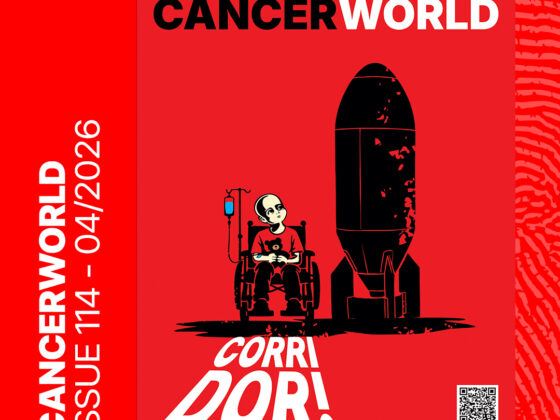
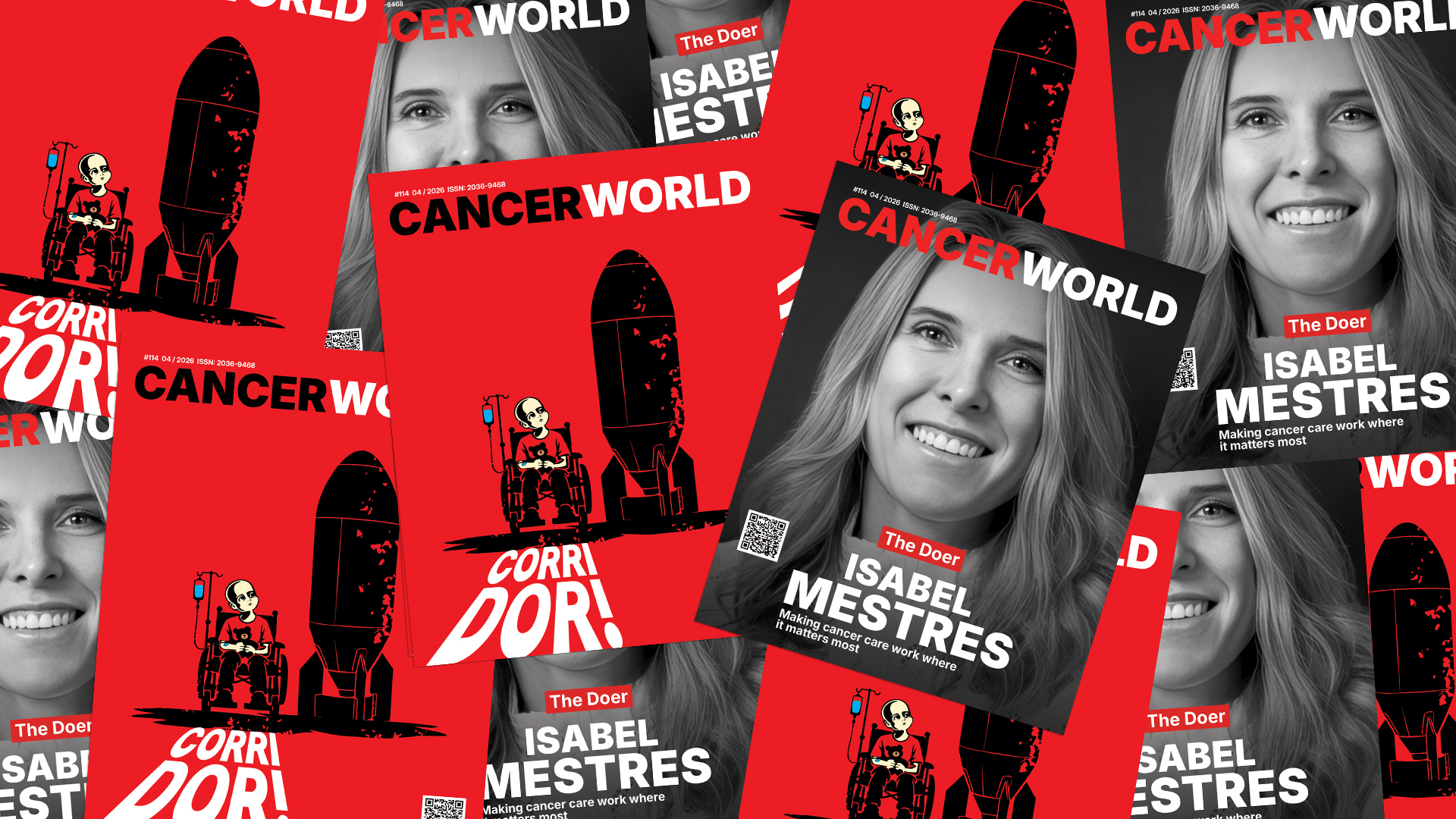
The April issue opens with a focus on cancer care in conflict settings. The OncoCorridor initiative is presented as a response to fragmented humanitarian action and as a warning about system failure. It raises a direct question: how can oncology claim progress when patients with treatable disease die because care systems no longer function? In this context, coordination is a core component of care, not an added value.
Our second cover story shifts to a different kind of pressure point in the system: execution. Isabel Mestres, CEO of City Cancer Challenge, brings the discussion back to something very grounded—how change actually happens. Not in strategy documents or conference rooms, but in hospitals, cities, and health systems that need to function better for real patients. Her work cuts through the noise a bit: it’s less about what should be done, and more about what gets done when the complexity is real.
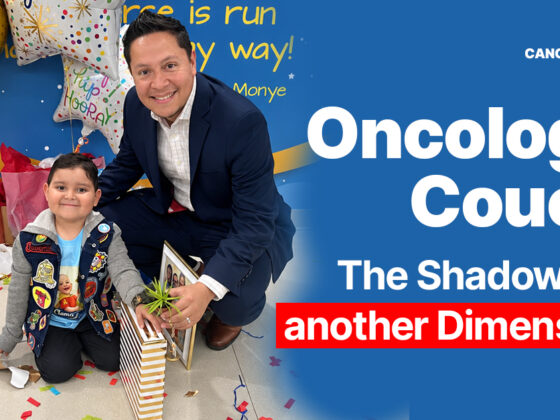
Even as oncology becomes more data-driven and influenced by artificial intelligence, this issue returns to a central point: it remains a human field. The career of Dr Rita Canário illustrates the risk of clinical detachment if empathy is not maintained alongside scientific progress. Technology supports care but does not replace clinical understanding.
Dr Waseem Darwish examines the ethical and emotional complexity of patient-centred decision-making in oncology, showing how protecting patient autonomy can become most critical in moments of disagreement and end-of-life care. Through a clinical case, he shows how protecting patient autonomy isn’t just about principles—it depends on how carefully clinicians listen, explain, and hold space for difficult conversations when families and patients don’t always agree.
On the policy side, Pancreatic Cancer Europe marks ten years of work that has helped move pancreatic cancer into a more visible space on the European agenda. Still, the article is honest about what hasn’t changed enough—late diagnosis and unequal access remain major barriers.
Cancer Patients Europe argues that nutrition remains insufficiently integrated into cancer care. Evidence supports its role in outcomes, but implementation across Europe is inconsistent. Nutritional screening and support should be part of standard oncology pathways.
From Cape Town, Esther Nakkazi reports on community-based palliative care. The model extends support beyond hospitals into patients’ homes. It improves continuity of care, but also highlights persistent gaps in access to services.
Scientific progress is also addressed in Toma Oganezova’s article on cancer vaccines. Once viewed as unsuccessful, they are re-emerging as a viable therapeutic approach. Advances in immunotherapy, genomics, and mRNA platforms are enabling new combinations, including with checkpoint inhibitors.
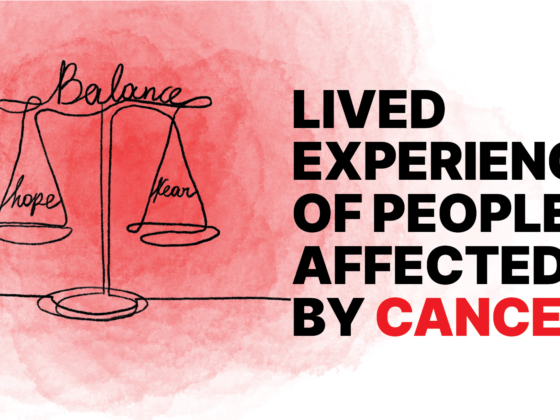
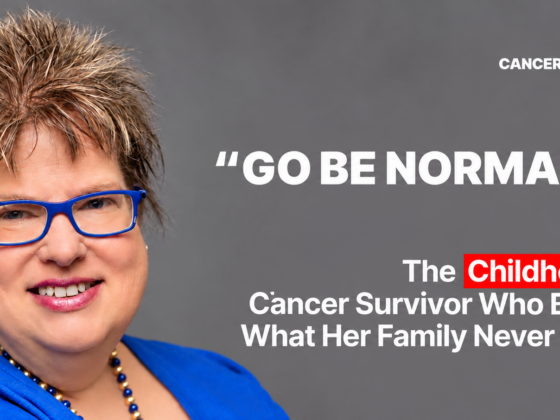
John Walker Pattison offers a very personal reflection on survivorship, decades after a “no chance” Hodgkin lymphoma diagnosis. His story doesn’t end with a cure. Instead, it stays with what comes after the long, often invisible effects that shape life years later, physically and emotionally.
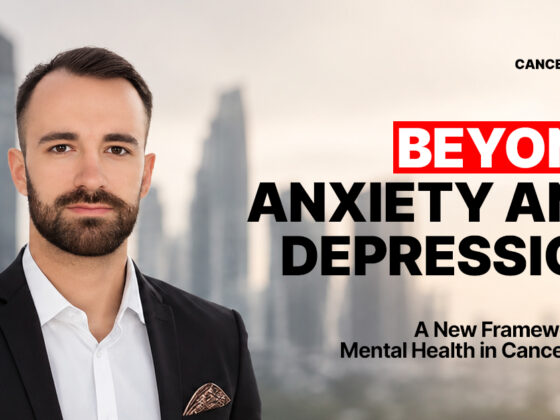
Finally, Adrian Pogacian examines psycho-oncology and its integration into routine care. Psychosocial support remains inconsistently available. The article argues for its inclusion as a standard part of oncology services, not an optional add-on.
Across all these stories, one thread keeps coming back. Progress in oncology is not only about discovery. It is about whether anything actually changes for patients. From conflict zones to advanced cancer centres, from molecular research to lived experience, the measure stays the same.
The key question remains whether knowledge translates into care for the people who need it.