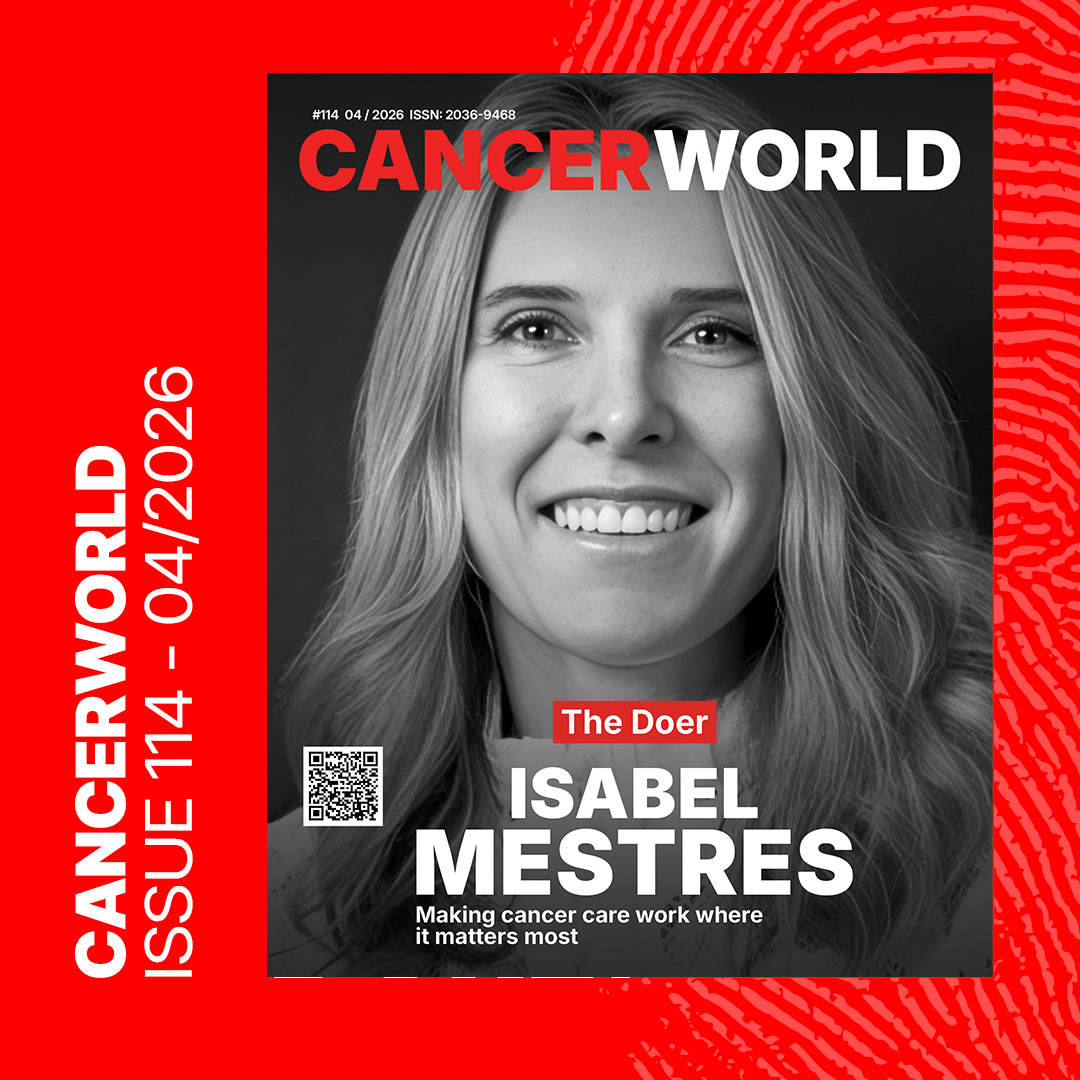
Global health has become very good at diagnosing problems but far less effective at implementing solutions.
That gap is where Isabel Mestres has built her career.
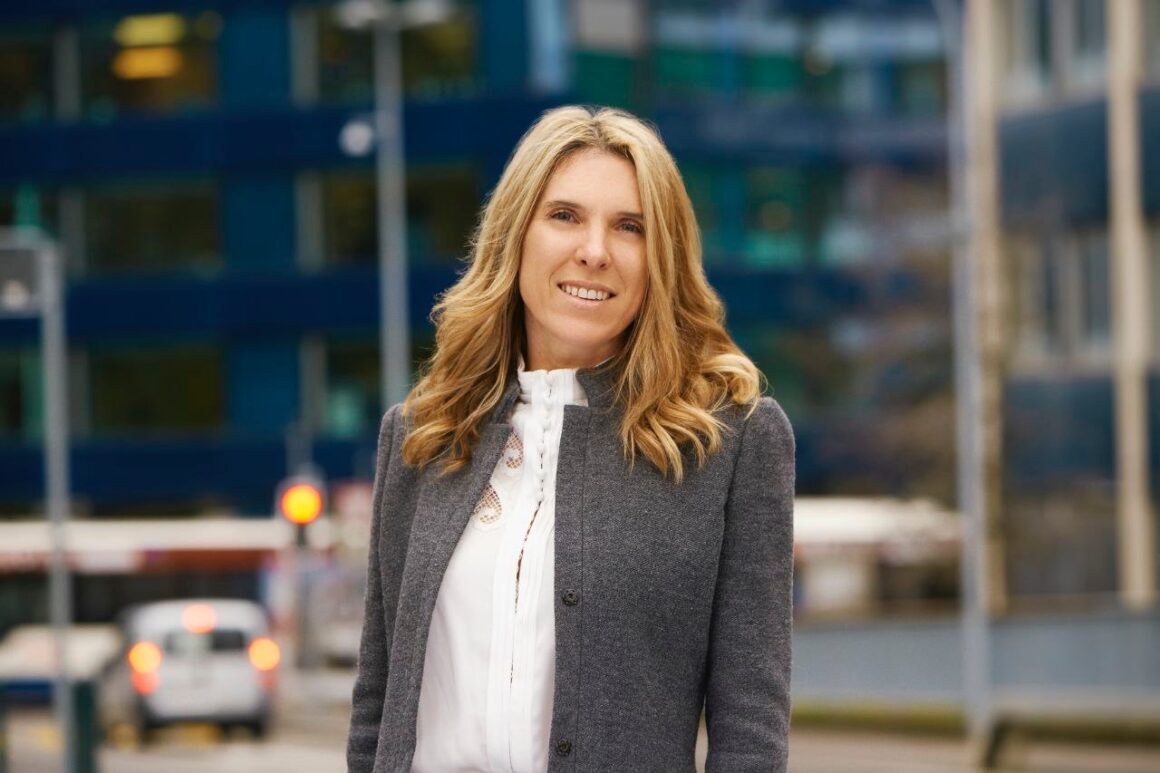
As CEO of City Cancer Challenge, she is known not as a theorist or an advocate alone, but as a builder: someone who does not merely diagnose failures in health systems, but works to redesign them and make them function in practice. She moves between global ambition and local reality, translating ideas into models that can be implemented, tested, and sustained.
Her focus is clear: close the gap between what is planned and what actually reaches patients. It’s a role that requires more than vision. It demands pragmatism, resilience, and a willingness to work within complexity. Such qualities have come to define her leadership.
And perhaps that is the most fitting way to describe her: The Doer.
A Life Shaped by Curiosity and Exploration
That clarity in Isabel’s vision didn’t arrive overnight.
“I didn’t yet know where I could have the most impact,” she reflects.
Early on, long before oncology care, her interests pulled her in different directions. She was drawn to creativity, at one point considering cinema, but ultimately chose to study business as a foundation she could build on.
“If I’m not sure yet, at least this gives me a base, and once I discover what truly drives me, I can apply the business knowledge,” she remembers thinking,
She stepped into the private sector, working with companies like Procter & Gamble and Nestlé, gaining a strong grounding in marketing, sales, and leadership. It had been a pragmatic decision. The experience was valuable, but it also sharpened her sense that something was missing.
“I didn’t feel fulfilled,” Isabel remarked
What followed was not drift, but exploration. She did something few people do when faced with uncertainty: she left in search of perspective.
“I decided to go around the world looking for that inspiration.”
Isabel began travelling across Latin America, Asia, and Africa, where she immersed herself in different cultures, systems, and ways of thinking. It was an experience that broadened her worldview but most importantly, began to shape the questions she would carry forward.
“When I returned from being away, I wanted to continue exploring, so I moved into the media industry, helping countries shape and communicate their identity through journalism and marketing.” That work brought her into close contact with political leaders, CEOs, institutions, and decision-makers from the international development world. And little by little, a different future began to appear.
“I started reaching out to people working in the development space, in different international organisations. And as I spoke with them, I realised that it was sparking something”.
What she saw was a different kind of leadership. Highly professional, but driven by purpose, by something bigger than themselves.— “And I thought – bingo!”
That moment of clarity led her to Geneva. And then the breakthrough into global health.
Entering the Cancer World
At the Union for International Cancer Control (UICC), Isabel entered global health at age 29, bringing a private-sector understanding of how systems actually operate. Something often missing in global health.
But the deeper transformation was personal. This was not just a career move—it was a shift in direction. She found not only a field, but a mission: a global community driven by commitment, and a problem that was impossible to ignore.
As she describes it, “I became fascinated by the cancer community and their level of commitment and passion. But at the same time, I was struck by the inequality in care that where you live can determine whether you survive.”
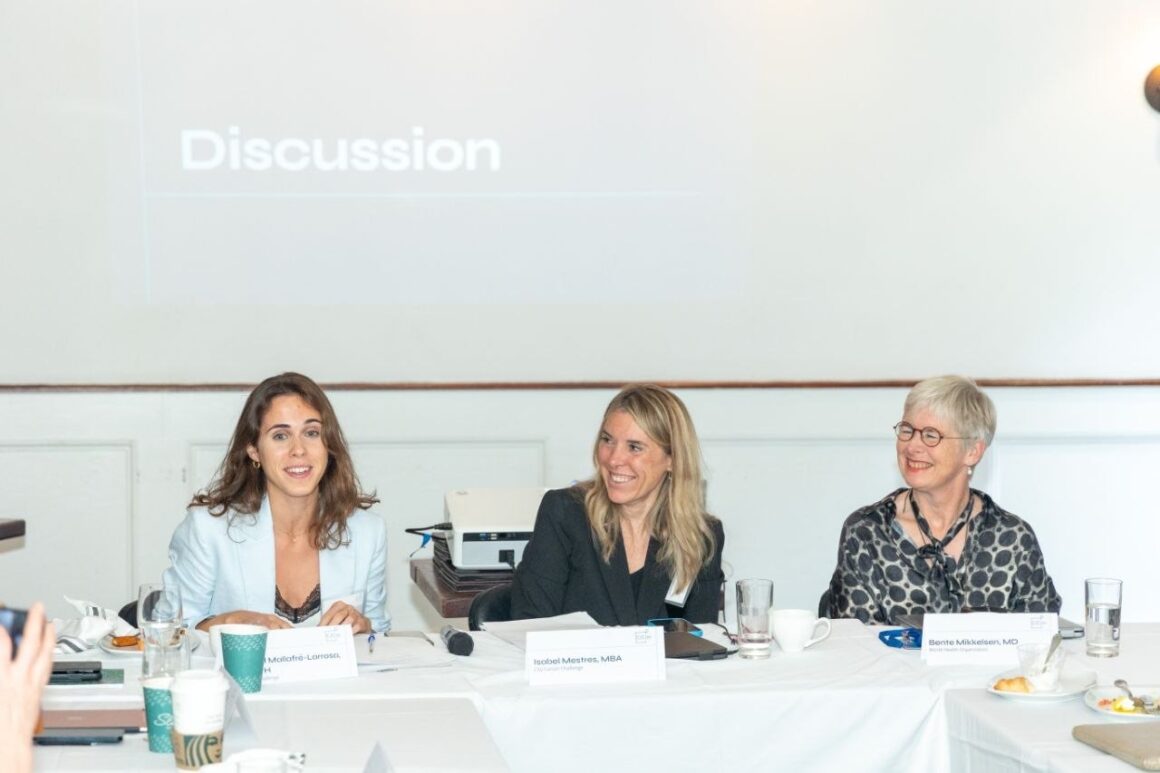
That contrast stayed with her.
One area, in particular, shaped her thinking early on was paediatric cancer. What stood out was not only the level of need, but the way teams were able to deliver results despite severe constraints. The resourcefulness, determination, and sense of purpose within that community helped define how she began to see cancer care more broadly and where she could contribute.
The Problem Nobody Was Solving
At the time, the cancer community was making real progress in advocacy. National cancer control plans were being developed, registries strengthened, and global recognition of cancer as a major health challenge was growing.
But something critical was missing.
“UICC is primarily an advocacy and capacity development organisation, so there was a strong push for national cancer control plans and registries. But we were not seeing that translate into change at the local level.”
That gap, between planning and implementation, became the defining problem she set out to solve.
At the same time, another contrast was impossible to ignore. In high-income countries, oncology was advancing rapidly with new diagnostics, medicines, and models of care transforming outcomes. But for much of the world, those breakthroughs remained out of reach.
The financing landscape just reinforced the imbalance.
“There was no dedicated funding for cancer. Most of the development aid was going to communicable diseases, and less than 2% was going to NCDs. Despite the enormous investment in oncology innovation, very little was invested in the health systems needed to deliver that care.”
And then there was the ethical contradiction that struck her most forcefully: fragmented interventions that identify disease without creating a path to care.
“There were many siloed interventions, particularly around screening,” she recalls. “But civil society organisations would tell me that patients are being told they may have cancer, and then arriving at our doors with no means to continue their journey. No access to diagnosis, no access to care.”
What troubled her was not just inefficiency, but the ethics of it.
“There is something deeply troubling about telling someone they may have cancer and then not offering a path forward for diagnosis or care.”
“For me, the realization was simple: global health had become very good at diagnosing problems and writing plans, but far less effective at supporting countries to actually implement solutions. That implementation gap became the space where I knew we could make the greatest contribution.”
Why Cities?
The idea behind the City Cancer Challenge did not begin with a slogan. It began with a systems question: where can meaningful implementation actually happen?
“We knew we had to find an organization that actually supports countries to improve access to cancer care, but from a holistic systems perspective, not from silo interventions.”
The answer was not the national government alone, nor the hospital alone, nor a single vertical program. It was the city.
“That’s where the idea of cities came in. A city is like the national health system, but on a smaller, more manageable scale. In my private sector times, we used to call it the Minimum Viable Product (MVP).”
For Isabel Mestres, cities make complexity visible.
“In a city you can see the entire patient journey – and where it breaks down. You see how national, regional, and local systems interact. You see how the reimbursement system works; how the workforce is trained; how civil society operates; how data flows through the cancer registry.; You can see the entire system in one place.”
This, in her view, was the missing bridge between policy and practice.
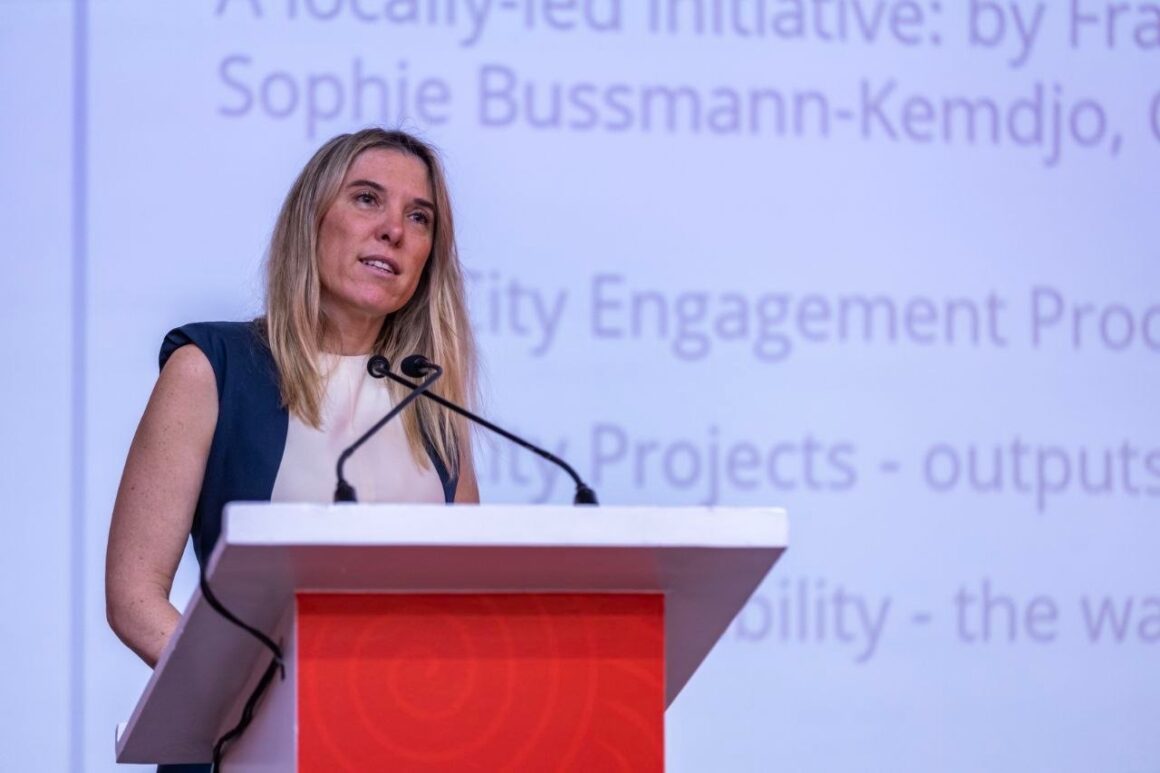
“Many interventions target the national government, but how do they implement them at scale? Policy and planning are one thing. Implementation is another. So where do you actually start implementing from a systems perspective?”
“That’s where I think we nailed it, when we focused on cities.”
At first, many dismissed the concept.
“At the beginning, we were told we were in La La Land — that cities had no say in cancer care. But that assumption was exactly the problem.”
Isabel saw the issue differently. The real power of cities was not formal political authority. It was their ability to convene.
“What we realised is that it’s not about the politician. It’s about the ecosystem.”
A city allows stakeholders to come together, generate real-world data on how the system functions, and identify where change is really needed.
Leading Teams That Deliver
At the core of Isabel Mestres’ leadership is a high degree of self-awareness – translated into clarity. About what she knows, what she doesn’t, and where she adds value.
That clarity shapes how she builds teams. Rather than surrounding herself with similar profiles, she focuses on bringing together people with different strengths and perspectives. The key is ensuring they complement each other and can operate effectively in complex environments.
A significant part of her role is aligning those perspectives. In an organisation that sits across countries, systems, and stakeholders, progress depends on the ability to bring different viewpoints together around a shared goal, and move forward.
Isabel leads with openness, creating space for honesty, learning, and course correction when needed. She looks for people who take responsibility, move things forward, and are comfortable operating without constant direction.
Because building something from the ground up requires both energy and discipline. It’s the ability to navigate uncertainty, while staying focused on what needs to be delivered.
How She Chooses People
The way she builds teams mirrors how she builds systems. Grounded in reality.
“First I prioritise people from our cities, those who understand how systems work in practice, those who understand the context, and those who understand both the public and private sector.”
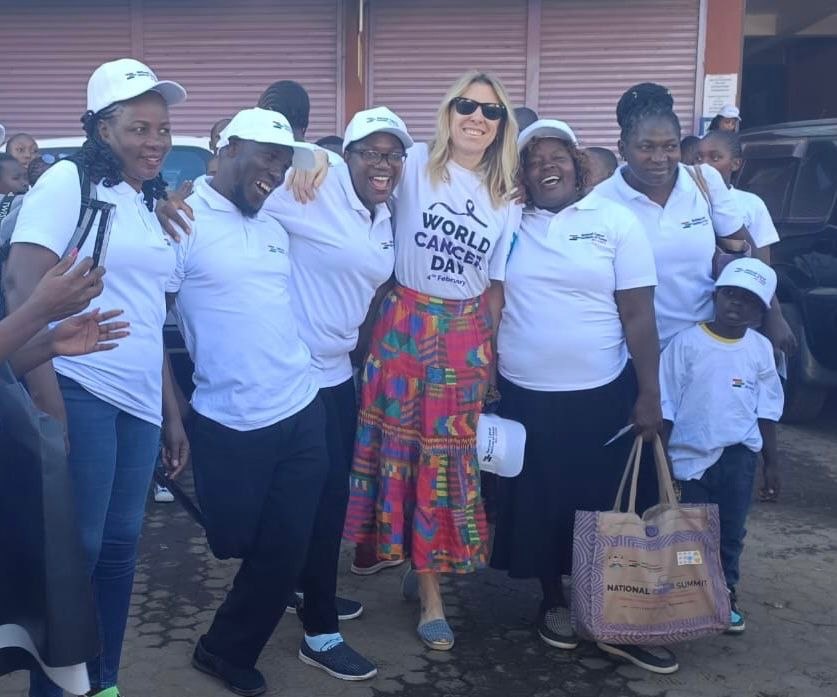
She wants people who understand what policy looks like once it reaches the real world — the hospital, the patient, the budget line. But she also looks for people who can live comfortably without certainty.
She believes strong teams require a balance of different professional profiles.
“Some people bring deep technical expertise and experience from large institutions. Others are innovators who are comfortable working in uncertainty and building new approaches. Both are critical for an organisation like ours.”
And curiosity matters too. In interviews, she watches for it carefully and recognises those who look at things differently, and ask unexpected questions. But there is one more quality that is essential: “People willing to challenge.”
What Keeps Her Awake
For all the momentum of the City Cancer Challenge, Isabel is clear-eyed about its challenges. When asked what keeps her awake at night, she answers without hesitation.
“First and foremost, my people. I care deeply about their wellbeing.”
With colleagues spread across countries, keeping people connected, supported, and aligned around a shared mission is a constant focus. But the bigger challenge lies beyond the organisation.
Health systems do not transform on a funding cycle alone. There is a constant balance between urgency and reality. Delivering progress today while building systems that will last.
“The outcomes we’re working towards, like survival rate and quality of care, take years to measure. We’re fortunate to have partners who understand that this is long-term work.”
Because, ultimately, the goal is not short-term results but sustainable change.
Mentors, Boards, and Coaches
“I don’t have one mentor. I turn to different people for different challenges. I rely on them a lot.”
Her board is a key source of support and perspective, and one she trusts deeply. She also draws on a wider circle of advisors across strategy, people management, communications, and fundraising, seeking out different viewpoints depending on the decision at hand. Coaching has been a constant throughout her career but more recently, she has become a certified coach herself. An experience that has shaped not just how she leads, but how she thinks.
What She Wants to Become
When asked who she wants to be in the years ahead, Isabel does not speak of titles or recognition. She speaks about impact and, more importantly, evidence.
Her ambition is clear: to be able to look back in ten years and demonstrate that real system transformation has taken place and that it can be measured.
As she puts it, “we made it.”
For her, success is not defined by the number of programmes delivered, but by whether the work contributes to a deeper understanding of what actually strengthens health systems in practice. The goal is to generate knowledge that endures, that is grounded in implementation, not theory.
But her vision extends beyond oncology.
She is increasingly focused on a more holistic model of care and one that reflects the reality of patients’ lives, where cancer is rarely experienced in isolation. The future, in her view, lies in systems that treat the whole person, not just a single disease.
“I want to move towards systems that see the whole person and not just the disease.”
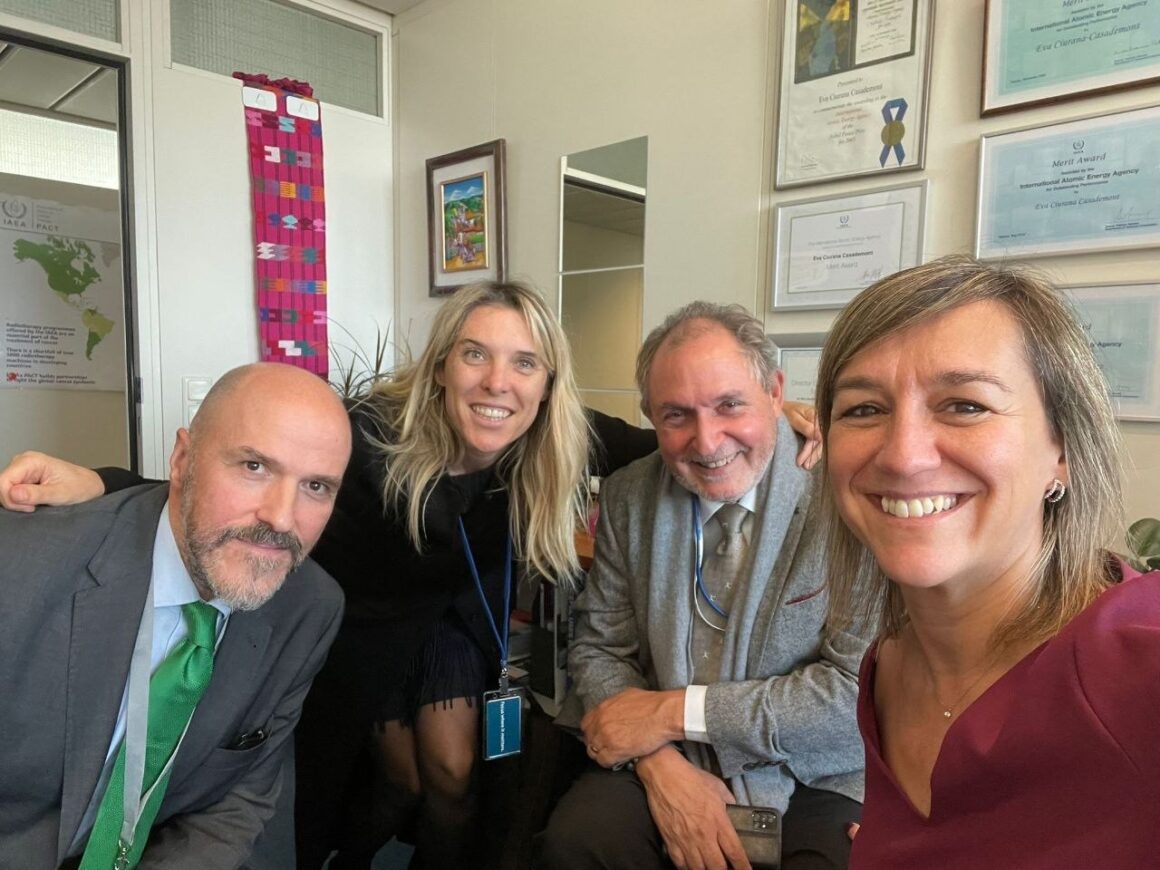
Who Is Isabel Mestres?
When I ask her to define herself in one sentence, she gives an answer that feels as honest as it is precise.
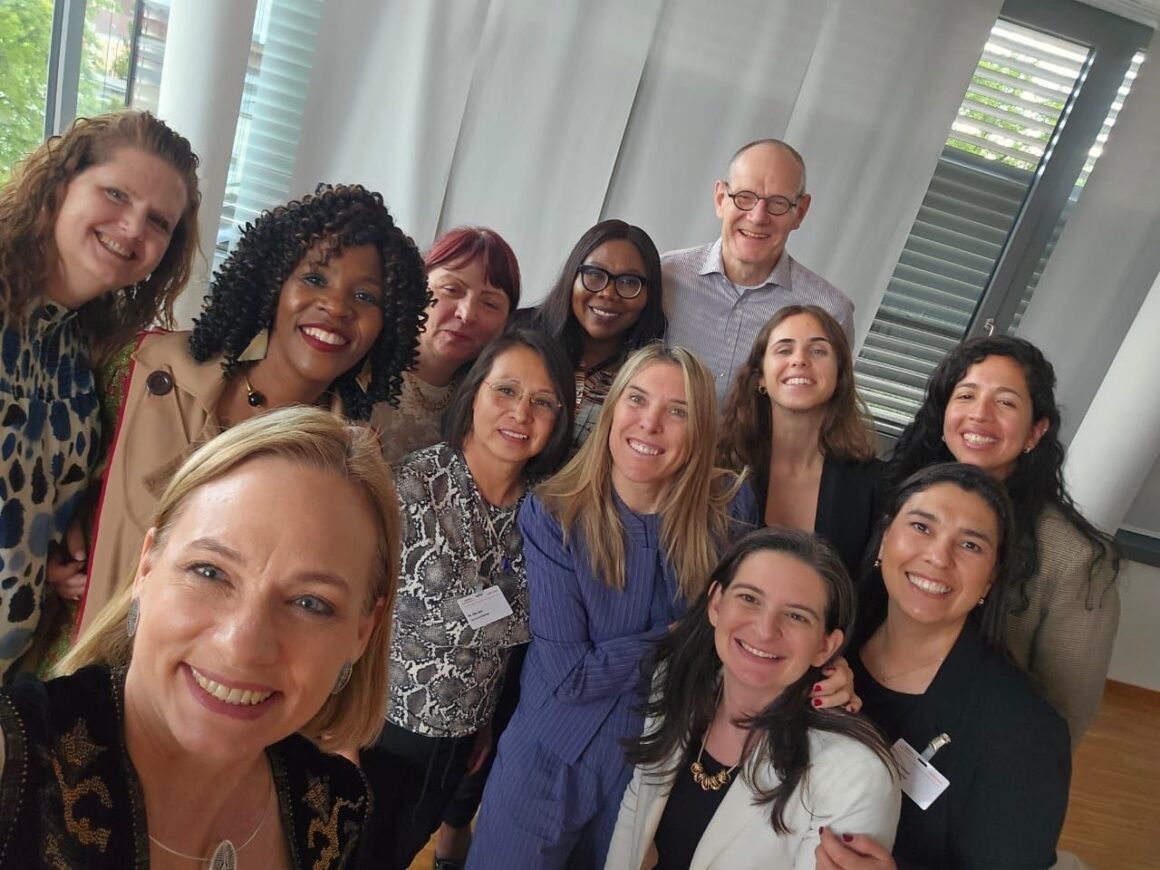
“I’m a very curious and passionate person, with a strong commitment to equity. And I like to surround myself with people who bring different strengths, because together we can achieve things that none of us could do alone.”
A Book About Freedom
The book Isabel Mestres returns to most often is ‘Man’s Search for Meaning’ by Viktor Frankl.
What resonates with her is a simple but powerful idea that even in the most constrained circumstances, people retain the ability to choose how they respond.
It’s a perspective that has shaped how she approaches both life and leadership particularly in environments where control is limited and progress is slow.
As she puts it, “nobody can take away how you choose to think or what meaning you give to the life you’re living.”
That sense of internal freedom and of choosing how to respond within constraint has become a constant reference point. It underpins Isabel’s resilience, her decision-making, and the way she navigates complex systems where outcomes are never guaranteed.
Advice for the Next Generation
Isabel’s advice to young people is grounded in realism.
Not everyone knows their passion early. And that’s not a problem.
Instead, she encourages curiosity as a starting point. Paying attention to what sparks interest, what draws your attention, and what problems you feel compelled to understand. These signals, she believes, are often the first indicators of where purpose might emerge.
But just as important is exposure.
Speaking to people across different professions, understanding how their work actually functions, and learning what motivates them can provide clarity. It’s an approach she now actively supports particularly for young women entering global health. In recent years, she has invited a small number to shadow her during the World Health Assembly, offering a direct view into how the field operates in practice.
“I didn’t do that when I was younger, and I wish I had.”
The Heroes in the Shadow
At the end of the conversation, when asked who she believes should be interviewed next, Isabel points to the frontlines. To people like Gloria Chinyere Okwu, who is a cancer survivor and patient advocate in Nigeria.
For Isabel, patient navigators are one of the most under-recognised forces in cancer care, particularly in low-resource settings. They guide patients through complex systems, help them understand their diagnosis, and support them in staying on treatment. This is often in environments where fear and misinformation remain major barriers.
In many communities, a cancer diagnosis is still widely associated with death. Survivors who step into these roles shift that perception. They bring something no system can replicate: lived experience, credibility, and hope. And yet, despite their impact, this work is often informal and unsupported.
As she puts it, “they are the heroes in the shadow.”
It’s a phrase that captures not only the individuals she is describing, but a broader truth about health systems: that some of the most critical contributions come from those least visible.
***
Across the conversation, a clear thread runs through Isabel Mestres’ work. There is a focus on making systems function in practice.
Her approach is grounded in curiosity, shaped by experience, and driven by a commitment to equity. But above all, it is defined by execution. Not just understanding where systems fall short, but doing the work required to make them deliver.
It is a mindset that moves beyond ideas and into implementation. A clarity to recognise that progress is measured not by intention, but by what reaches patients.
And perhaps that is what defines her most clearly.
Not the theorist. Not the observer.
The one who builds.
The doer.