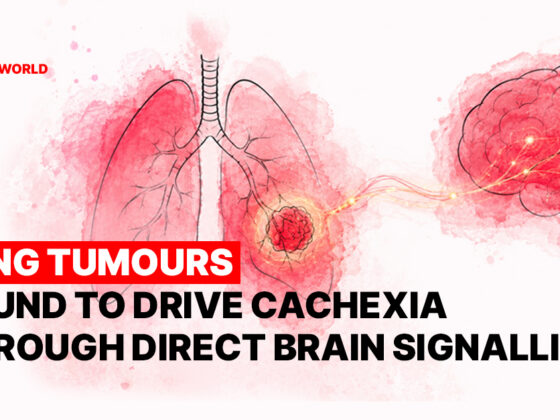
Timing of radiotherapy administration may significantly influence treatment efficacy in breast and prostate cancer. A Spanish study, published in Nature Communications, demonstrates that circadian oscillation of Cryptochrome 1 (CRY1) modulates DNA double-strand break (DSB) repair, making radiotherapy more effective in the afternoon and evening.
“We showed that when CRY1 levels are low, typically in the afternoon or evening, DNA repair slows down, making cancer cells more vulnerable to radiation than in the morning,” lead investigator Pablo Huertas tells CancerWorld. “The take-home message is that a greater understanding of chronoradiotherapy and adjusting the timing of radiotherapy could benefit some patients.”
For the study, Huertas, from the University of Seville, Spain, and the Andalusian Centre for Molecular Biology and Regenerative Medicine (CABIMER), worked with investigators from the Virgen Macarena University Hospital, Seville.
Circadian rhythms are innate, internal biological clocks that help the body anticipate and adapt to the changing demands of the day–night cycle. They regulate patterns such as sleep, alertness, and hunger, explaining why we tend to feel tired or hungry at certain times of day. Jet lag occurs when our internal clock becomes misaligned with the external light–dark cycle, such as after rapid travel across time zones. Circadian rhythms are controlled by a series of proteins, including CRY1, whose presence in cells follows a 24-hour cycle. “CRY1 accumulates during the day, peaking late in the evening. During the night, its levels are naturally reduced, with lower expression at dawn,” explains Huertas.
CRY1 has also been implicated in DNA double-strand break repair, the process that rejoins two DNA strands. Multiple cancer treatments, including radiotherapy, work by generating DNA breaks, leading to the hypothesis that high levels of CRY1 might increase treatment effectiveness by preventing repair from taking place.
CRY1 Links The Body Clock to DNA Repair
In the current study, Huertas and colleagues set out to explore whether circadian rhythms influence DNA double-strand break repair. They used a range of human and mouse cell lines, with a particular focus on the osteosarcoma-derived U2OS cell line, which has been well characterised in homologous recombination studies.
First, the team ‘reset’ cell lines with high-dose dexamethasone, known to mimic the natural signals triggered by sunlight exposure at the start of the day. Next, DNA double-strand breaks were induced either by ionising radiation mimicking clinically relevant damage or through a site-specific endonuclease system, allowing precise control over break location and timing. The efficiency of homologous recombination (one DNA repair pathway) was assessed by monitoring DNA end resection, the initiating step in a high-fidelity repair pathway using markers of single-stranded DNA formation and downstream repair activity. Markers including RPA and RAD51 foci were quantified by immunofluorescence microscopy.
Across the circadian cycle, the team observed a clear oscillation in DNA end resection activity, indicating that homologous recombination is temporally regulated. CRY1 levels were then manipulated using genetic approaches: siRNA technology was used to reduce levels (mimicking dawn conditions), while additional gene copies were introduced to increase levels (mimicking dusk conditions). Loss of CRY1 led to increased DNA end resection and abolished the observed rhythmicity, while overexpression suppressed DNA end resection. These findings identify CRY1 as a negative regulator of homologous recombination.
Mechanistic experiments further showed that CRY1 is recruited to sites of DNA damage, where it promotes retention of the resection inhibitor CCAR2, which in turn limits the activity of CtIP, the key nuclease required to initiate resection. “Our work led to the hypothesis that tumour cells would be more sensitive to radiotherapy when they are less able to deal with DNA breaks and CRY1 levels are high. This would result in greater tumour cell killing in the evening, and hence better overall patient survival,” explains Huertas.
Afternoon Treatment Shows Clinical Benefit Selectively
Using data from The Cancer Genome Atlas, the team found that breast cancer patients whose tumours had high CRY1 expression survived longer after radiotherapy than those with low-CRY1 tumours, with a median difference of around 18 months. High levels of CCAR2 showed an even larger gap, of roughly two and a half years. In mouse xenograft experiments, tumours engineered to lack CRY1 grew faster and were less affected by chemotherapy.
To test whether these findings held true in the clinic, the team undertook a retrospective study using patient records from the Radiotherapy Service at Virgen Macarena University Hospital. In total, 5,751 patients treated primarily with radiotherapy between 2018 and 2023 were grouped according to the time of day they received treatment, with results stratified by tumour type.
The results showed that prostate and breast cancer patients clearly benefited from afternoon irradiation, with increased overall survival. By contrast, patients with lung cancer, gliomas, and head and neck cancers did not. The likely explanation, suggests Huertas, is that tumours that do not respond to treatment timing may have compromised circadian clocks. Lung cancers, for example, are prone to losing CRY1 expression; if CRY1 is absent, tumours are unlikely to respond differently at different times of day.
“Our current hypothesis is that some tumours benefit from afternoon irradiation because timing increases radiation toxicity in cancer cells. Due to circadian clock disruption, other tumours may not respond to treatment timing. However, in such cases, neighbouring healthy tissue is likely to be more resistant to irradiation damage in the morning. For these patients, we would propose morning irradiation, as it is less likely to cause adverse secondary effects.” Ultimately, he adds, CRY1 levels could serve as a biomarker to guide treatment timing—morning irradiation to reduce toxicity, or afternoon irradiation to increase tumour lethality.
Looking ahead, the team aims to correlate response to radiotherapy with CRY1 expression across a wider range of tumour types. They also plan to co-culture healthy and tumour cells to better understand differential responses and to explore how irradiation timing influences secondary effects in healthy tissue.
In theory, adds Huertas, these findings could be extrapolated to any treatment that works by inducing DNA breaks, including PARP and topoisomerase inhibitors.
About the Author
Janet Fricker is a UK medical writer with an MA in Physiology from the University of Oxford. She is the News Editor of CancerWorld. Janet has worked for the Cancer Drug Development Forum, Cancer Research UK, Lancet Oncology, European Journal of Cancer, Molecular Oncology, Ecancer Medical Science, and European School of Oncology (where she wrote the Oncopaedia sections on breast cancer). She has written for consumer publications including The Times, The Economist, The Daily Mail, The Independent and Marie Claire.