We often describe progress in oncology through the language of discovery.
Scientific breakthroughs. Technological innovation. Deeper biological insight.
These advances have transformed medicine, helping millions of people live longer and better than ever before. Yet alongside every scientific breakthrough, a broader change has been unfolding across oncology.
For generations, expertise was defined almost exclusively by science. It emerged from laboratories, clinical trials, and decades of clinical practice. That foundation remains the cornerstone of progress. But today, oncology is embracing another source of knowledge—one grounded not only in research, but also in lived experience.
Patients, survivors, caregivers, and advocates are no longer viewed simply as recipients of care. Increasingly, they are shaping research, influencing policy, improving communication, and challenging healthcare systems to better reflect the realities of living with cancer. Their perspectives are broadening our understanding of what truly defines quality cancer care.
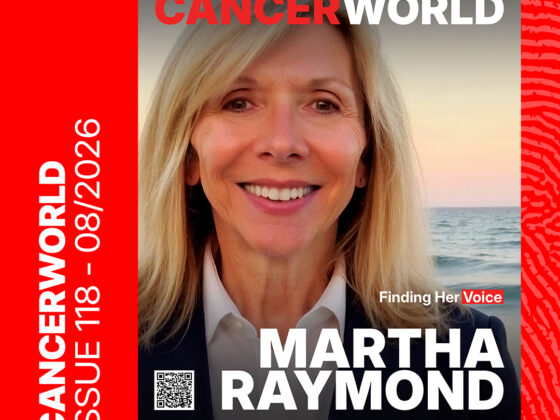
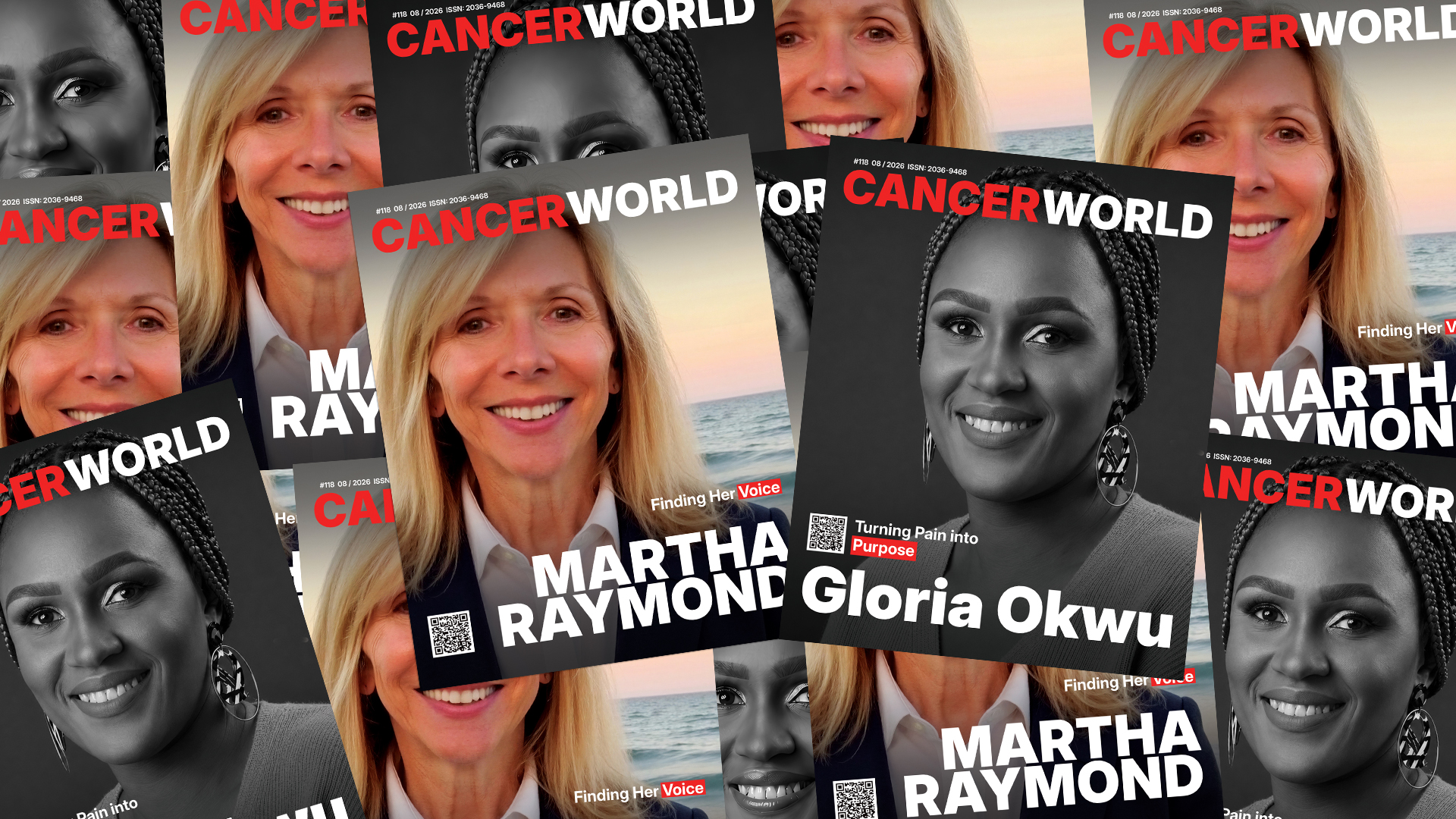
Few stories embody this changing landscape more powerfully than those of Martha Raymond and Gloria Okwu.
For more than four decades, Martha Raymond has been at the forefront of patient advocacy in gastrointestinal oncology, helping establish patient partnership as an essential pillar of modern cancer care. Her work demonstrates that scientific excellence and lived experience are strongest when they advance together. Gloria Okwu, whose own breast cancer diagnosis became the catalyst for one of Nigeria’s leading advocacy movements, reminds us that information, trust, empathy, and shared experience can shape outcomes just as profoundly as treatment itself.
The same perspective runs throughout this issue. Tamika Felder reflects on turning cervical cancer survivorship into a global movement for prevention and education. Carmen Monge challenges us to rethink survivorship in an increasingly mobile world, while Dr Michael Janse van Rensburg offers a deeply personal reflection on recurrence, caregiving, and resilience, reminding us that cancer is never experienced by patients alone.
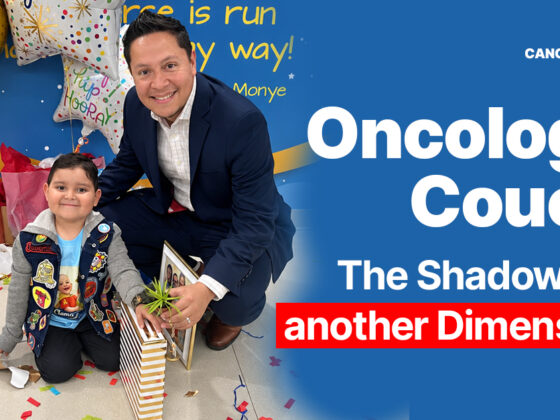
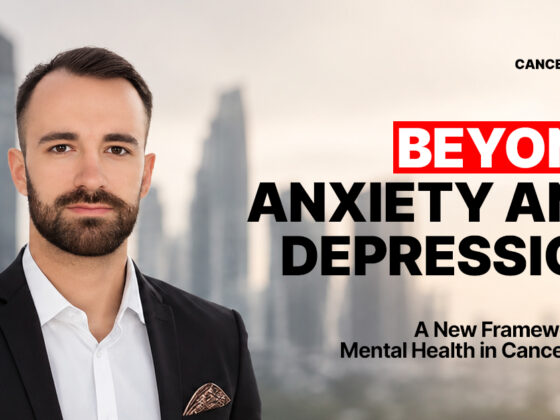
Science, too, is reinforcing these perspectives. Victoria Forster explores compelling evidence that patient-reported outcomes provide prognostic information beyond traditional clinical measures, while Adrian Pogacian examines emerging approaches that broaden how mental health is understood in oncology. In our new series, Oncology Couch: Questions, Answers, and the Space in Between, Dr Aleksandra Filipović explores the intersection of science, communication, and human connection, reminding us that healing is shaped not only by treatment, but also by communication, trust, and meaningful relationships.
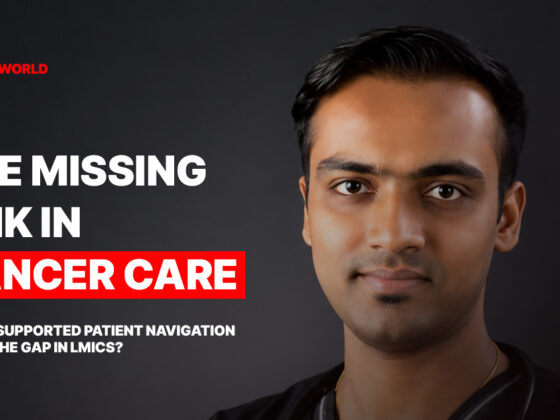
Beyond the clinic, our coverage of the 2026 Cancer Patients Europe Annual Meeting highlights the growing role of patients as partners in shaping cancer policy. Our feature on AI-supported patient navigation explores how technology can strengthen—not replace—the human relationships that guide patients through increasingly complex healthcare systems. We also honour the legacy of Dr Mary Buchanan, whose pioneering work helped build one of Europe’s most influential breast cancer advocacy movements.
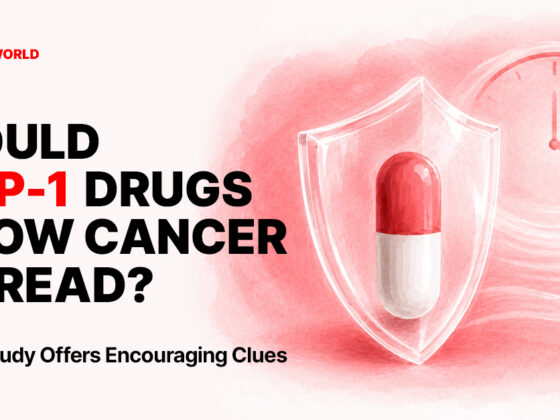
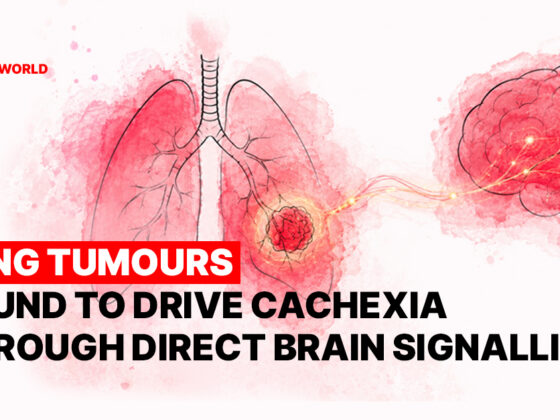
Finally, our News section reminds us that discovery itself never stands still, highlighting research that challenges long-held assumptions about cancer cachexia and opens new directions for understanding one of oncology’s most devastating complications.
Together, these stories point towards a fundamental shift in cancer care.
Scientific discovery will always remain the foundation of progress in oncology.
The next chapter of oncology will be written not only by those who study cancer, but also by those who live with it.
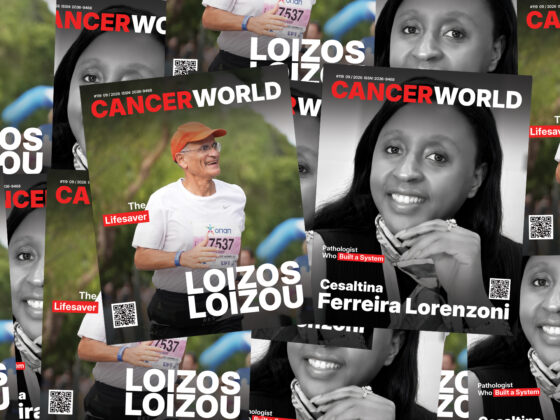
Read the full issue here.