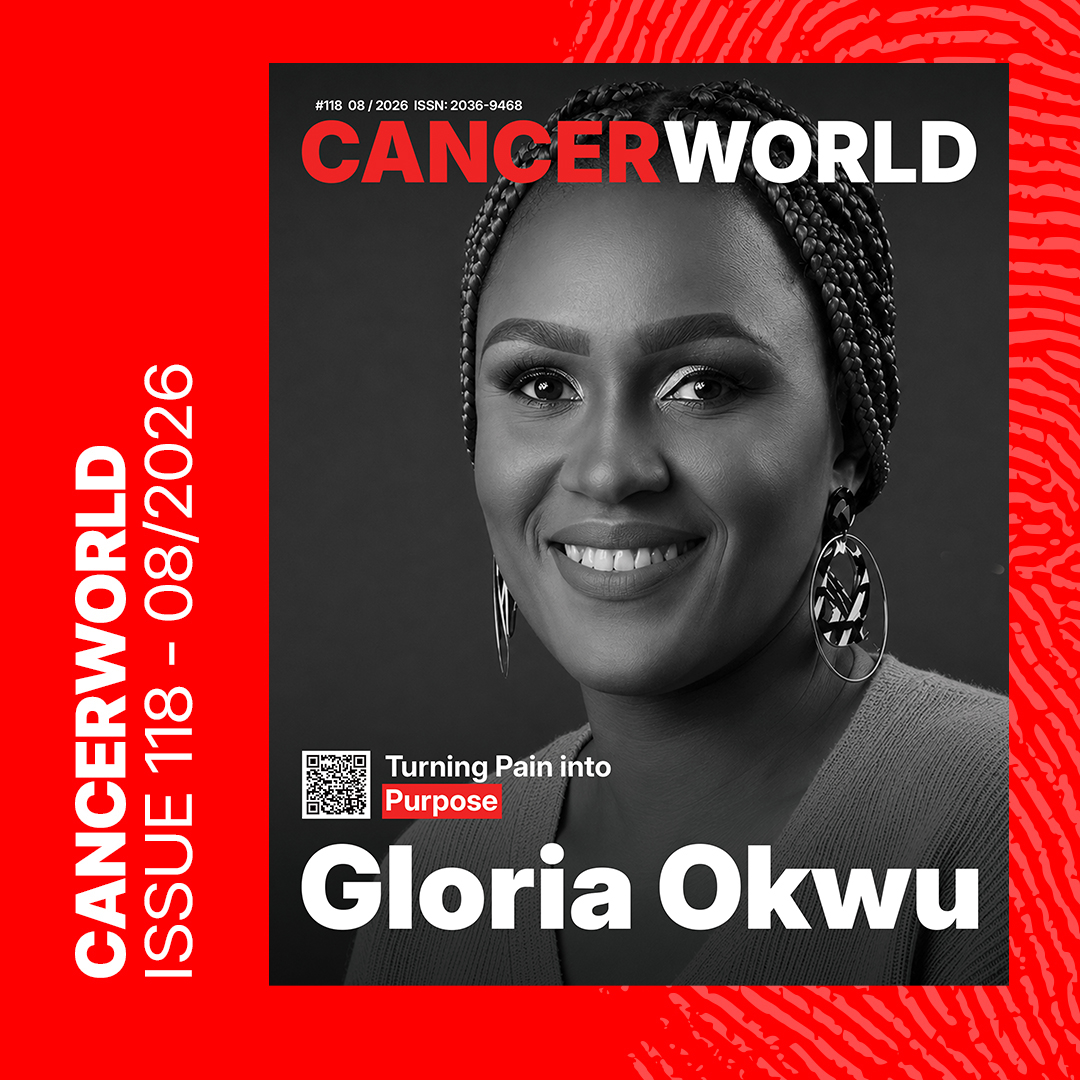
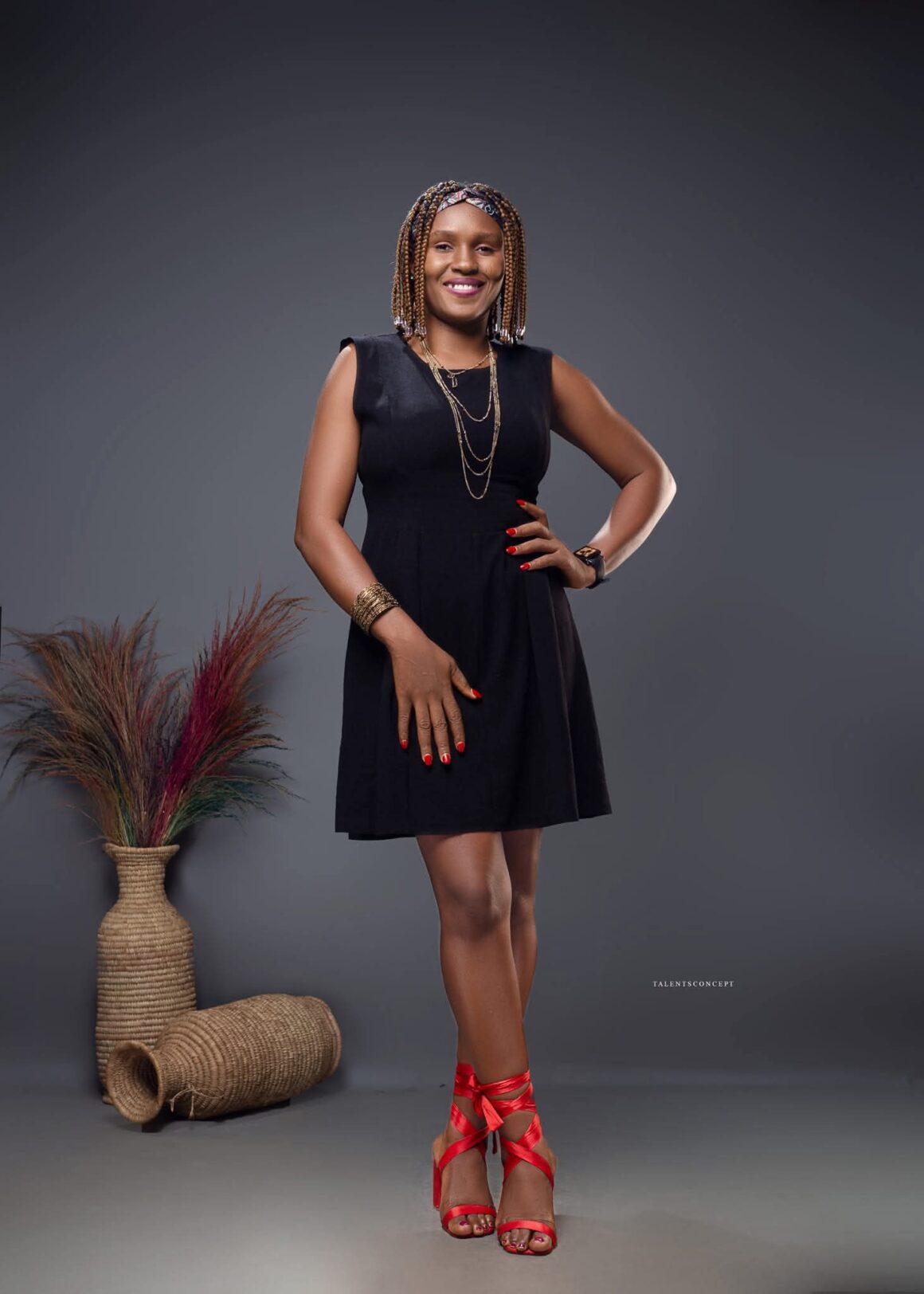
When Gloria Chiniere Okwu discovered a lump in her left breast in 2016, she could not have imagined that the diagnosis would eventually make her one of the most influential patient advocates in Nigeria.
Today, Gloria is a cancer survivor, patient navigator, and advocate who spends her days helping patients navigate a journey she once faced alone. But her path to advocacy was neither planned nor straightforward.
“It happened by accident after my diagnosis in March 2017,” she recalls.
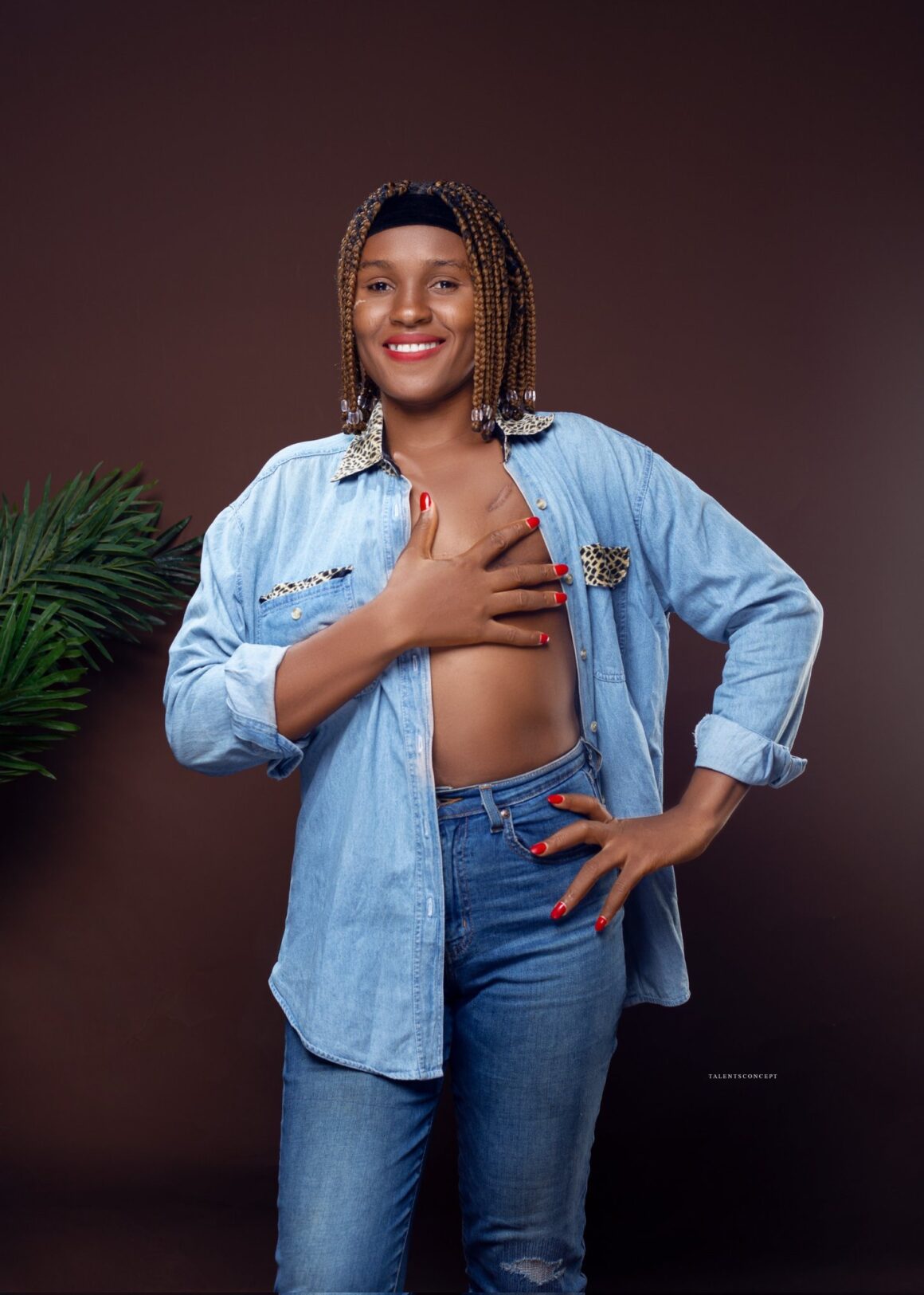
The diagnosis came after months of scans, mammograms, and ultimately a biopsy confirming breast cancer. She underwent a mastectomy almost immediately.
What followed, however, would shape the rest of her life.
Fear, Misinformation, and Isolation
After surgery, Gloria was advised to undergo chemotherapy and radiotherapy. She refused.
“I was told chemo could kill me,” she says. “And so I was afraid of chemo.“
There were financial barriers as well. Fresh out of university, she could not afford treatment. The mastectomy became the end of her treatment plan.
For a while. Sixteen months later, the cancer returned. New tumors appeared on her chest wall.
Again, doctors recommended chemotherapy and radiotherapy. Again, she refused.
Looking back, Gloria says one of the biggest problems was not the disease itself—it was isolation.
“I didn’t know anyone that could encourage me. I had not seen a cancer survivor.“
The one survivor she met offered little hope.
“Talking to her caused me grief instead of relief.“
Without guidance, she found herself making decisions alone.
“It was just me in my world, making all the decisions, making all the mistakes.“
“Asking myself if I was in the right place”
Desperate for alternatives, Gloria followed her aunt, who was also battling cancer, into the world of herbal remedies.
Together they sought treatment from a local healer.
Then tragedy struck. Three months later, her aunt died.
“That was a wake-up call for me to start asking myself if I was in the right place.“
As she reflected on her experience, she began noticing serious gaps in the care she had received outside the medical system.
Several tumors had been removed from her chest wall, but none had been sent for pathology.
“They don’t even know what a biopsy is and do not have the facility for it.“
The realization forced her to reconsider everything.
She returned to the hospital and finally agreed to chemotherapy.
“I made up my mind to do chemo, even though I was told it would kill me.”
The decision came exactly two years after her mastectomy.
Becoming the Person She Needed
During treatment, Gloria had an important realization.
If she had struggled so much to find reliable information, support, and hope, thousands of others were probably facing the same challenges.
“I understood what some other patients might be going through—not seeing patients like them to talk to, not knowing whom to advise them.”
She decided to share her story publicly.
“I was going to be a relatable face.“
She began posting on social media, openly discussing her diagnosis, treatment, fears, and lessons learned.
“I was going to share a relatable story so that people could see hope, could talk to me, share their burdens, and make better decisions.“
That decision marked the beginning of her advocacy journey.
Making Sure Nobody Walks Alone
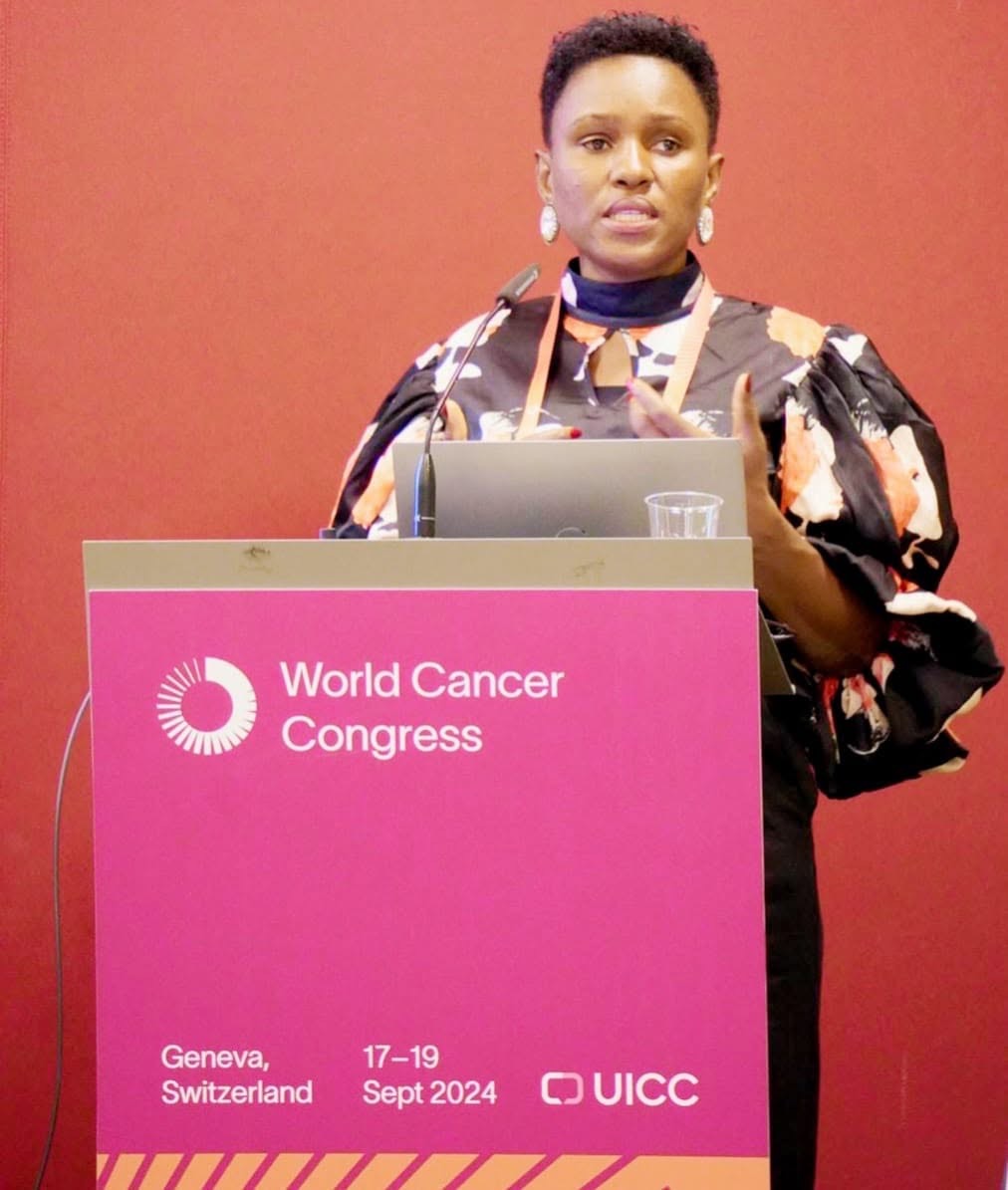
Today, Gloria’s work centers around a simple philosophy: “Nobody walks alone.”
As a patient navigator and advocate, she provides peer support, psychosocial support, and practical guidance for patients and families.
“Because I have lived the experience, I understand a lot of the challenges cancer patients face.”
She speaks frequently at conferences, community events, and awareness campaigns across Nigeria.
Prevention and early detection remain central to her mission.
“If I had the information I have now in 2017, I would have acted faster.“
She believes many patients suffer unnecessarily because of delayed diagnosis, stigma, and lack of awareness.
“When we keep telling these stories, people understand that cancer is like every other disease and people should not be stigmatized because they have cancer.“
When a Broken Machine Changes a Life
Gloria’s advocacy is not limited to patients. She also speaks openly about health-system failures.
When she was diagnosed, radiotherapy equipment that could have offered breast-conserving treatment was unavailable.
“If there was that machine at the time, I wouldn’t have a mastectomy. I wouldn’t lose my breast.”
For her, the issue is deeply personal.
Every missing machine, every delayed policy, every inaccessible treatment ultimately affects a real human being.
“I keep sharing this story to show our leaders how much they need to do and how much their lack of action can actually cost someone.“
Why Survivors Must Speak
Many survivors prefer to leave cancer behind once treatment ends.
Gloria understands that instinct.
Yet she consciously chose another path.
“It is very difficult. It is very, very difficult. But in this case, silence is not golden.“
She believes that reducing mortality, stigma, and emotional suffering requires open conversations.
“We must speak about it.“
She wants cancer to become something people can discuss without fear.
“We should talk about cancer to the point that everybody becomes comfortable hearing about cancer.”
Visibility matters.
“When they are diagnosed, they can easily say, ‘I know someone that has cancer that lives in my street, or in my church, or in my office.‘”
And then comes hope.
“And because this person is surviving cancer, I can survive.“
Her personal philosophy is simple but profound:
“We should turn this pain to gain for other people. That is what makes suffering meaningful.“
A Message to Policymakers
When asked what policymakers should prioritize, Gloria’s answer is direct.
“There should be access to medicines. There should be universal health coverage.”
Cancer treatment remains financially devastating for many Nigerian families.
“More than 65% are multidimensionally poor.”
“I don’t know how most of us are expected to treat cancer, myself included.“
She calls for stronger infrastructure, better financing, and deliberate investments in cancer care.
“There should be deliberate efforts to provide funding for cancer.“
A Message to Oncologists
Gloria also has a message for physicians.
First, she recognizes the enormous challenges they face.
“There were less than 90 oncologists” in Nigeria when she last checked.
Many continue leaving the country because of poor working conditions. But she also believes there is room for improvement.
“I would suggest placing a greater emphasis on empathy when interacting with patients.”
She still remembers how her diagnosis was delivered.
“It didn’t give me hope. It broke me.”
For Gloria, communication matters as much as treatment.
“Doctors need to show more empathy, more respect, and more dignity for patients.”
She also urges clinicians to listen more carefully.
“There are things we know that a doctor would never know. We live with this disease.”
Patients may appear well while experiencing severe symptoms.
“A patient can look very healthy, look very happy, and still be managing pain at a very high level.”
The Conversation Around Alternative Medicine
One of the most interesting points Gloria raises concerns alternative medicine.
She believes many patients use herbal remedies, but often hide this information from their doctors.
“They do not report these kinds of issues to the oncologists for fear of being scolded.“
She argues that hospitals should create environments where patients can speak honestly.
“Even when patients make mistakes, they should be able to tell an oncologist.“
Rather than ignoring these realities, she advocates for research.
“We should start having research to see how some of these medicines, roots, or herbs interact with mainstream treatment.”
“There has to be a synergy between doctors and patients.”
A Message to Patients
For patients currently facing cancer, Gloria’s message is one of hope.
“No matter how bad the story is, there’s always hope.“
“Stage four, stage three, stage two, stage one—it doesn’t matter. There’s always hope.”
She encourages patients to ask for help, remain connected, and continue living their lives.
“Don’t isolate yourself.”
“Keep doing what you love.“
“Never stop living.“
“You had a life before cancer. There is also life while battling cancer.”
The Growing Power of Patient Voices
Gloria is encouraged by the growing recognition of patient advocates around the world.
“I am glad that patient voices are being amplified.“
Increasingly, patients are being invited into discussions that shape research, policy, and care delivery.
“We are beginning to sit at the table.“
Her hope is simple: “The world could do more for patients so that everybody sits at this table to make decisions.”
For someone who once faced cancer alone, it is a fitting mission.
To ensure that the next patient never has to.
And perhaps that is the essence of Gloria Okwu’s work.
Turning pain into purpose.
Turning survival into service.
And making sure nobody walks alone.