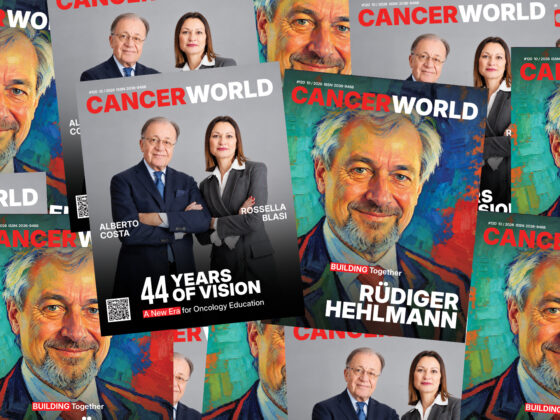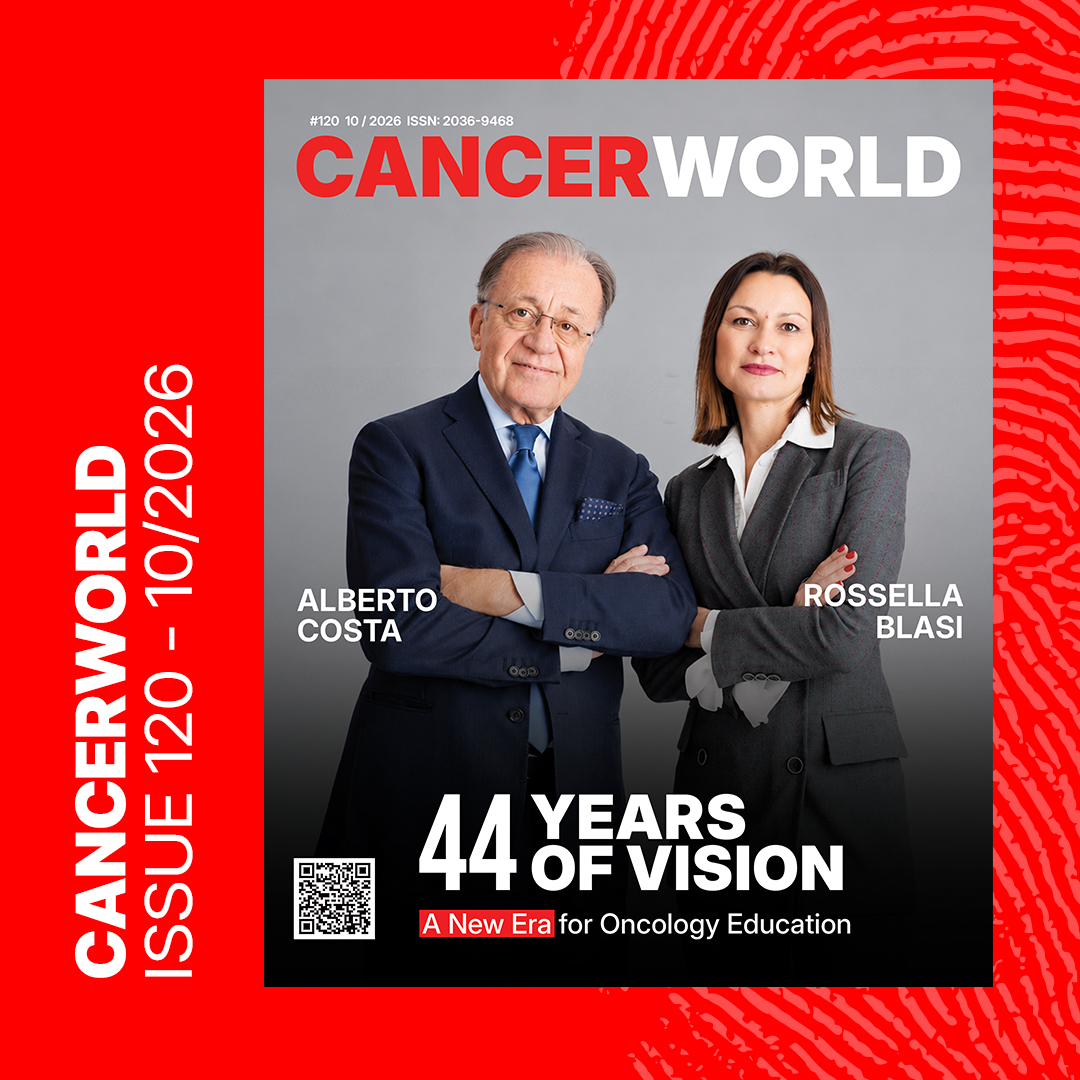
After more than four decades under the leadership of Alberto Costa, the European School of Oncology enters a new chapter with Rossella Blasi as CEO. The transition brings together the legacy of Umberto Veronesi’s founding vision and the challenge of preparing future generations of cancer professionals.
For more than four decades, Alberto Costa helped shape an institution built on a conviction: advances in cancer medicine matter only when knowledge reaches the professionals who care for patients. What began in Milan in 1982 as Umberto Veronesi’s vision grew into an international educational community connecting generations of oncology professionals.
Now, that institution is entering its major leadership transition.
On 8 October 2026, ESO announced the appointment of Rossella Blasi as CEO, succeeding Costa, who now serves as the Vice President and continues contributing his clinical, scientific and institutional experience.
Fedele Gubitosi remains President of ESO.
Blasi assumes leadership at a time when oncology is evolving rapidly, and when ensuring access to high-quality cancer education remains an essential challenge for healthcare systems across Europe and beyond.
The transition is more than a change in executive leadership. It is an opportunity to reflect on what has been built over four decades, what must be preserved and what the next generation of oncology professionals will need.
The Vision that Built a European Community
The story of ESO began in Milan in 1982, when Professor Umberto Veronesi and Princess Laudomia Del Drago established an institution dedicated to education and continuing professional development in cancer care.
Veronesi believed that progress against cancer depended not only on scientific discoveries but also on the ability to share knowledge, connect specialists and bring advances in research into everyday clinical practice.
His ambition was to create an educational center with a genuinely European outlook, bringing together expertise from different countries and encouraging collaboration beyond national boundaries.
Alberto Costa, then Veronesi’s assistant at the National Cancer Institute in Milan, was entrusted with leading the School.
Over the following decades, ESO developed into an international educational network, supporting oncology professionals through successive transformations in cancer medicine.
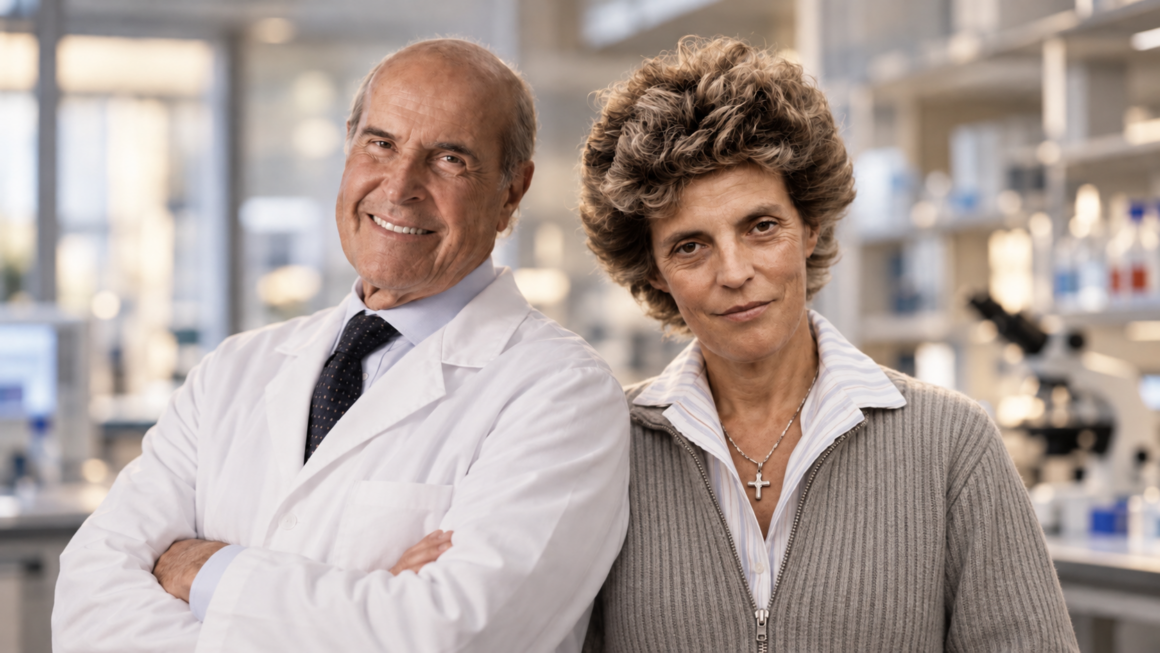
Professor Umberto Veronesi and Princess Laudomia Del Drago, whose shared vision and commitment led to the founding of the European School of Oncology in Milan in 1982
From advances in surgery, radiotherapy and systemic treatment to the emergence of precision oncology, immunotherapy and increasingly complex multidisciplinary care, the knowledge required to deliver high-quality cancer treatment has changed profoundly.
So too have the educational needs of the professionals responsible for providing it.
ESO has responded by developing courses, masterclasses, university programmes and advanced training placements at leading European cancer centers, supporting doctors, nurses and other healthcare professionals at different stages of their careers.
ESO’s seven-step educational pathway supports oncology professionals throughout their careers, from their first exposure to oncology as medical students through specialist training, advanced clinical education and postgraduate programmes, to leadership development.
In 2025 alone, ESO brought together more than 2,700 participants and over 600 faculty members from 53 countries, with women accounting for 43%.
Yet ESO’s significance cannot be measured by participation figures alone. Its contribution lies in the professional relationships, international exchange and opportunities for learning that have developed through its programmes.
For generations of oncology professionals, education has also meant becoming part of a wider community.
A Leadership Transition Across Generations
Few individuals have been as closely associated with ESO’s development as Alberto Costa.
From the institution’s earliest years, he has helped shape its educational direction, international collaborations and commitment to making oncology knowledge accessible beyond individual institutions and national borders.
His partnership with Umberto Veronesi was central to that journey. In a 2025 interview with CancerWorld, conducted by Dr Gevorg Tamamyan, Costa reflected on the close professional relationship that helped shape both his career and the institution they built together. He recalled that colleagues would sometimes confuse their names, referring to them as Alberto Veronesi and Umberto Costa, a reflection of how closely they worked together.
Their collaboration combined Veronesi’s scientific vision with Costa’s ability to build institutions and international connections. But Costa’s understanding of ESO’s mission extended beyond establishing educational programmes. It was also about taking knowledge to places where access to international oncology education could not be taken for granted.
He recalled how ESO deliberately brought courses to Sarajevo after the war and Belfast following the peace process, rather than concentrating its educational activities in established European centers such as Amsterdam or Brussels.
The same belief in making knowledge accessible helped shape CancerWorld itself. Costa recalled how the idea for the magazine emerged from conversations with his wife, Kathy, in Dublin, about bringing scientific advances to a wider professional audience. The initiative eventually evolved from an earlier publication, Cancer Futures, into CancerWorld under ESO’s umbrella.
Although CancerWorld is now part of the OncoDaily family, rather than ESO, its origins remain closely connected to Costa’s conviction that important developments in cancer medicine should be communicated beyond the pages of scientific journals. The magazine’s subsequent evolution reflects the continuing importance of that mission, even as the institutions responsible for carrying it forward have changed.
For Costa, the central concern was never simply passing on research findings. It was the people behind the science, the professionals trying to understand it and the patients whose care could be improved through that understanding.
His leadership has spanned more than four decades of extraordinary scientific progress, during which the possibilities of cancer treatment have expanded and the demands placed on oncology professionals have grown increasingly complex.
Yet, for Costa, one of the most meaningful measures of professional achievement has been the success of those he has taught and mentored. In the same interview, he described the satisfaction of seeing former colleagues grow into leadership positions, recalling how his deputies succeeded him in the departments he had led in Milan, Pavia and Lugano.
Even after stepping away from clinical practice, those former colleagues continued to turn to him for advice. He also recalled patients thanking him for having trained the doctors who would continue their care. For Costa, this was perhaps the clearest expression of a professional legacy: preparing others to carry the work forward.
The decision to appoint Rossella Blasi as CEO therefore carries particular historical significance.
It marks the transition from the generation that established and developed ESO to the leadership that will guide its next phase.
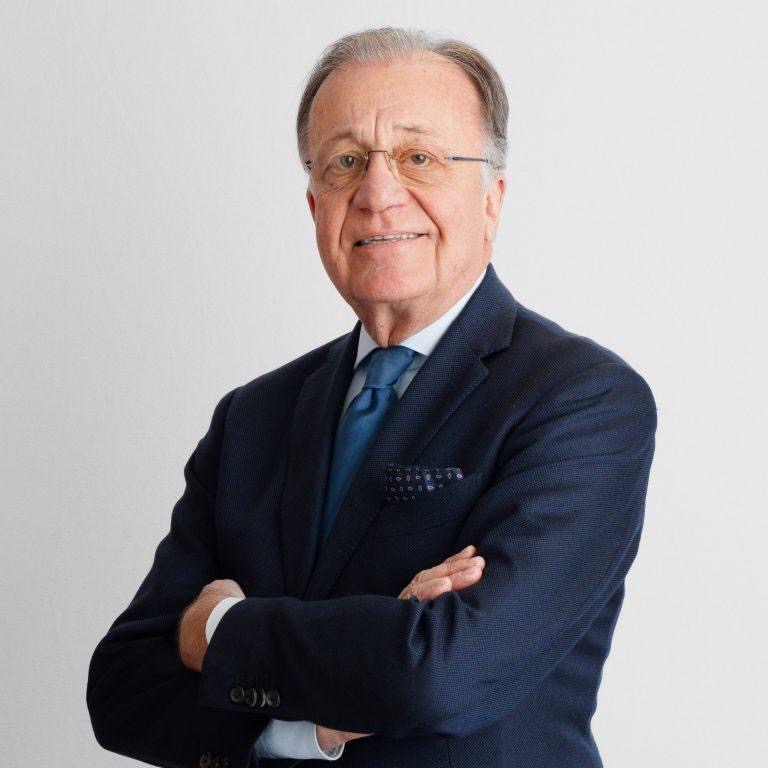
Dr Alberto Costa, who led the European School of Oncology for 44 years, from its foundation in 1982 until his transition to Vice President in 2026
For Costa, the change does not mean stepping away from the institution he helped build. As Vice President, he will continue supporting ESO’s scientific mission and contributing his experience to the development of future generations of oncology professionals.
His reflections on mentorship give this transition a deeper significance. Leadership, in Costa’s understanding, has never been solely about holding a position. It has also been about preparing others to take responsibility, creating opportunities for younger professionals and ensuring that the work continues beyond the individuals who began it.
For an institution built around the transmission of knowledge between generations, the handover of leadership carries a particular resonance. Costa spent much of his career preparing others to advance cancer care. Now, the institution he helped build must demonstrate that same capacity for renewal.
Reflecting on ESO’s 44-year journey in an exclusive conversation with CancerWorld, Dr Alberto Costa identifies accessibility as one of the institution’s most important achievements.
“I believe ESO’s most important contribution has been to make high-quality oncology education accessible across Europe, creating opportunities for generations of professionals to learn, exchange knowledge and grow together.”
For Dr Costa, the principles established by Umberto Veronesi remain essential to the School’s future.
“What must be preserved from Umberto Veronesi’s original vision is the belief that education can improve cancer care and that knowledge should cross borders.”
He believes ESO must continue to evolve while remaining independent, open and committed to the professionals caring for patients with cancer.
The handover itself carries a personal significance.
“After so many years, handing over the leadership of ESO is naturally an important and emotional transition. But it is also a sign of continuity and renewal.”
His confidence in Blasi reflects both their shared experience at ESO and his belief in the importance of allowing a new generation to lead.
“Rossella knows ESO deeply, its people, its values and its potential. I am confident that she will bring her own vision and leadership while preserving the principles on which the School was built. My new role as Vice President will allow me to continue supporting ESO while giving the next generation the space to lead its future.”
The Next Generation of Oncology Education
For Rossella Blasi, the appointment represents both a new responsibility and a continuation of her work within the institution.
Having previously served as ESO’s Executive Director since January 2023, she now assumes leadership of an organization supported by an international community of faculty members, partners, clinicians and young oncology professionals.
Blasi brings a professional background in research administration and institutional development. She began her career in oncology administration at the European Institute of Oncology before helping establish IFOM, the FIRC Institute of Molecular Oncology. There, she progressed to Chief Operating Officer in 2016, with responsibilities spanning organisational development, digital transformation, laboratory expansion and gender equality initiatives. Her work also earned her the 2018 TopLegal Award for HR Director of the Year.
This experience gives her appointment a significance beyond continuity. While Costa’s leadership was closely associated with the creation and international development of ESO, Blasi brings experience in managing scientific organisations, developing their infrastructure and navigating institutional change.
Her challenge will be to apply that experience to an educational institution whose future depends on responding to changing professional needs without losing the independence and international outlook that have defined its work.
Blasi’s appointment comes at a time when the challenges facing cancer education are changing.
Scientific advances are transforming diagnosis, treatment and clinical decision-making at an unprecedented pace. New therapeutic approaches, increasingly sophisticated technologies and the growing importance of multidisciplinary care require continuous learning throughout professional careers.
At the same time, opportunities for education and specialist training remain uneven, while healthcare systems face workforce shortages, resource constraints and growing demands on cancer services.
For educational institutions such as ESO, the challenge is not simply to provide more knowledge. It is to ensure that knowledge remains accessible, relevant and capable of improving clinical practice.
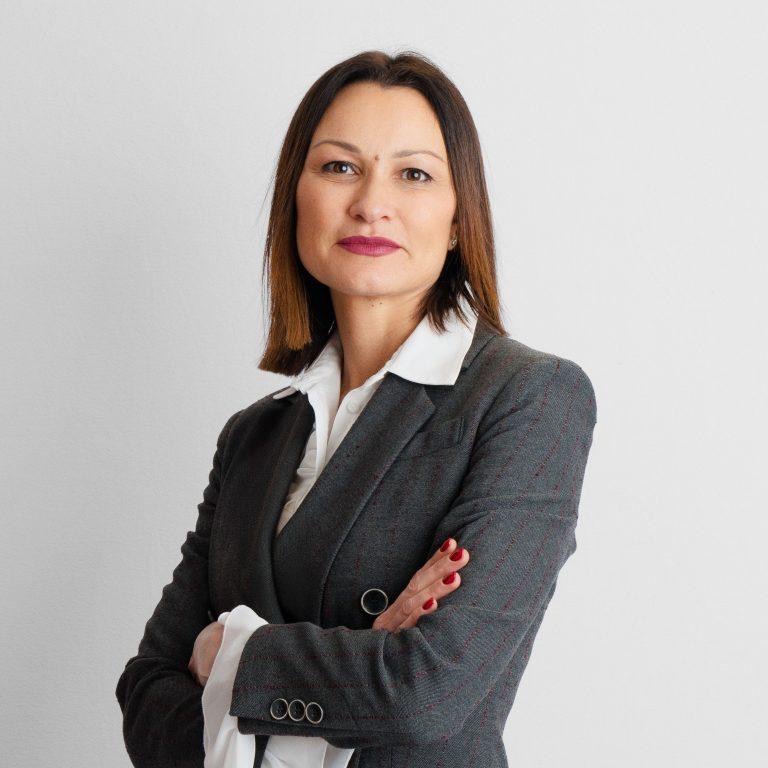
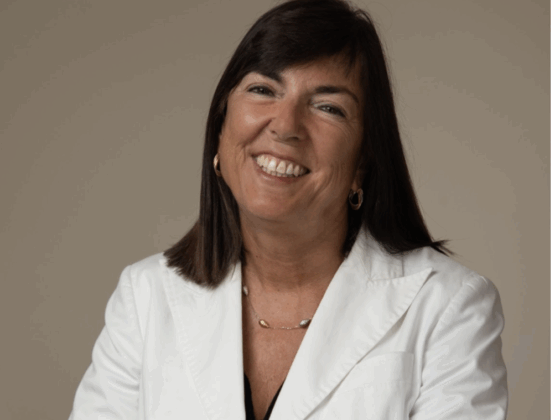
Rossella Blasi, appointed Chief Executive Officer of the European School of Oncology in October 2026, succeeding Alberto Costa after 44 years of leadership
Blasi has emphasised strengthening an independent and accessible educational offering that connects scientific knowledge, clinical practice and patients’ needs.
This ambition builds directly on the School’s founding mission while responding to the changing realities of modern oncology.
Speaking to CancerWorld about her vision for ESO’s next decade, Blasi places institutional strength, accessibility and measurable educational impact at the centre of her ambitions.
“My vision is for ESO to become stronger, more effective and capable of creating a lasting impact on cancer care. This means building on what we have achieved while ensuring that our educational programmes remain relevant, accessible and financially sustainable.”
Strengthening international collaboration and expanding opportunities for young oncology professionals, particularly those working in resource-limited settings, will be central to that vision. But Blasi also wants ESO to look beyond conventional measures of educational activity.
“I also believe we need to look beyond the number of courses we organise or participants we train. Our ambition should be to understand how education translates into better professional skills, new collaborations and improvements in everyday clinical practice.”
Her ambition is not simply institutional expansion, but a stronger connection between education and its impact on cancer care.
In the immediate term, Blasi intends to focus on strengthening ESO’s team, drawing on its internal expertise and establishing clear strategic priorities. Reviewing the educational portfolio, maintaining financial sustainability and developing international partnerships will also form part of her first-year agenda.
“To measure success, I would look at both organisational progress and educational impact: team engagement, progress against our strategic priorities, the sustainability of our programmes and our ability to reach professionals with limited access to training.”
She also emphasises the importance of following up with participants to understand how education influences their clinical practice and professional collaborations.
“For me, success at the end of the first year would mean having a motivated team, a clear direction and concrete evidence that our work is making a difference.”
A Mission that Remains Unfinished
The leadership transition at ESO comes at a defining moment for oncology education.
Cancer research continues to generate discoveries that would have been difficult to imagine when the School was founded in 1982. Yet scientific progress alone does not guarantee that patients will benefit equally from those advances.
Knowledge must reach the professionals responsible for delivering care. Training must evolve alongside clinical practice. And educational opportunities must extend beyond the institutions and countries where new approaches are first developed.
This is why the principles that inspired ESO’s creation remain relevant.
For young oncologists, access to international education and mentorship can influence the direction of an entire career. For experienced professionals, continuing education is essential to navigating the increasing complexity of cancer medicine. For healthcare systems, investing in professional development is an investment in the quality and sustainability of cancer care.
The appointment of Rossella Blasi, alongside Alberto Costa’s continuing contribution as Vice President, offers an opportunity to carry that mission forward.
Ultimately, this transition will be judged not only by the continuity it preserves, but by the opportunities it creates: whether more professionals gain access to high-quality education, whether previously underserved healthcare systems become better connected to international expertise, and whether ESO continues to evolve alongside cancer medicine.
In 1982, the ambition was to bring Europe’s oncology community closer together and ensure that scientific progress could become better care for patients.
Forty-four years later, the people leading that mission are changing. The questions facing them are different, the science is more complex and the possibilities are greater.
But the measure of success remains remarkably similar: not simply how much knowledge is created, but how widely it is shared and how many patients ultimately benefit.
The next chapter of ESO will be written by a new generation. Its purpose remains as relevant as ever.
About the Author
Knarik Arakelyan, PhD, is a psychologist and communications professional with over 14 years of experience in public relations, health communication, and public awareness campaigns. She is currently the Managing Editor of “CancerWorld“ magazine, Chief of Staff of OncoDaily, and serves as PR and Communications Officer at “EMERTÉ” Clinic.