There is a lot being said about the World Health Organization these days. Criticism. Political tensions. Funding crises. Countries leaving. Endless speculation about what WHO is, what it failed to do, and what it should become.
Some of that criticism is fair. No institution of this scale and complexity is perfect. WHO must evolve, become more agile, communicate better, and focus relentlessly on delivery and impact. But in the middle of all the noise, we risk forgetting something essential:
WHO is not a building in Geneva.
WHO is people.
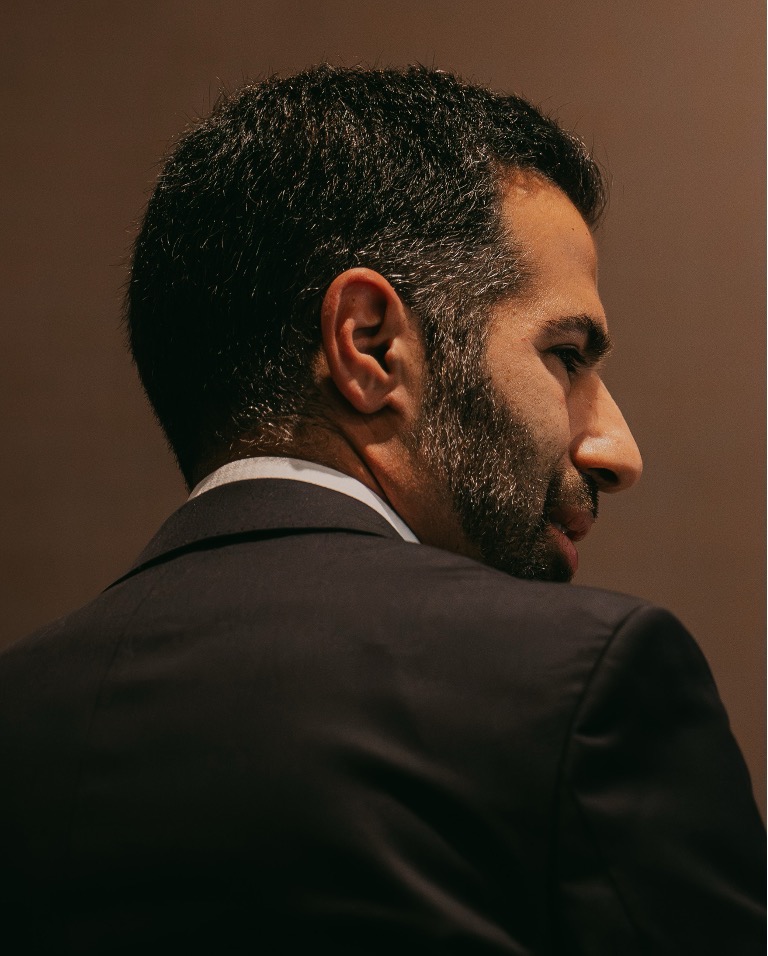
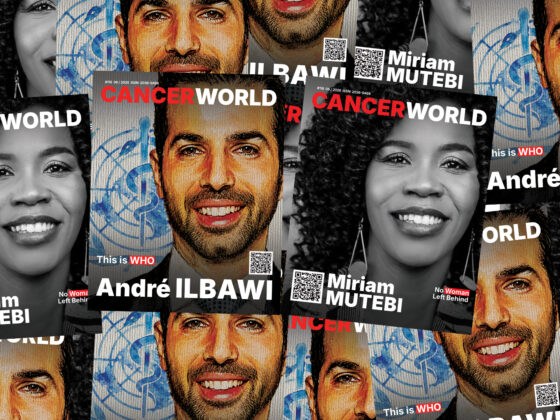
Dr. André Ilbawi
People who quietly devote their lives to improving the lives of others, often far away from cameras, recognition, or comfort.
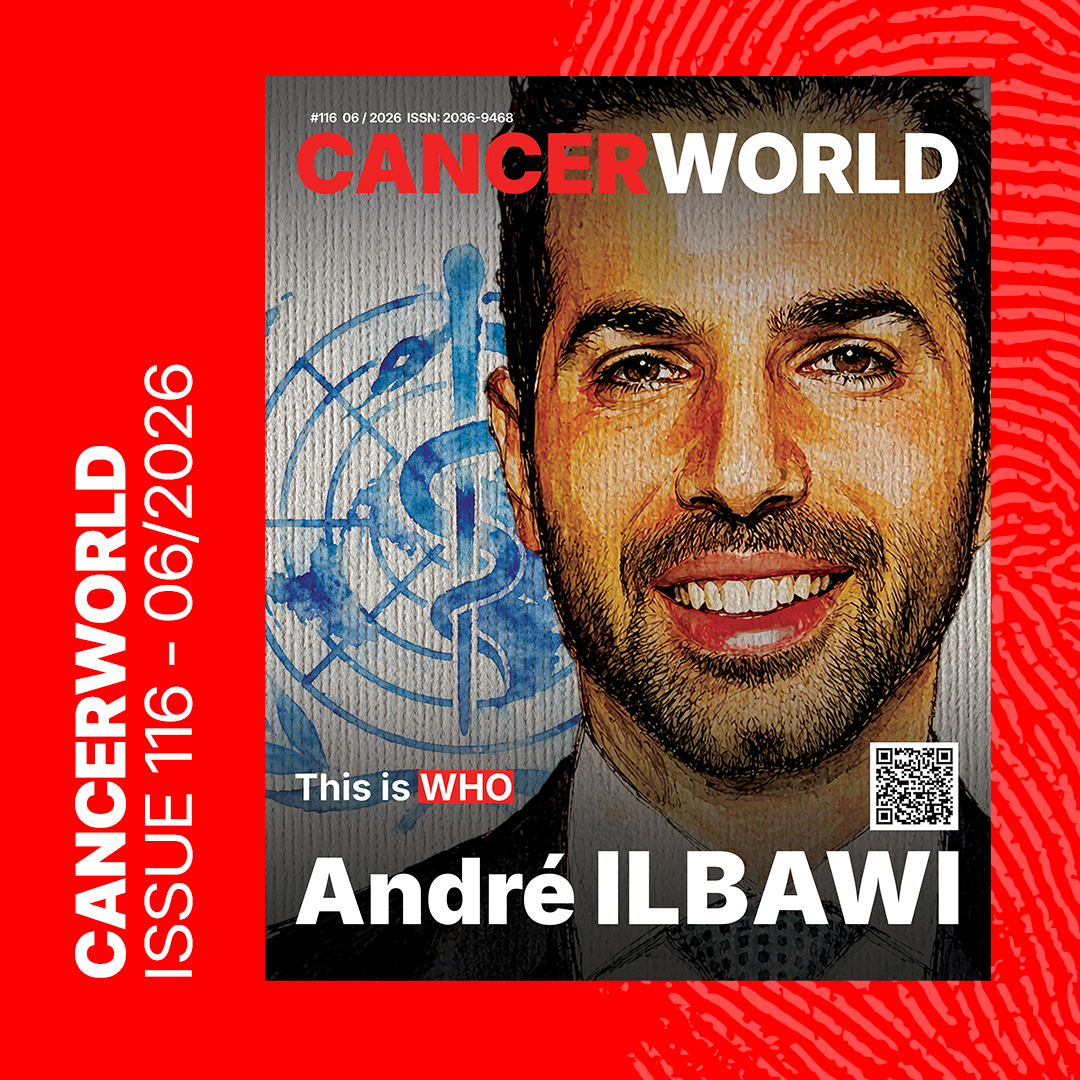
For me, one of those people is Dr. André Ilbawi.
André is the head of the cancer team at the World Health Organization. He is also my dear friend and colleague. But more importantly, he represents what WHO truly is when you see it up close—not through headlines, but through action.
He could have had a very different life.
A native of the United States, André graduated in bioengineering before receiving his M.D. from the University of Pennsylvania. He trained as a cancer surgeon at the University of Washington and at MD Anderson Cancer Center—places where exceptionally talented physician-scientists build remarkable careers, gain prestige, and often earn extraordinary salaries.
His future was bright and predictable.
But in 2015, André chose something else.
He joined WHO as a “technical officer.” To this day, I don’t like that title. What does it even mean? When people hear “technical officer,” they imagine paperwork and bureaucracy. They do not imagine a physician crossing conflict zones, shaping cancer policies for nations, helping ministries build systems, answering desperate midnight messages from colleagues across continents, or carrying the emotional burden of global inequity every single day.
Titles matter because they shape perception. And many people at WHO deserve titles that better reflect the weight of their mission.
What André actually became was something much bigger: a servant of global health.
Last year, I briefly met him in China during a congress. He stopped there only for a few hours between trips. For four consecutive days, he had not slept in a proper bed. He was constantly moving—from country to country, meeting after meeting, crisis after crisis—trying to move projects forward, solve problems, support governments, and help patients he would probably never meet personally.
At the same time, his wife was helping refugees from Gaza while living in Jerusalem with their children. This is the reality behind global health that people rarely see. Behind every exhausted WHO physician or officer, there are families carrying the burden alongside them.
André lives in constant motion. Jerusalem one day. Geneva the next. Africa, Asia, the Middle East after that. Yet somehow, he is always available.
You message him in the middle of the night—he replies.
You ask for help with an initiative—he connects people.
You send him a draft article—he reviews it carefully and gives thoughtful suggestions.
You propose an idea—he not only encourages it, but follows up weeks later asking what happened and how to move it forward.
He meets ministers and presidents, but he gives the same respect and attention to a young physician from a low-resource country trying to improve cancer care locally.
That is leadership.
Not leadership built on visibility, but leadership built on service.
One of the biggest misconceptions about WHO is that people think its work happens only through declarations, assemblies, and resolutions. Those things matter, of course. WHO’s normative power and convening authority are unique and irreplaceable. But the true heartbeat of WHO is on the ground: helping countries vaccinate children during wars, supporting fragile health systems, improving cancer treatment pathways, strengthening screening programs, negotiating access to medicines, responding to outbreaks, training health workers, and quietly preventing catastrophes the world never even notices.
When WHO succeeds, the result is often invisible.
A disease outbreak that never spreads.
A child diagnosed earlier.
A treatment guideline implemented correctly.
A ministry making a better decision because someone from WHO helped them analyze the evidence.
Millions of lives are touched by work most people will never see.
And perhaps that is part of the problem.
WHO has extraordinary people, but the world often does not hear their stories. In today’s era of misinformation and distrust, impact that remains invisible cannot build trust. We must communicate global health differently—not as abstract institutions, but through the real human beings carrying this mission forward under immense pressure.
People like André.
In my own vision for WHO’s future, I often say that WHO should focus on what only WHO can do: convene, coordinate, guide, and empower the world toward better health. But to do that successfully, we must also empower WHO’s own people, reduce unnecessary bureaucracy, support execution, and communicate impact clearly and honestly.
Because the world must continue to have WHO.
Not a perfect WHO.
Not a politicized WHO.
But a stronger, more agile, more human WHO.
And when we debate the future of the organization, let us remember the individuals behind it—the physicians, scientists, public health workers, emergency responders, and technical experts who sacrifice comfort, stability, and often family life in order to improve the lives of strangers across the globe.
When I think of WHO, I think of André Ilbawi.
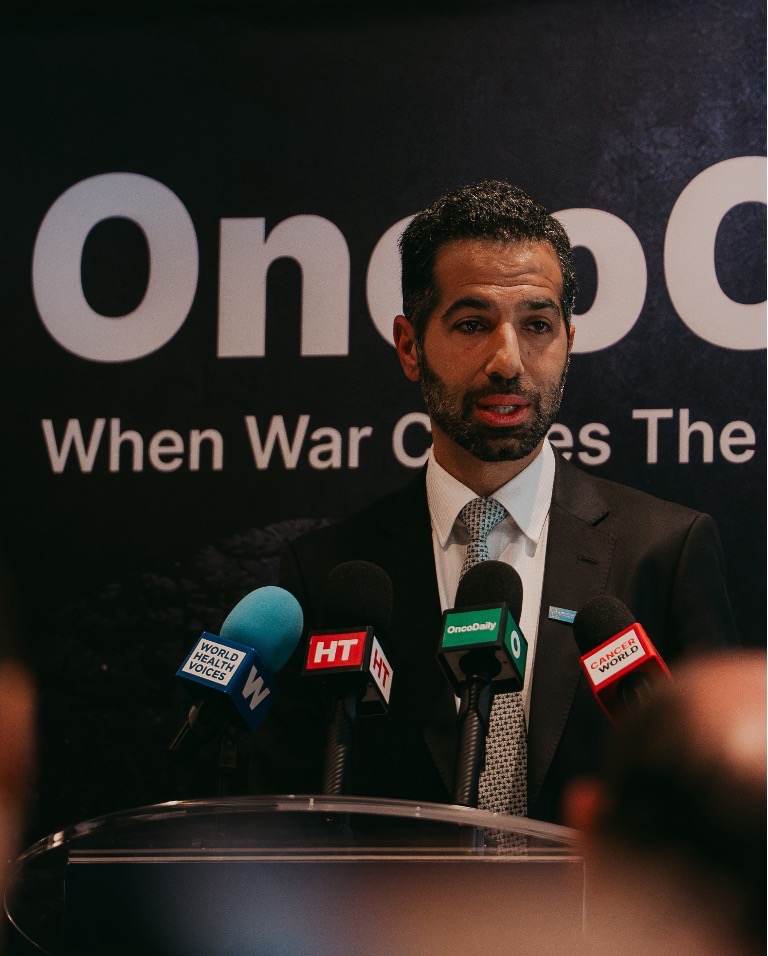
André Ilbawi, OncoCorridor, May 18, 2026 | Geneva
And I know there are many others like him.
We should criticize institutions when necessary. We should demand better systems, faster delivery, and greater accountability. But we should also recognize and support the remarkable people dedicating their lives to global health.
Because they are not just working for WHO.
They are working for all of us.