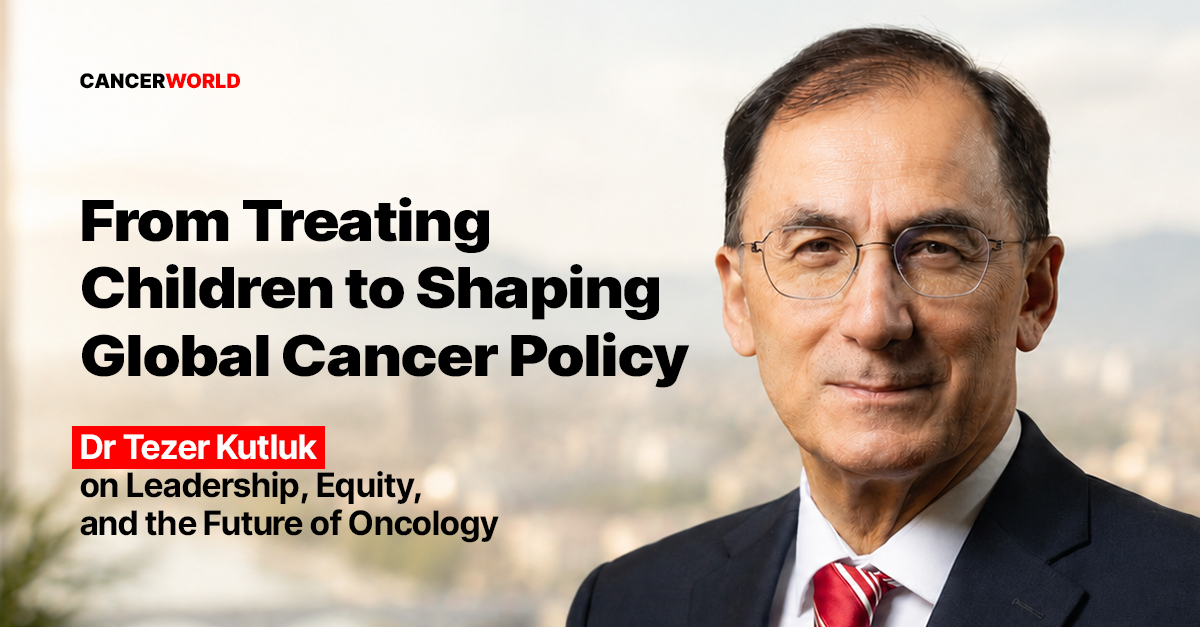
Over four decades, Dr Tezer Kutluk, Scientific Director of Medicana Health group and Chair of the Department of Pediatric Oncology at Medicana Hospitals, Turkey, has witnessed the transformation of cancer care—from the early days of pediatric oncology to the era of precision medicine and artificial intelligence. Along the way, he moved beyond the bedside to help shape institutions, influence global cancer policy, and advocate for equitable access to care. In reflecting on a career spanning clinical medicine, leadership, and international advocacy, he argues that the greatest challenge facing oncology today is not scientific innovation, but ensuring that its benefits reach everyone.
Sometimes a career changes not because of a breakthrough, but because of a question. For Dr Tezer Kutluk, that question emerged while caring for children with cancer.
Having completed postdoctoral training at MD Anderson Cancer Center in Houston and returned to Türkiye to join Hacettepe University, Kutluk was building a career in pediatric oncology at one of the country’s leading referral centres.
In the pediatric oncology wards of Hacettepe University, difficult conversations were part of daily life. Families arrived carrying fear, hope, and questions that rarely had simple answers.
The work was intellectually demanding, emotionally challenging, and profoundly meaningful.
Over time, another question began to emerge.
“How many patients can I help in a year? How many children and families can I truly impact?”
The answer would shape the course of his career.
While patient care remained the foundation of his professional identity, Kutluk gradually realised that improving outcomes for children with cancer required far more than excellent medicine. It required stronger health systems, effective national programmes, better policies, and institutions capable of delivering quality care consistently and equitably.
Looking back, he does not describe a single defining moment. Rather, it was a gradual understanding that medicine’s impact could extend far beyond individual patients.
“Helping one patient at a time, while essential, would never be enough if we wanted to improve the lives of all children affected by cancer.”
That conviction would eventually lead him from hospital wards to national cancer strategies, from academic leadership to international advocacy, and ultimately to the floor of the United Nations General Assembly.
Lessons from Children and Families
Long before his work took him onto the international stage, Kutluk was first and foremost a pediatric oncologist.
Those years left an enduring mark.
Although he describes himself as naturally pragmatic rather than emotional, he credits his patients and their families with teaching him some of the most important lessons of his life. They taught him empathy. They taught him resilience. They taught him what courage looks like when uncertainty becomes part of everyday life.
Yet when discussing courage, he rarely speaks only about the children.
Again and again, he returns to the parents.
He witnessed families navigating prolonged treatments, difficult decisions, and periods of profound uncertainty while somehow maintaining hope. Their trust became both a responsibility and a source of strength.
“I have witnessed extraordinary courage in the face of uncertainty, remarkable resilience during long and difficult treatments, and an enduring sense of hope even in the darkest moments.”
Those experiences strengthened his commitment to medicine and reinforced a belief that would remain central throughout his career: healthcare is ultimately built on human relationships. Science matters. Technology matters. But trust matters too.
Learning Excellence at MD Anderson and Hacettepe
Kutluk’s years at MD Anderson Cancer Center exposed him to a culture of multidisciplinary care, research excellence, and innovation that would profoundly influence his thinking.
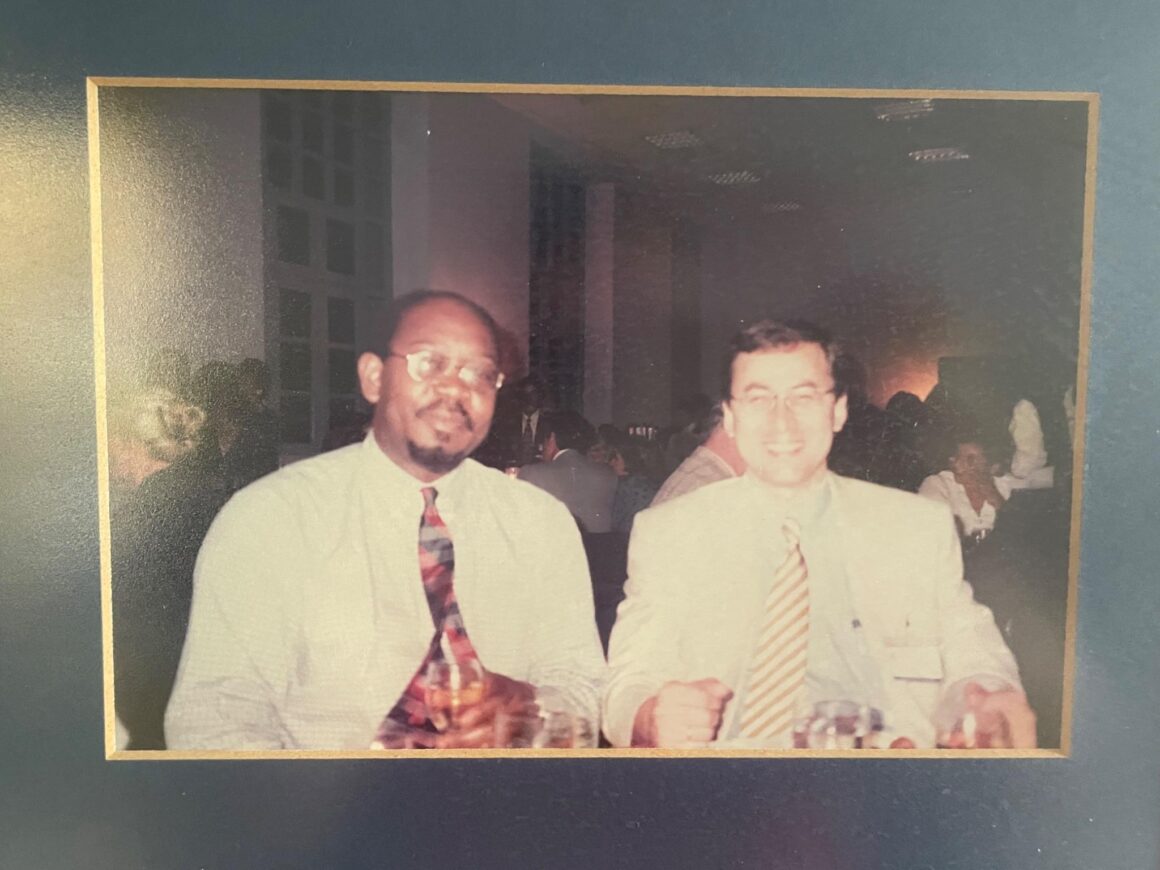
MD Anderson Cancer Center mentor Francis Ali Osman
Returning to Türkiye, he brought with him not only clinical expertise but also a broader vision of how institutions can transform healthcare.
At Hacettepe University, he found an environment equally committed to excellence. The influence of the university’s founder, Professor İhsan Doğramacı, was particularly important. One of Doğramacı’s guiding principles—“Toward the best, ever further”—became embedded in the institution’s culture and left a lasting impression on generations of physicians.
Over time, Kutluk came to understand that patient outcomes are shaped long before a physician enters the room. Universities train the workforce, hospitals establish standards of care, professional societies spread knowledge, and health systems determine who receives treatment.
That realization gradually drew him beyond clinical practice. What interested him was not authority, but the opportunity to improve the systems on which patients depend.
“Leadership is not about titles—it is about creating value for people and institutions.”
Throughout his career, mentors and role models played an equally important role. Senior colleagues entrusted him with greater responsibilities and, in the process, taught him lessons about integrity, service, and long-term thinking.
Their influence reinforced a lesson he would carry throughout his career: meaningful progress depends on teams, not individuals.
Witnessing a Revolution in Oncology
Few physicians have witnessed such sweeping changes in oncology as Kutluk.
When he entered medical school, advanced imaging technologies were scarce, molecular diagnostics were unavailable in routine practice, and precision medicine belonged largely to the realm of imagination.
Over the following decades, he witnessed the arrival of modern antivirals, monoclonal antibodies, targeted therapies, immunotherapy, advanced imaging technologies, molecular diagnostics, and increasingly sophisticated approaches to understanding cancer biology.
Yet when asked to identify the most important breakthrough, he does not point to a single drug or technology.
Instead, he points to a deeper revolution.
“The greatest breakthrough has not been a single drug or technology, but our growing understanding of the molecular basis of cancer.”
That understanding transformed everything. It enabled precision medicine, targeted therapies, molecular diagnostics, and increasingly personalised approaches to treatment.
Equally important were advances in supportive care, which made curative therapies safer and more effective.
And perhaps most significantly, progress accelerated through collaboration. International cooperative groups and multinational clinical trials transformed pediatric oncology into one of the most collaborative fields in medicine.
The results have been extraordinary. Childhood cancer, once frequently fatal, is now curable for the majority of children in many parts of the world.
Beyond Discovery: The Challenge of Implementation
Yet scientific progress alone does not guarantee better outcomes.
As Kutluk’s work expanded from hospitals into national and international cancer control, he became increasingly aware of a persistent gap between what medicine knows and what health systems deliver.
The challenge, he realised, is not only discovery, but implementation.
Around the world, effective interventions often exist long before they reach the people who need them. Screening programmes, vaccination campaigns, early diagnosis initiatives, essential medicines, and evidence-based treatments can save lives, but only if health systems are capable of delivering them.
This insight became a defining theme of his work.
For Kutluk, implementation science is not an abstract academic concept. It is the practical bridge between scientific discovery and patient benefit.
Cancer as a Societal Challenge
His leadership roles within the Hacettepe University, the Turkish Association for Cancer Research and Control, the European Cancer Leagues, and later the Union for International Cancer Control fundamentally changed how he viewed cancer.
As a young physician, he saw cancer primarily as a medical problem.
International experience revealed a more complex reality.
Cancer is also a social, economic, and political challenge.
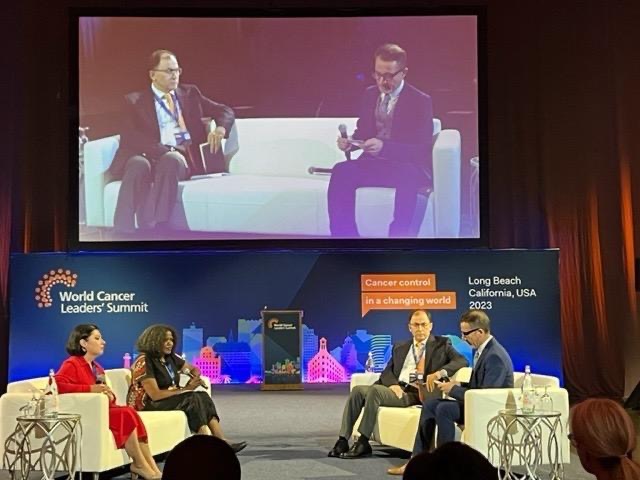
World Cancer Leaders Summit, 2023
Across the world, outcomes are shaped not only by biology and treatment, but also by education, geography, income, public policy, and healthcare access.
Years of work across national, European, and global organisations convinced him that cancer reflects both the strengths and weaknesses of societies themselves.
“Cancer control is ultimately a societal responsibility.”
Improving outcomes therefore requires more than scientific advances. It requires effective public policy, strong health systems, international collaboration, and a commitment to reducing inequities.
Taking Cancer to the United Nations
The landmark 2011 United Nations High-Level Meeting on Non-Communicable Diseases represented a turning point in global health. For the first time, cancer and other non-communicable diseases were elevated to the agenda of the General Assembly.
Three years later, he stood before the United Nations General Assembly as a representative of civil society, carrying a message that had become central to his work.
His message was simple.
“Commitments must lead to action.”
Political declarations alone would not save lives. Progress required accountability, sustained investment, stronger health systems, and political commitment.
For Kutluk, the moment symbolised something larger: recognition that cancer is not simply a medical condition, but a major public health and development challenge.
Equity: The Defining Challenge
Despite extraordinary scientific progress, Kutluk believes global oncology remains defined by a single unresolved issue.
Equity.
Low- and middle-income countries bear a disproportionate share of the global cancer burden, while possessing access to only a fraction of global healthcare resources.
Recent crises, including pandemics, economic instability, natural disasters, and armed conflicts, have widened existing disparities even further.
“The challenge in oncology today is no longer only scientific. It is also a challenge of equity.”
Science is available. Many of the solutions already exist.
Yet barriers related to affordability, geography, workforce shortages, infrastructure, and health-system capacity continue to prevent millions from benefiting.
As Kutluk often reminds audiences: “The question is not simply whether we can develop better treatments, but whether every person has access to the benefits of modern cancer care.”
The Future of Innovation
Kutluk remains optimistic about the future.
Precision medicine, advanced molecular diagnostics, immunotherapy, and artificial intelligence all hold enormous promise.
Artificial intelligence, in particular, may reveal patterns and solutions that are currently beyond human perception.
Yet he cautions against unrealistic expectations.
“The most important question is not what these technologies can do, but who will benefit from them.”
Without deliberate efforts to expand access, innovation risks becoming another source of inequality.
Investing in Childhood Cancer
One of the greatest misconceptions about childhood cancer, he argues, is that it is too rare to deserve priority.
Such reasoning overlooks its immense societal impact.
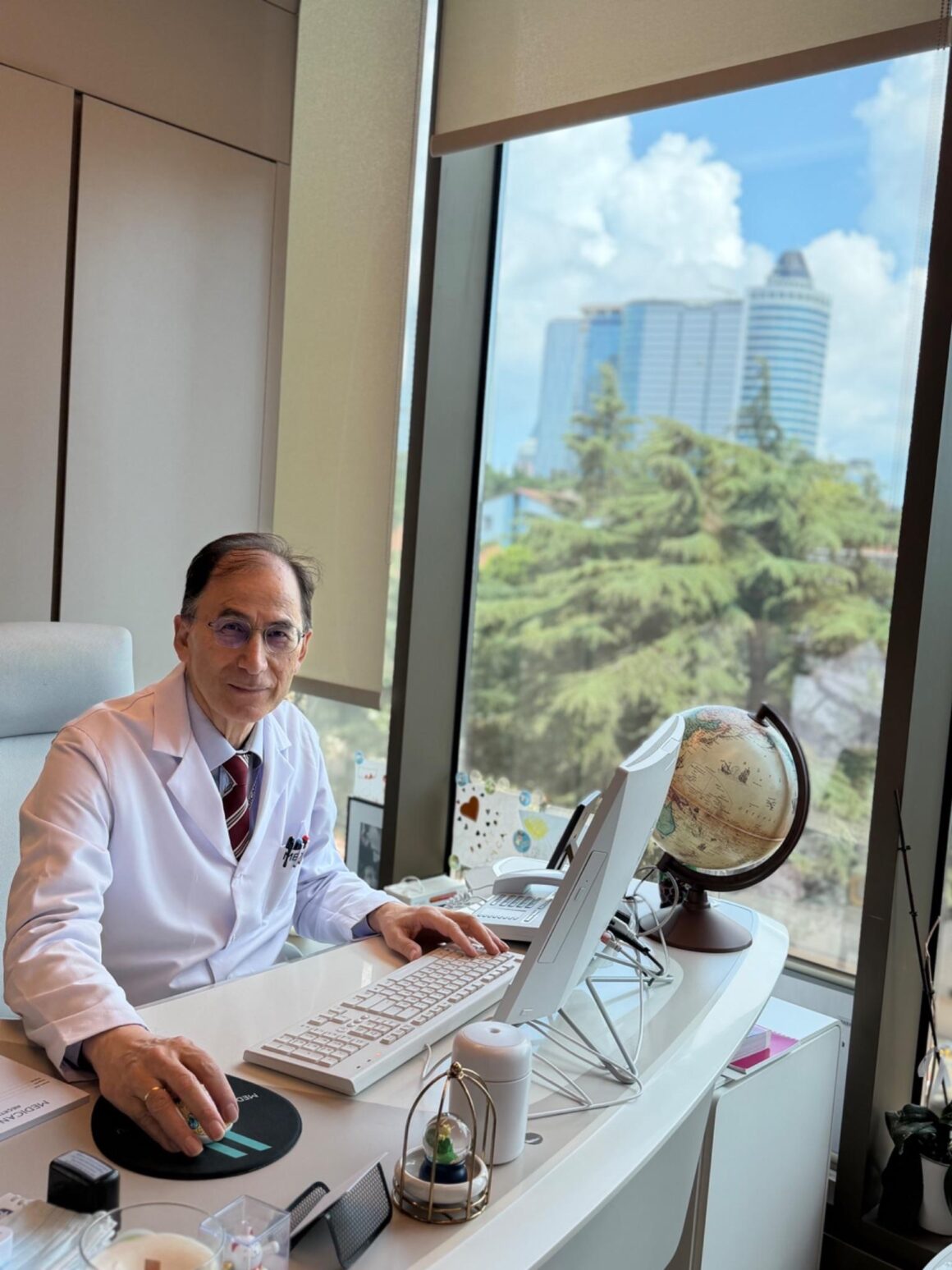
At the Hospital
Every child cured gains decades of productive life. Every child lost represents a lifetime of unrealised potential.
For that reason, investing in childhood cancer is ultimately an investment in society’s future.
“The challenge is not whether childhood cancer can be cured, but whether all children have equitable access to timely diagnosis and effective treatment.”
Mentorship and Legacy
Having mentored generations of physicians, researchers, and healthcare leaders, Kutluk has spent considerable time reflecting on what distinguishes those who create lasting change.
Intelligence matters. Creativity matters. Critical thinking matters.
But lasting impact depends equally on passion, responsibility, hard work, integrity, and collaboration.
Above all, leadership carries obligations.
“Leadership is not a privilege of authority, but a responsibility toward the people and communities we serve.”
Lasting progress depends on people willing to invest in training, mentorship, and the long-term development of healthcare systems.
After four decades in medicine, research, administration, and advocacy, the achievements that matter most to him are not prestigious titles or international recognition.
They are the former students now guiding cancer programmes of their own, the organisations that continue to grow, and the patients whose lives were altered by better care.
“The deepest sense of fulfillment comes from seeing the lasting impact of what you have done on people, institutions, and society.”
A Legacy for the Next Generation
Asked what legacy he hopes future oncologists will associate with his generation, Kutluk’s answer returns to a recurring theme.
He hopes they will remember a generation that helped place cancer firmly on the global health agenda, strengthened health systems, promoted implementation science, and recognised that scientific innovation alone is not enough.
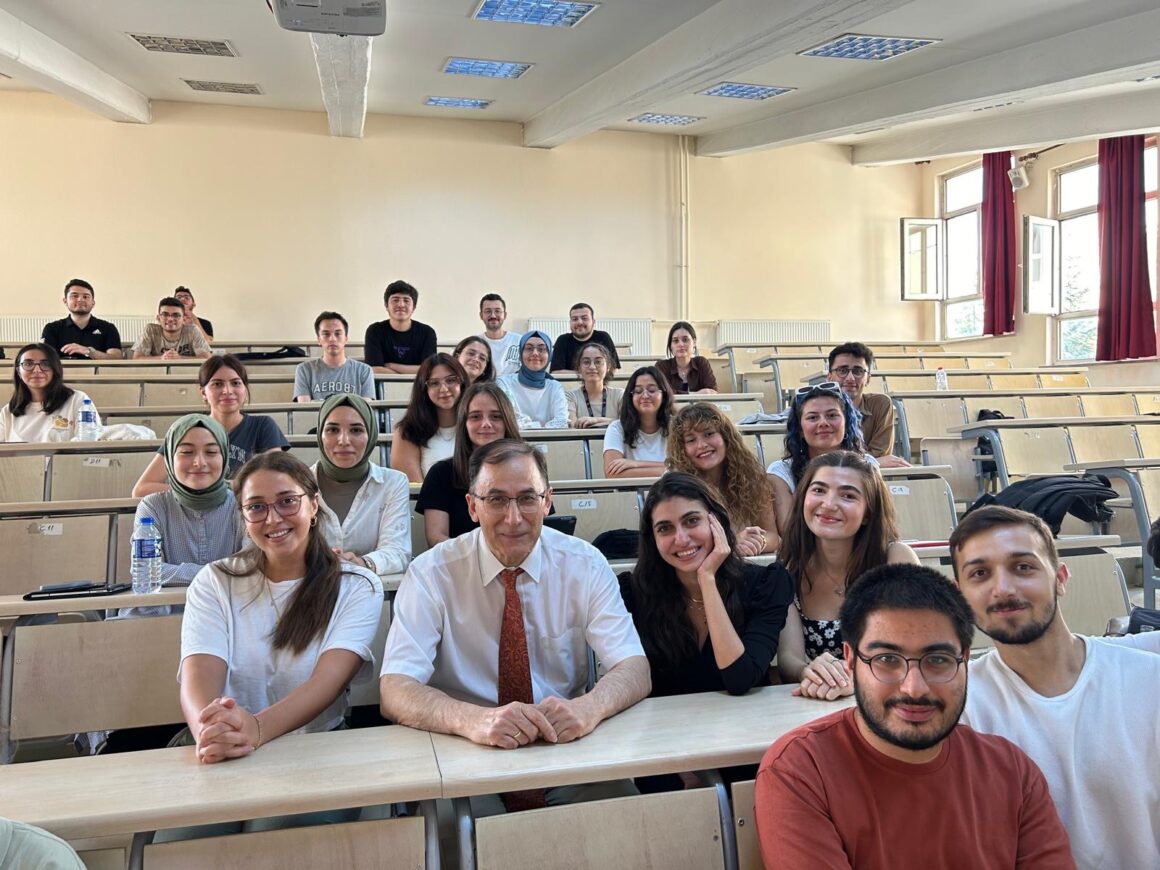
Prof Kutluk with Medical School Students at Hacettepe University
The ultimate challenge has always been ensuring that progress reaches everyone.
As he reflects on four decades of medicine and leadership, one principle remains unchanged:
“When opportunity knocks on your door, you must be there to answer it.”
Perhaps that philosophy explains the extraordinary breadth of Dr Tezer Kutluk’s career. Across the decades, he has answered opportunities to heal, to teach, to lead, to advocate, and to build.
The arc of his career mirrors the evolution of oncology itself—from an era focused primarily on treatment to one increasingly concerned with systems, access, and equity.
Scientific breakthroughs may shape the future of cancer care. Their true value, however, will be measured by a simpler question: Who benefits from them?
About the Author
Knarik Arakelyan, PhD, is a psychologist and communications professional with over 14 years of experience in public relations, health communication, and public awareness campaigns. She is currently the Managing Editor of “CancerWorld“ magazine, Head of the “OncoDaily TV,” and serves as PR and Communications Officer at “EMERTÉ” Clinic.