In a breast clinic in Africa, fear often arrives before diagnosis.
Women arrive convinced they have cancer. Some have discovered a lump only days earlier; others have lived with symptoms for years. Many have never been taught breast awareness. Others arrive after long journeys through delayed referrals, fragmented systems, or months of trying to access care they could not afford or navigate.
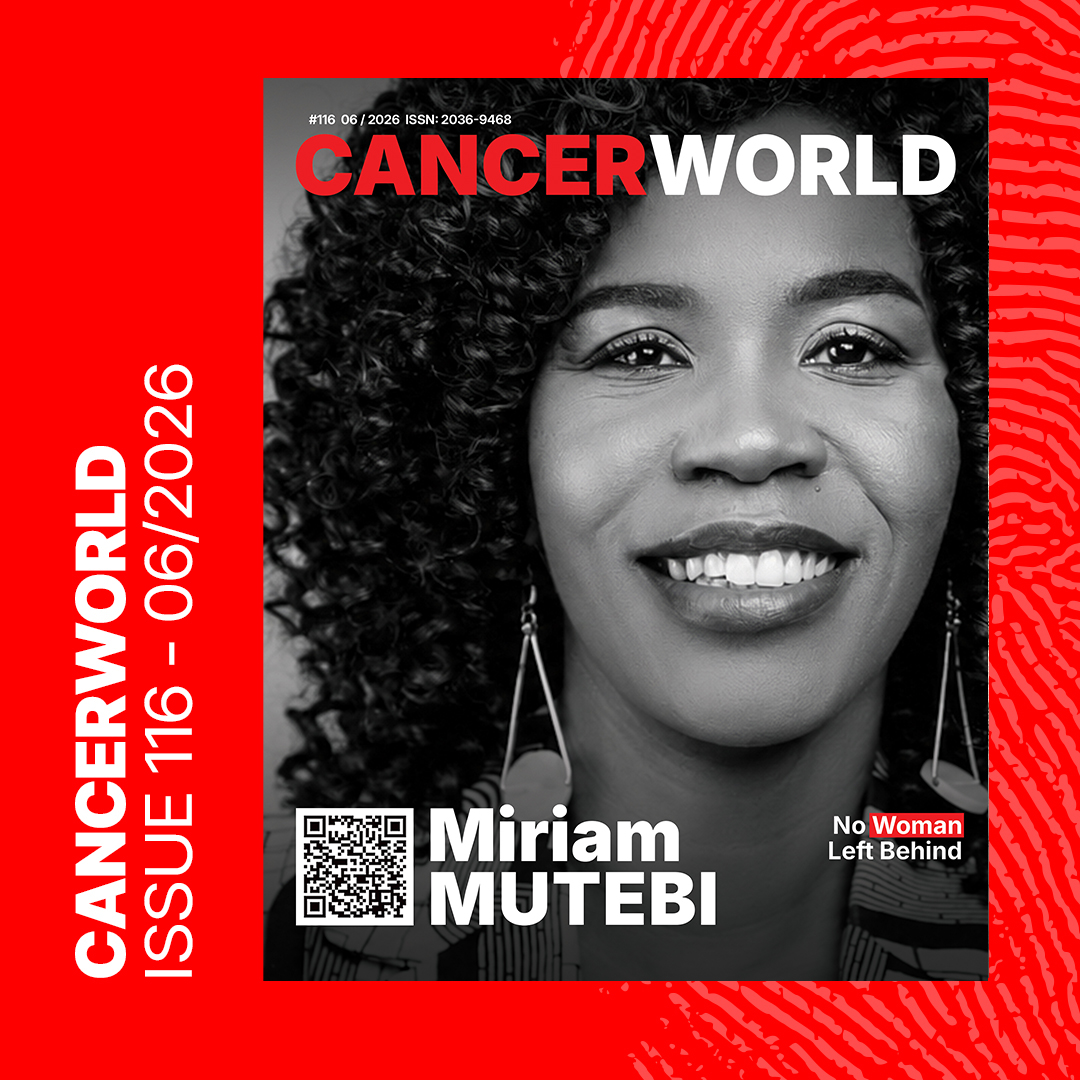
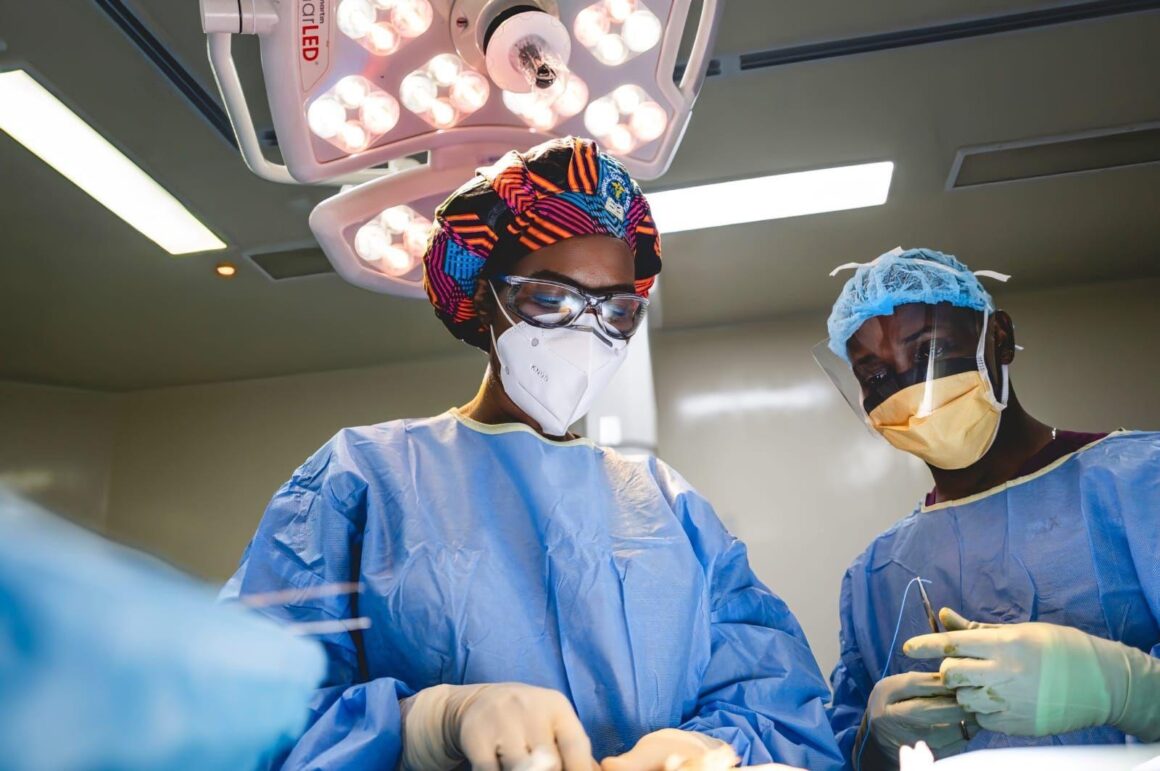
For Dr Miriam Mutebi, these encounters are not peripheral to oncology. They are at the heart of oncology.
“Breast surgery is deeply human work,” she says. “Sometimes you are offering a cure. Sometimes you are breaking devastating news. Sometimes you are simply reassuring someone they are not alone.”
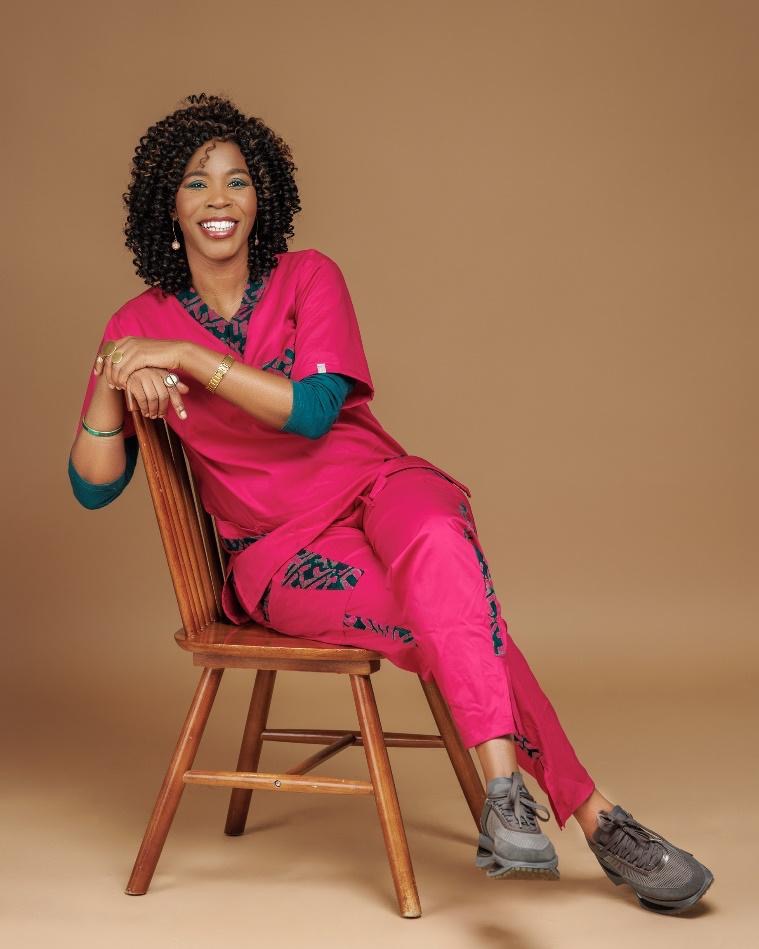
A Consultant Breast Surgical Oncologist and Health Systems Researcher at Aga Khan University Hospital, Miriam Mutebi’s work sits at the intersection of clinical care, health systems and global oncology. She is a former President of African Organization for Research and Training in Cancer and Kenya Society of Hematology and Oncology, a Board Member of Union for International Cancer Control, and co-founder of Pan African Women’s Association of Surgeons. In 2024, she received the American Society of Clinical Oncology Humanitarian Award.
But titles, she insists, are not the story.
People, and the systems that serve them, are.
Actions, Hands, Presence
Mutebi’s path into medicine was shaped by a dual pull: scientific curiosity and human proximity. Medicine offered both.
Surgery, she recalls, added immediacy.
“It is action-oriented. Your judgment, your hands, your communication — everything matters at once.”
Yet over time, the questions that occupied Mutebi increasingly extended beyond the operating theatre. The more patients she treated, the more she realized that outcomes were shaped long before a woman reached surgery; by awareness, access, referral pathways, diagnosis and the systems surrounding care.
Breast oncology quickly expanded beyond technical precision. It demanded engagement with identity, fertility, sexuality, motherhood, work, stigma, and survival; often simultaneously.
One encounter remains vivid: a 67-year-old woman who came in fearing her breast pain was due to cancer. Her examination and mammogram were normal.
“We had an opportunity to review her mammogram, talk about breast health and show her how to perform a breast self-examination,” Mutebi recalls.
“When she left, she said, ‘I feel empowered,’” Mutebi recalls. “That moment felt like care had already happened.”
In many African settings, breast or women’s health clinics become the first place where women feel safe enough to speak. Once they do, clinical encounters expand far beyond cancer.
“You realize many have not engaged with the health system for years,” she says. “The clinic becomes a place for education, reassurance and helping people navigate what comes next”
When Cancer is Not Biology Alone
The turning point in Mutebi’s thinking came from the widening gap between textbook oncology and lived reality.
Training framed breast cancer as a disease of older women with predictable risk profiles. Clinical practice told a different story.
Younger women. Breastfeeding mothers. Presentations that did not fit expected narratives. Gradually, one conclusion became unavoidable.
“Patients are not experiencing cancer as biology alone,” she says. “They are experiencing the realities of health systems.”
Those care pathways and structures determine what happens next: delays in diagnosis, fragmented referrals, unaffordable care, broken pathology pathways, and unreliable treatment access.
Patients often move through multiple providers and fragmented referral pathways before diagnosis. Pathology results may take weeks. Radiotherapy machines often fail. Treatment is interrupted or never completed.
“Cancer is not waiting for patients to raise money for pathology,” she says.
Even with highly skilled clinicians, fragmented systems distort outcomes.
“You can have excellent clinicians,” she adds, “but still be constrained by broken pathways.”
Patients fall through gaps between diagnosis and treatment, surgery and systemic therapy, chemotherapy and radiotherapy. Some are incorrectly told they are cured after surgery. Others discontinue care under logistical and financial strain.
Increasingly, patients become coordinators of their own survival.
“That burden is exhausting,” she says quietly.
The Cost of Not Being Heard
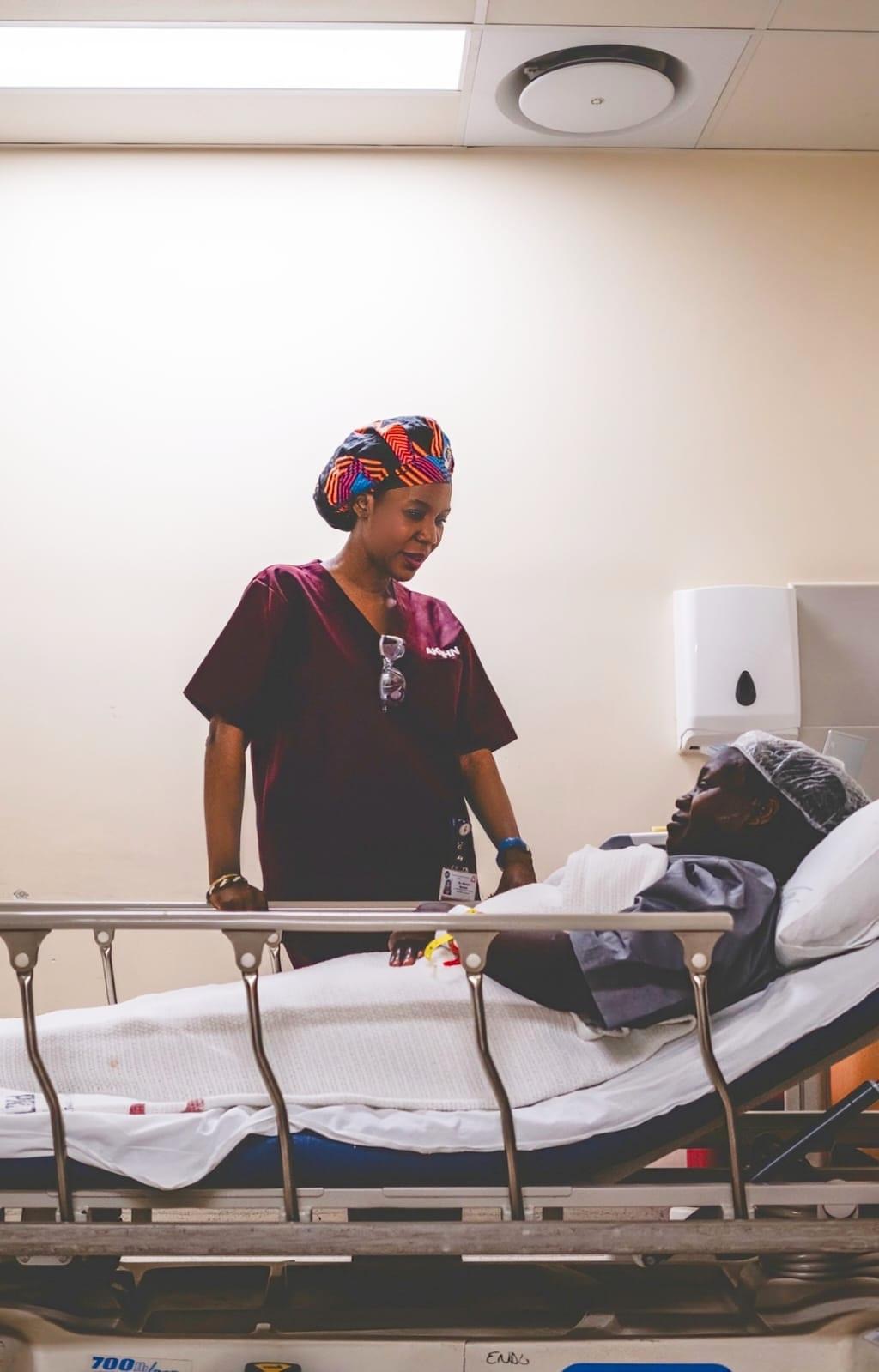
For Mutebi, one of the most persistent failures in cancer care is not absence of treatment; but absence of communication.
During residency, she once spoke to an external cancer support group about the potential complications of breast surgery.
The experience was illuminating. Many of the women appeared to be hearing details about lymphedema, body image changes and functional limitations in ways they had not previously understood.
For Mutebi, the experience highlighted an important distinction: obtaining consent is not the same as achieving understanding.
Another encounter has stayed with her. A woman underwent unnecessarily aggressive surgery for a pre-cancerous lesion and developed severe lymphedema after being told simply that her breast would be removed the next day.
For Mutebi, the lesson was unequivocal.
“Information is medicine. Communication is care.”
Yet across systems, patients are still not routinely counselled on fertility, sexuality, menopause, or long-term consequences of treatment.
She recalls a young woman eligible for breast conservation who returned after family discussion.
“They told me she would have a mastectomy,” Mutebi says.
Privately, the patient added: “I would prefer conservation. But they are the ones paying.”
Autonomy, she reflects, is not only about choice, but about the underlying structures that allow choice to exist.
Lessons from Unequal Systems
Training across Nairobi, Cape Town, and Memorial Sloan Kettering Cancer Center shaped Mutebi’s understanding of global oncology in unexpected ways.
No system is purely advanced or deficient. All contain excellence and inequity in different forms.
High-income systems offer precision, research capacity, and coordinated care. Yet even there, access disparities persist.
The COVID-19 pandemic exposed these vulnerabilities globally; in workforce distribution, communication breakdowns, and system overload.
For Mutebi, the lesson is not replication but contextual design.
“Good care is not defined by technology alone,” she says. “It is about whether patients feel seen, informed, and supported throughout their journey.”
“Africa is where many ‘pilots’ come to die”
Mutebi is critical of fragmented global health interventions that operate outside national systems.
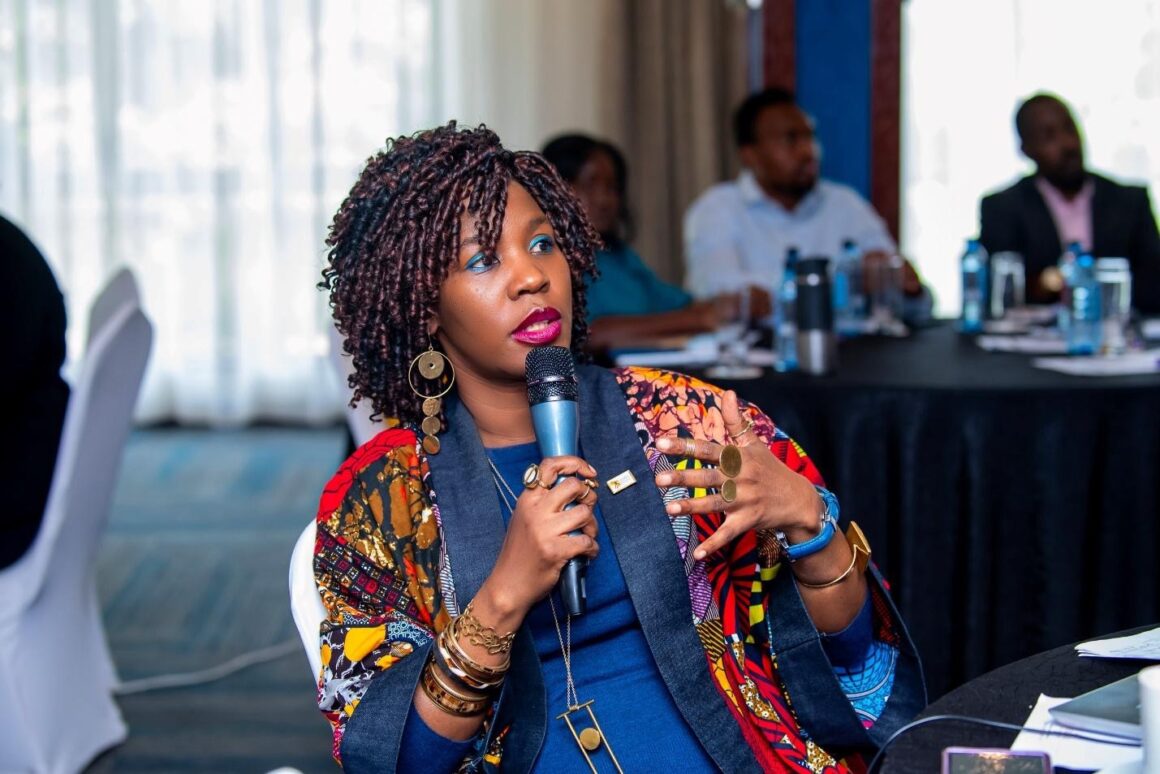
“Africa is where many ‘pilots’ come to die,” she says.
Short-term projects often fail to integrate into local infrastructure. When funding ends, impact disappears.
The problem, she argues, is not lack of capacity, but lack of integration.
“Others can support the journey, but they cannot walk it for us,” she says. “We must build our own solutions.”
Her optimism lies in a rising generation of African oncologists already doing so.
At a recent meeting in Addis Ababa, young clinicians from across Africa were asked to reinterpret global oncology evidence for local application. Their responses were immediate and practical; focused on implementation, not abstraction.
“The talent is extraordinary-and it is everywhere,” she says. “Opportunity is not.”
Reframing the Global Cancer Narrative
Dr Mutebi has contributed to multiple global oncology and health systems commissions, including work linked to The Lancet.
Her concern is not innovation itself, but the growing gap between what is possible and what is accessible.
“We celebrate innovation,” she says. “But patients do not experience innovation. They experience whether care reaches them consistently, affordably and in time.”
For Mutebi, the challenge is not simply generating new evidence or technologies. It is ensuring that advances translate into earlier diagnoses, more coordinated care and better outcomes for the people who need them most.
“The question is not whether innovation exists,” she says. “The question is whether systems allow it to reach patients”
She also challenges dominant narratives that reduce Africa to a place of perpetual need rather than innovation, leadership and expertise.
“There is extraordinary work happening across the continent,” she says. “But too often, Africa enters the global conversation as a recipient rather than a contributor.”
Her concern is not that challenges are ignored but that complexity is lost. Stories of constraint often eclipse stories of ingenuity, progress and local leadership.
“Africa is not one story,” she says. “And it is certainly not one problem waiting to be solved”
African patients, she argues, are too often viewed through scarcity rather than agency.
“They do not need sympathy alone,” she says. “They need equitable systems, investment and opportunity.”
Women in Surgery: The Invisible Burden
Many of the structural barriers Mutebi observes in cancer care are mirrored within the surgical workforce itself.
Through Pan African Women’s Association of Surgeons, Mutebi works to address challenges that affect women across the profession, including
mentorship gaps, underrepresentation in leadership, and systems that were not designed with caregiving responsibilities in mind.
“The same questions we ask about patients apply to providers,” she says. “Who has access to opportunity? Who is supported? Who is left navigating systems that were not designed with them in mind?”
But perhaps the most invisible burden is the continuous negotiation of credibility, authority, and expectation.
“There is a constant negotiation of space,” she says.
Still, she sees change emerging through a new generation unwilling to shrink themselves to fit inherited systems.
Leadership as Stewardship
Across her roles: surgeon, researcher, educator, author, and global health leader, Mutebi’s understanding of leadership has evolved fundamentally.
Earlier in her career, she says, leadership was associated with achievement and visibility. Over time her focus has shifted from individual accomplishment to strengthening the institutions, systems and people that make progress possible.
Now she sees it differently.
“It is stewardship,” she says.
A mentor once reframed it for her: “It is not our job to finish. But it is our job to start.”
The role of leadership, she believes, is not to be indispensable, but to leave behind stronger people and stronger institutions.
Leadership, she explains, is about building systems that outlast individuals; through mentorship, collaboration, and institutional memory.
Change, she adds, is rarely dramatic. It is cumulative.
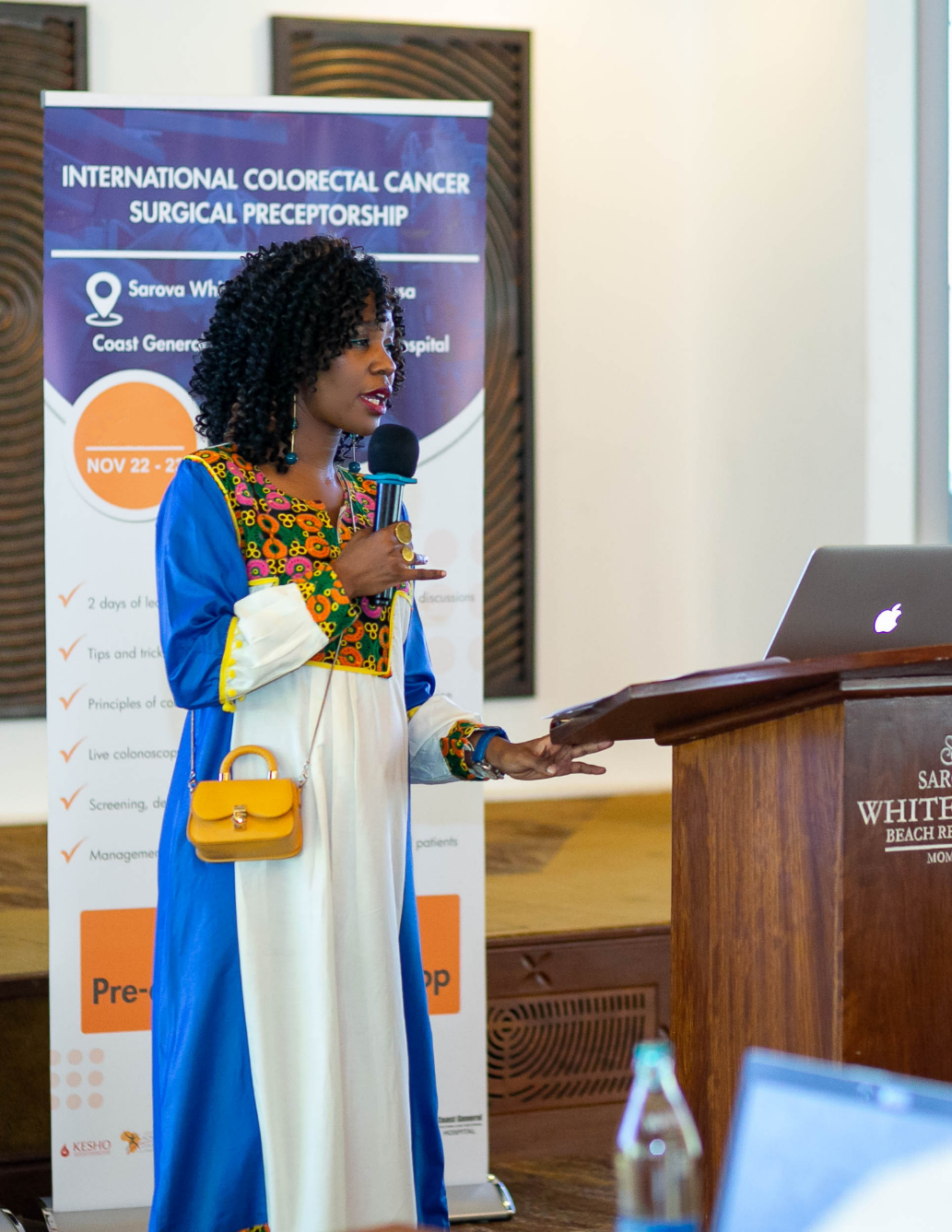
Advice to the Next Generation
To young African doctors, surgeons, other healthcare workers and researchers, especially women; Mutebi is clear.
“The continent needs you.”
But she cautions against underestimating context.
Africa’s challenges are real, she says, but so is its intellectual and leadership capacity.
“What we need are people willing to build solutions, not only describe problems.”
She encourages young clinicians to pursue excellence and to invest not only in their own careers, but in the systems and institutions that will shape care long after they are gone.
“Meaningful change is slow,” she says. “It is not glamorous.”
And it cannot be done alone.
“You need mentors, collaborators, and a community.”
Principles, Influences, and Worldview
Mutebi describes patience, humility, and exposure to suffering as central to her philosophy of care.
Medicine, she says, is a long education in vulnerability, dignity, grief, and resilience.
She is shaped by mentors, patients and thinkers whose work explores humanity, equity and the responsibility to care, including Wangari Maathai, Abraham Verghese, Paul Farmer, and Chimamanda Ngozi Adichie.
From them, and from her patients, she draws a simple but enduring lesson: people are always more complex, fragile, and resilient than systems allow them to appear.
The Human Core of Care
Her book, Stuff I’d Tell My Sister, reflects her belief that medicine is never emotionally neutral.
Clinicians are trained for certainty. But care, she argues, requires presence.
“Sometimes you cannot change the outcome,” she says. “But you can change how someone is held within it.”
Who Should Be Interviewed Next
Mutebi recommends Karen Nakawala, a leading voice in survivorship, stigma, and patient-centered cancer care.
“Global oncology is strongest when it listens not only to those who design systems but also to those who have had to survive them”
About the Author
Knarik Arakelyan (PhD) is a psychologist and communications professional with over 14 years of experience in public relations, health communication, and public awareness campaigns. She is currently the Managing Editor of “CancerWorld“ magazine, Head of the “OncoDaily TV,” and serves as PR and Communications Officer at “EMERTÉ” Clinic.