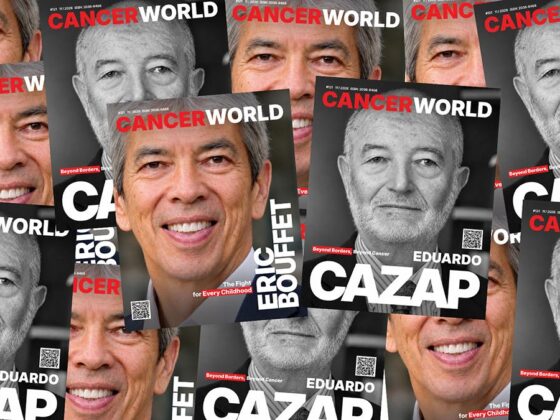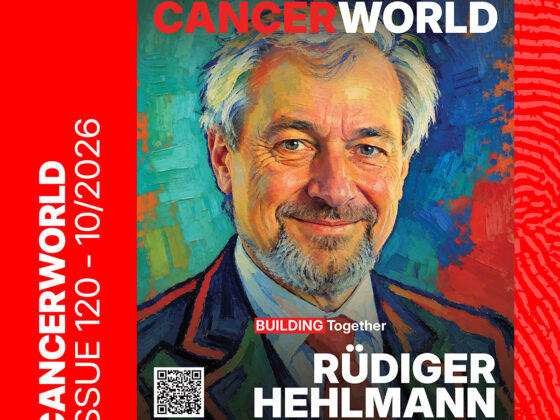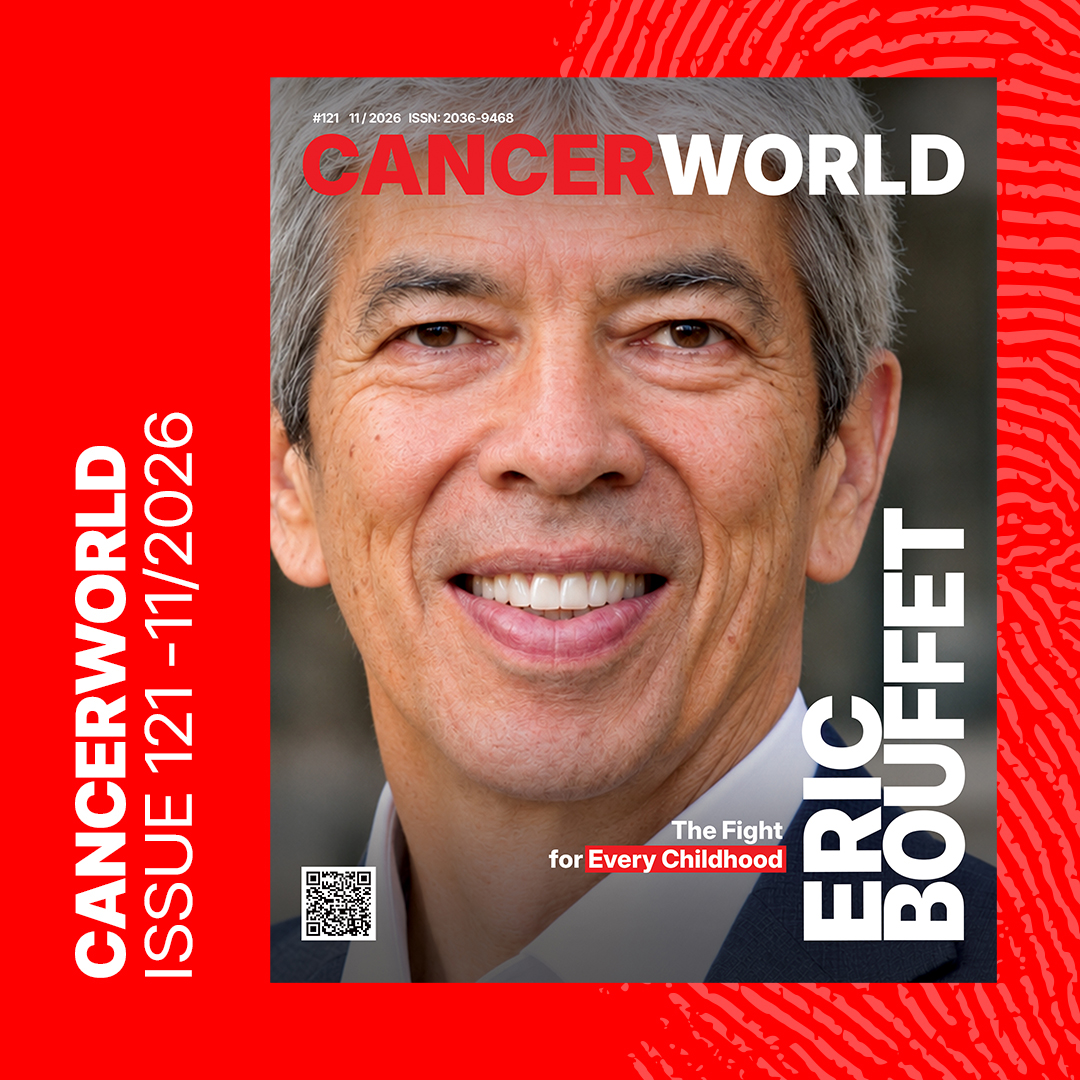
From pioneering treatments for childhood brain tumours to confronting the inequalities that determine who receives care, renowned paediatric neuro-oncologist Eric Bouffet reflects on four decades of breakthroughs, painful decisions and unfinished ambitions — and why saving a child’s life must also mean protecting their future.
There were nights when Eric Bouffet could not sleep. He had made a decision that might spare a child with an aggressive brain tumour from the devastating long-term consequences of radiotherapy. But what if that decision also reduced the child’s chances of survival?
For a physician who has spent more than four decades treating children with brain tumours, such decisions have never been purely clinical. They carry the weight of lives saved, children lost and consequences that may not become visible for another 20 or 30 years.
Some of the children Bouffet treated nearly 40 years ago are now adults. He remains in contact with several of them. Their lives are evidence of extraordinary progress in paediatric oncology, but also reminders of what survival can cost.
“You learn from your successes,” he says. “But you also learn from your mistakes.“
After helping build one of the world’s leading paediatric neuro-oncology programmes at Toronto’s Hospital for Sick Children (SickKids), Bouffet now works with specialists across approximately 40 countries, pursuing a mission that extends far beyond the Canada,
What does it mean to save a child’s life if we cannot also protect their future?
A Career That Began Almost by Accident
Bouffet never planned to become a specialist in childhood brain tumours.
He trained in paediatrics and intensive care in France, where he encountered children experiencing severe complications of cancer treatment. He subsequently joined a paediatric oncology department to establish a bone marrow transplantation unit.
When that work was completed, he approached his department head to ask what he should do next.
“She told me, ‘Look after the brain tumours.’ And I said, ‘There are no brain tumour patients.‘”
That conversation changed the direction of his career.
He began collaborating with neurosurgeons, gradually bringing children with brain tumours into a more coordinated system of care. What started as one responsibility among several eventually became his life’s work.
The field he entered in the early 1990s was almost unrecognisable compared with today’s paediatric neuro-oncology.
As a medical student, Bouffet had witnessed an era before modern brain imaging became widely available. He remembers patients undergoing pneumoencephalography, an invasive procedure in which air was introduced into the cerebrospinal fluid to help visualise structures within the brain.
MRI was not yet part of routine clinical practice. Treatment protocols were limited, chemotherapy played a relatively small role, and surgery and radiotherapy dominated care.
“There were very few protocols. Chemo was virtually nonexistent,” he recalls.
Over the following decades, Bouffet would help develop new treatment approaches and witness the emergence of molecularly informed therapies. Yet alongside these advances came an uncomfortable reality: some children remained impossible to cure, others faced lifelong consequences, and access to progress depended heavily on where they lived.
Building a Programme, Changing a Field
After working in France and spending four years in the United Kingdom, Bouffet moved to Toronto in 2000 to develop paediatric neuro-oncology at SickKids.
The hospital already had outstanding neurosurgical expertise and a collaborative radiation oncology team. What it lacked was a dedicated, comprehensive paediatric neuro-oncology programme.
Within five or six years, that programme had become internationally recognised, bringing together clinicians, researchers and trainees whose work would help reshape the understanding and treatment of childhood brain tumours.
Among the advances emerging from this scientific environment were discoveries involving brain tumour stem cells, molecular subgroups of medulloblastoma, mismatch repair deficiency and rare childhood brain tumours.
Today, with Bouffet increasingly focused on international work, the programme continues under the leadership of Dr Uri Tabori, exploring emerging approaches such as circulating tumour DNA in cerebrospinal fluid and new molecular diagnostic technologies.
For Bouffet, one of the greatest transformations has been in how childhood brain tumours are understood and how that knowledge is changing treatment.
A diagnosis such as medulloblastoma once suggested a relatively uniform disease. Molecular research has since revealed that tumours sharing the same name may behave very differently.
This allows clinicians to distinguish between patients at different levels of risk and, in carefully selected circumstances, adjust treatment intensity.
For some children, reducing therapy without compromising survival could mean fewer long-term complications.
Yet Bouffet cautions that treatment reduction is never straightforward.
“If you decrease the dose, the brain does better, the tumour can be cured, but if you decrease the dose, you can also decrease survival,” he explains.
Another major advance has emerged in childhood gliomas, where researchers have identified molecular alterations that can sometimes be targeted with specific medicines.
Bouffet offers a simple analogy: a mutation can act like a tap that has been turned on, allowing tumour growth to continue. If a drug can block the relevant molecular pathway, it may be possible to turn that tap off.
Some targeted therapies originally developed for adult cancers have subsequently proved valuable for children whose tumours carry related alterations.
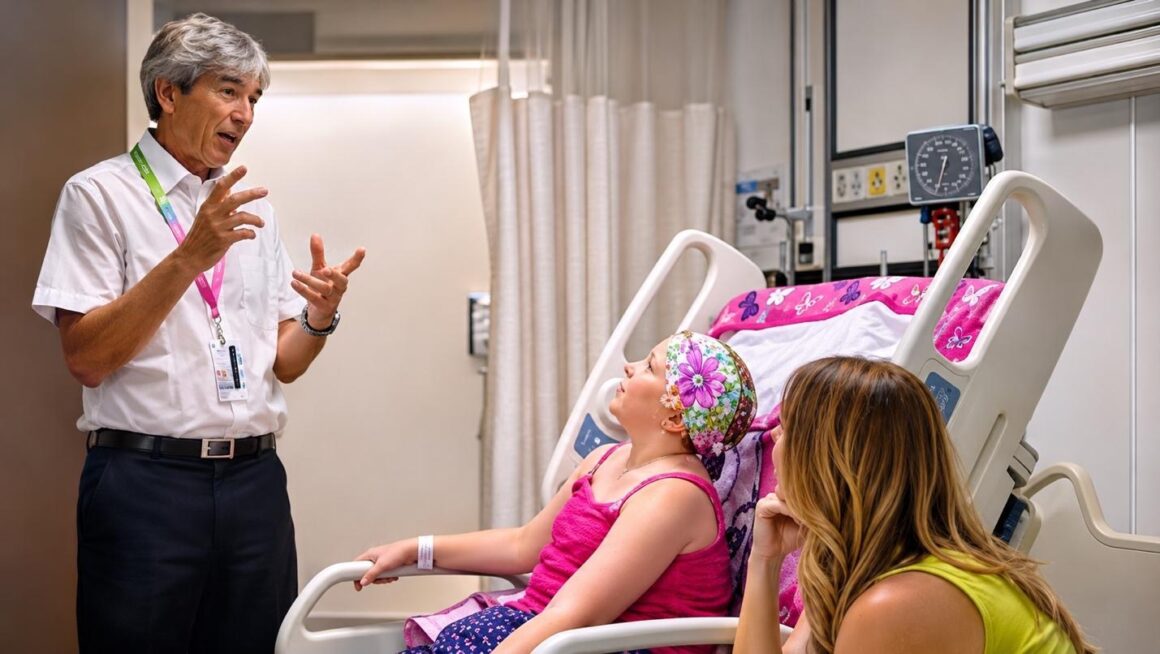
Dr Bouffet’ at the Toronto’s Hospital for Sick Children (SickKids (with permission)
The consequences extend beyond tumour control. Where appropriate, oral targeted treatments can reduce the need for conventional chemotherapy or radiotherapy and lessen the disruption caused by repeated hospital visits.
A child may be able to continue attending school and participating in ordinary daily activities while receiving treatment.
For Bouffet, the significance of precision medicine lies not only in controlling tumours, but in the possibility of making treatment less disruptive and less damaging to a child’s development.
Nevertheless, precision medicine has not delivered equally dramatic advances across all childhood brain tumours. Some diseases still rely heavily on treatments already used decades ago, while others remain extraordinarily difficult to target.
Nowhere is that unfinished challenge more apparent than in diffuse intrinsic pontine glioma, or DIPG.
The Tumours We Still Cannot Cure
Despite decades of research, DIPG remains one of the most devastating diagnoses in paediatric neuro-oncology.
The tumour arises in a critical region of the brainstem, making conventional surgery generally impossible. Radiotherapy can temporarily slow progression, but the disease usually returns.
Bouffet had hoped that a cure would emerge during his career. So far, it remains out of reach.
It has not happened.
Researchers are investigating new approaches, including immunotherapies such as CAR T-cell treatment, but he cautions against confusing encouraging early results with a definitive breakthrough.
“It’s not fixed,” he says.
His frustration reflects both the biological complexity of these tumours and the practical limitations of research. Developing effective therapies requires sustained funding, scientific collaboration and a willingness to investigate diseases affecting relatively small numbers of patients.
Bouffet believes artificial intelligence may help accelerate drug discovery, but technology offers no guarantee of success.
What gives him confidence is the growing collaboration between major paediatric neuro-oncology centres, including Toronto, Heidelberg and St. Jude Children’s Research Hospital.
For rare and difficult-to-treat tumours, progress depends on bringing expertise, clinical data and research capabilities together.
But even when medicine succeeds in controlling a tumour, another challenge remains: what happens to the child afterwards?
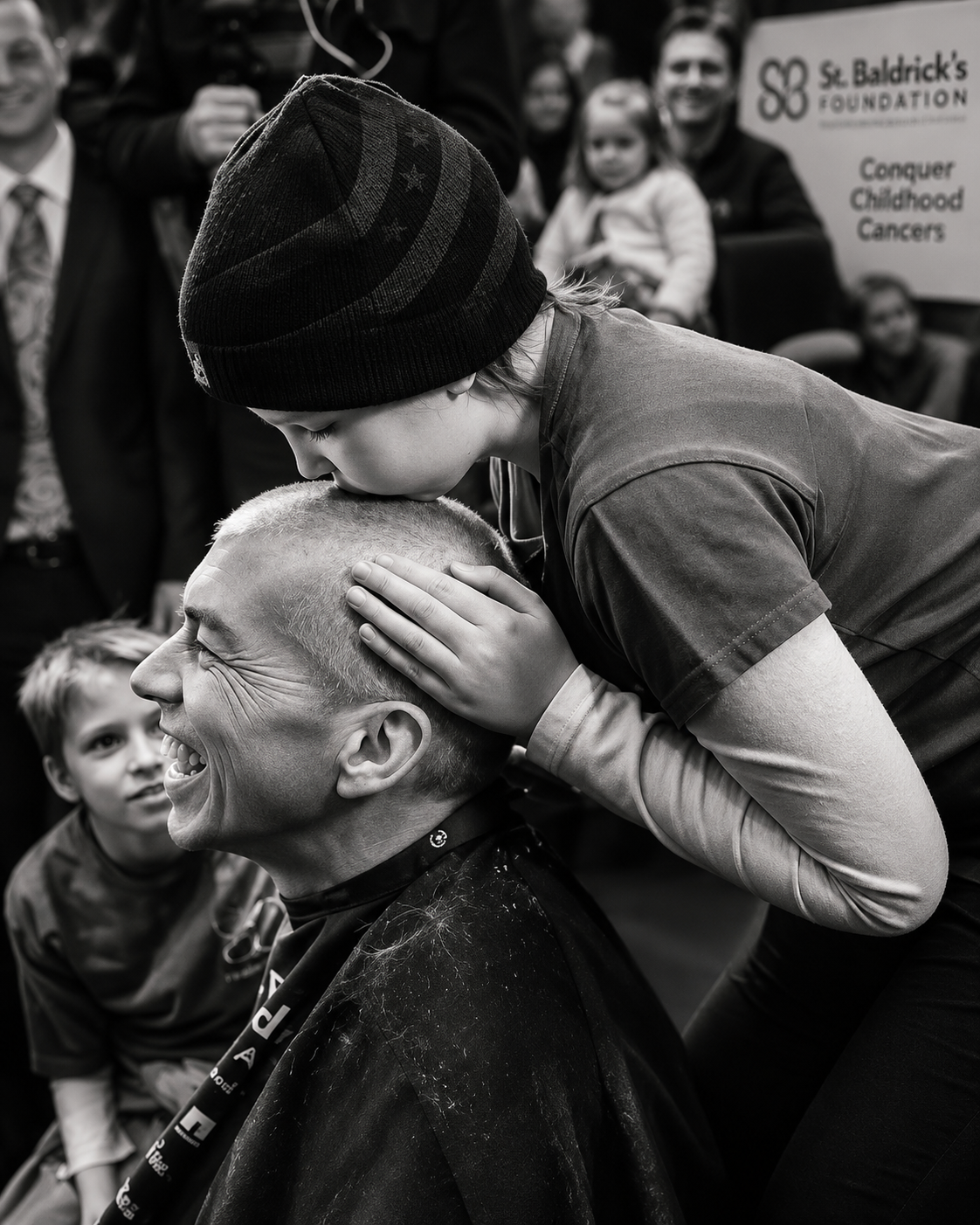
Saint Baldrick
The Price of a Cure
For Bouffet, the consequences of treatment are among the most difficult aspects of a long career.
A decision made today may save a child’s life, but its effects may not become fully apparent for another 10, 20 or even 30 years.
Radiotherapy, for example, can be essential for controlling certain brain tumours, yet exposure to particular regions of the brain may increase the risk of late complications, including stroke.
“When you make your decision today, do you think of tomorrow, in a year, in two years, or in 20 years?” Bouffet asks.
The question becomes even more complicated when treatment is delivered to infants and very young children whose developing brains are particularly vulnerable.
He remembers the difficult decisions involved in treating children with rhabdoid tumours, rare and highly aggressive cancers that often occur early in life.
Historically, treatment frequently involved combinations of surgery, intensive chemotherapy and radiotherapy, with potentially devastating long-term consequences for survivors.
In 2004, Bouffet began exploring an approach that sought to avoid radiotherapy in selected patients.
At the time, the decision was far from universally accepted.
“Every patient I had with rhabdoid tumour, I had sleepless nights when I was making the decision not to use radiation.“
He says subsequent research from his group suggests that radiotherapy may be avoided in a substantial proportion of patients using this approach, although the findings he describes were still awaiting publication at the time of the interview.
The experience illustrates a dilemma that has shaped Bouffet’s career: treatment decisions must account not only for a child’s immediate survival, but also for the life that follows.
That responsibility is now driving another area of research — finding ways to prevent, reduce or potentially repair neurological damage caused by brain tumours and their treatment.
At SickKids, research teams led by Pr. Donald Mabbott are investigating approaches to brain rehabilitation, including medicines such as metformin, alongside non-pharmacological interventions such as physical activity.
These remain areas of active research rather than established solutions for reversing treatment-related neurological injury.
Yet Bouffet believes rehabilitation deserves far greater attention.
After months or years of cancer treatment, families understandably want their child to return to ordinary life. But completing treatment does not necessarily mean recovery is complete.
Some children continue to experience cognitive, neurological or functional difficulties requiring long-term support.
The ambition is not merely to keep children alive. It is to help them learn, communicate, develop independence and participate as fully as possible in the world around them.
And that ambition becomes even more complicated when the resources available to survivors differ dramatically between countries.
When Geography Determines the Meaning of Survival
Consider a child who develops hearing loss after receiving cisplatin, a chemotherapy drug used in the treatment of several childhood cancers.
In a high-income country, that child may receive hearing assessments, hearing aids and educational support.
In a low-income setting, the same hearing loss may have profoundly different consequences.
Dr Bouffet at the United Nations
Hearing aids may be unaffordable or unavailable. Specialist support may not exist. A child who survived cancer may subsequently face serious barriers to education and social participation.
“What we consider as no problem in a country can be a big problem in another country,” Bouffet explains.
The example exposes a fundamental inequality: the consequences of surviving cancer can be determined as much by a country’s resources as by the disease or its treatment.
When he became President of the International Society of Paediatric Oncology (SIOP) in 2016, he encountered clinicians working under conditions dramatically different from those in Canada.
He met physicians from countries where the central challenge was not access to the newest molecular therapy, but ensuring that children with cancer were diagnosed at all.
In some settings, large numbers of children never reached specialist services.
“Now there is a bigger picture,” he remembers thinking.
That recognition helped redirect his professional priorities towards strengthening paediatric oncology in countries with limited resources.
During his SIOP presidency, from 2016 to 2019, Bouffet gained opportunities to engage with health ministers, international organisations and policymakers.
One particularly meaningful moment came in September 2018, when the World Health Organization launched the Global Initiative for Childhood Cancer at the United Nations.
The initiative represented an opportunity to move childhood cancer higher on the global health agenda, with an ambition to achieve at least 60% survival worldwide by 2030.
But as that deadline approaches, Bouffet is concerned that the target may not be reached.
The obstacles extend beyond healthcare funding and infrastructure. Conflict and political instability can undo years of progress almost overnight.
In Ukraine, where he had collaborated with colleagues to strengthen paediatric oncology services, Russia’s full-scale invasion in 2022 transformed the priorities almost overnight.
Instead of developing treatment programmes, teams faced the urgent task of protecting and evacuating children undergoing cancer care.
He recalls the international response, including the SAFER Ukraine initiative led by Saint Jude Children’s Hospital under the leadership of Dr. Rodriguez-Galindo, as an extraordinary example of collaboration under crisis conditions.
He also points to Myanmar, where childhood cancer partnerships had been developing before the 2021 military coup severely disrupted cooperation and healthcare delivery.
Despite these setbacks, Bouffet believes the WHO initiative has generated meaningful progress. The challenge is sustaining that progress and ensuring that international commitments translate into better care for children.
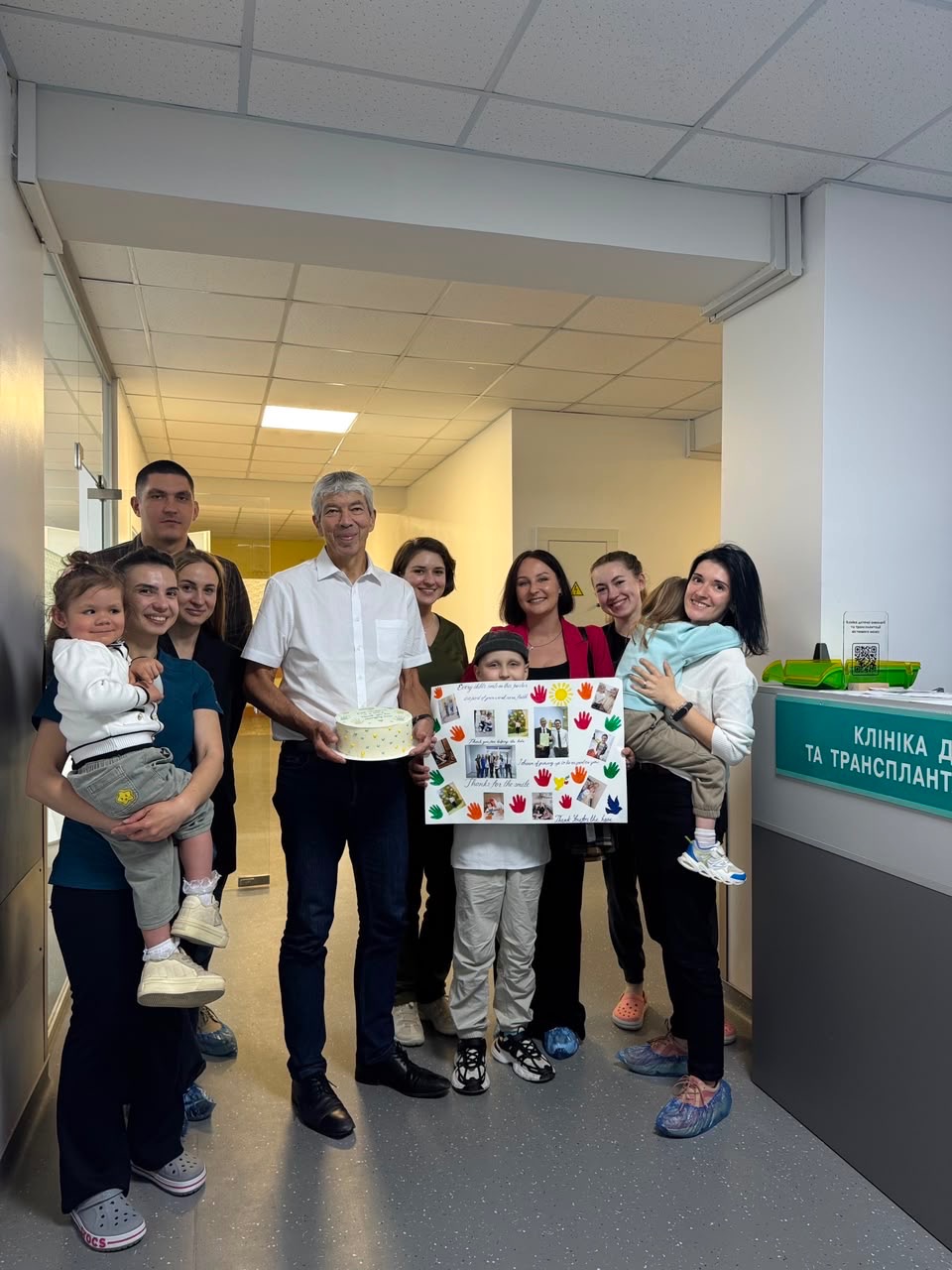
In Ukraine
Forty Countries, One Shared Responsibility
Today, Bouffet’s international work connects him with paediatric oncology teams across approximately 40 countries.
Much of that collaboration takes place through regular virtual meetings, case discussions and exchanges between specialists.
He is emphatic that these relationships are not simply about transferring knowledge from wealthy countries to poorer ones.
“It’s not, I am the teacher and they are the students,” he says. “I learned so much from this.“
Effective collaboration requires understanding what is realistically available in each setting.
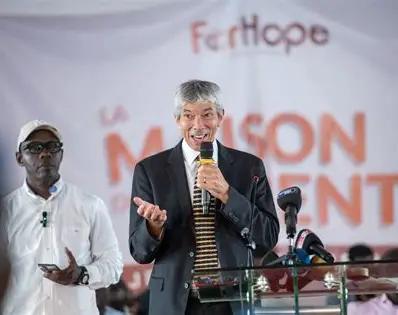
September 2025 in Dakar for the inauguration of the Parents’ house built with funding from For Hope and Sunu Doom Sunu Yite Associations
There is little value in recommending an immediate MRI scan or proton therapy to a team that has access to neither.
Instead, Bouffet believes international partnerships must help clinicians make the best possible decisions within their own circumstances while strengthening local capacity.
He points to the development of paediatric neuro-oncology services in Pakistan, including the work of Dr Naureen Mushtaq, as an example of what committed local leadership can accomplish.
He also describes encouraging initiatives in Ethiopia and ongoing collaborations with colleagues in Iran and Lebanon, despite considerable challenges.
One of his central priorities is multidisciplinary care.
Treating a childhood brain tumour requires coordination between neurosurgeons, oncologists, radiation oncologists, radiologists, neuropathologists and other specialists.
When these professionals work in isolation, children may lose opportunities for better diagnosis and treatment.
For Bouffet, strengthening communication and multidisciplinary decision-making is one of the most practical ways to improve care, even where resources remain limited.
The Children a Doctor Never Forgets
For all the scientific achievements and international recognition, Bouffet speaks most personally when reflecting on the children whose treatment did not succeed.
Some died despite every effort to save them. Others died from complications of the treatment intended to cure them.
“You see a child who dies from the toxicity of your treatment and you feel ashamed of yourself,” he says, describing the emotional burden physicians can carry even when they have followed accepted treatment protocols.
Such experiences have remained with him throughout his career.
He remembers children with whom he developed particularly close relationships, making their deterioration or death especially difficult to bear.
“When you care, you can also suffer.“
There were periods when these losses became almost overwhelming.
Yet he continued, because other children still needed care.
Over time, those experiences have deepened his understanding of responsibility. A physician must make decisions with the knowledge available today, while recognising that their consequences may only become clear decades later.
It is a perspective shaped as much by the children he could not save as by those whose lives he helped change.
Beyond Medicine: The Courage to Keep Dreaming
Outside oncology, Bouffet’s passions reveal a different side of the physician.
He loves cycling and long-distance running, and once imagined pursuing a life in sport.
Growing up in France, he admired cycling legends such as Eddy Merckx and Bernard Hinault. Even now, when riding in the mountains, he sometimes imagines himself following in their footsteps.
The French Alps remain particularly meaningful to him. Although he has built much of his professional life in Canada, France is where his roots lie.
He also speaks warmly of a book about the French Resistance on the Plateau des Glières during the Second World War, a story that impressed him through its themes of courage, sacrifice and service to others.
Among his favourite films are Schindler’s List, the French comedy Le Dîner de Cons, and The Intouchables.
Asked what advice he would give his younger self; he returns to a memory from his first SIOP meeting in Hanover in 1989.
Looking at the senior figures in the field, he saw people whose achievements seemed almost unreachable.
Years later, he would become president of the same international society.
His advice is simple: believe in yourself and do not assume that something is impossible merely because it seems beyond reach.
Near the end of the conversation, Bouffet is asked whom CancerWorld should interview next.
His first thought is Jonathan Finlay, one of the pioneers of paediatric neuro-oncology, whose work helped advance intensive chemotherapy and stem cell transplantation approaches for children with brain tumours.
But the suggestion comes with sadness. Finlay had died shortly before the interview.
Bouffet speaks of him with admiration, recalling both his personal experience of cancer as a young adult and his subsequent contributions to the specialty.
He then suggests another influential figure, Dr Roger Packer, whose career has also helped shape modern paediatric brain tumour care.
His tribute to these colleagues reflects a deep appreciation of the people who built paediatric neuro-oncology and the generations who will carry its work forward.
And it is to that next generation that Bouffet must now entrust one of his most deeply held ambitions.
He had hoped that by the time he retired, children diagnosed with DIPG would have a chance of being cured. That day has not come.
After more than four decades in medicine, he still finds it difficult to slow down. There are children whose tumours remain incurable, survivors whose lives are shaped by the consequences of treatment, and families for whom access to specialist care remains out of reach.
For Eric Bouffet, the fight is not only to save more children. It is to ensure that every child who survives has a future worth fighting for.
About the Author
Knarik Arakelyan, PhD, is a psychologist and communications professional with over 14 years of experience in public relations, health communication, and public awareness campaigns. She is currently the Managing Editor of “CancerWorld“ magazine, Chief of Staff of “OncoDaily”, and serves as PR and Communications Officer at “EMERTÉ” Clinic.