Science is moving at extraordinary speed. We can identify mutations once invisible, develop drugs that destroy proteins previously considered untouchable, and transform diagnoses that once offered little hope.
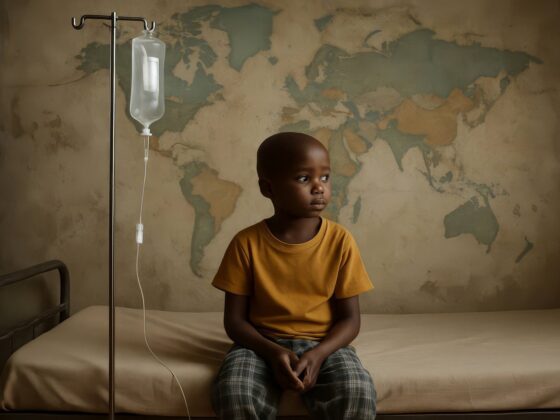
Yet a patient can still wait too long for treatment. A brilliant young researcher can remain invisible. A dedicated oncologist can lose the strength to continue caring.
Progress is not only about what becomes possible. It is about who gets the chance to benefit.
This issue of CancerWorld explores that distinction.
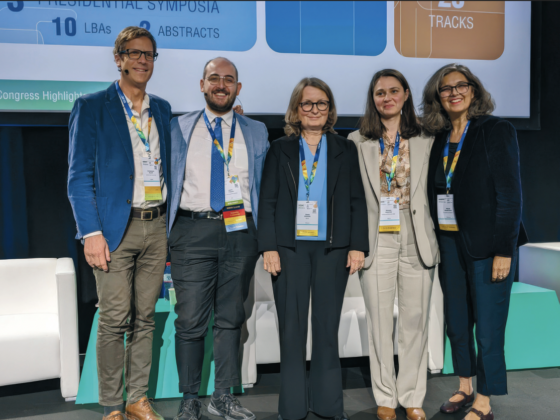
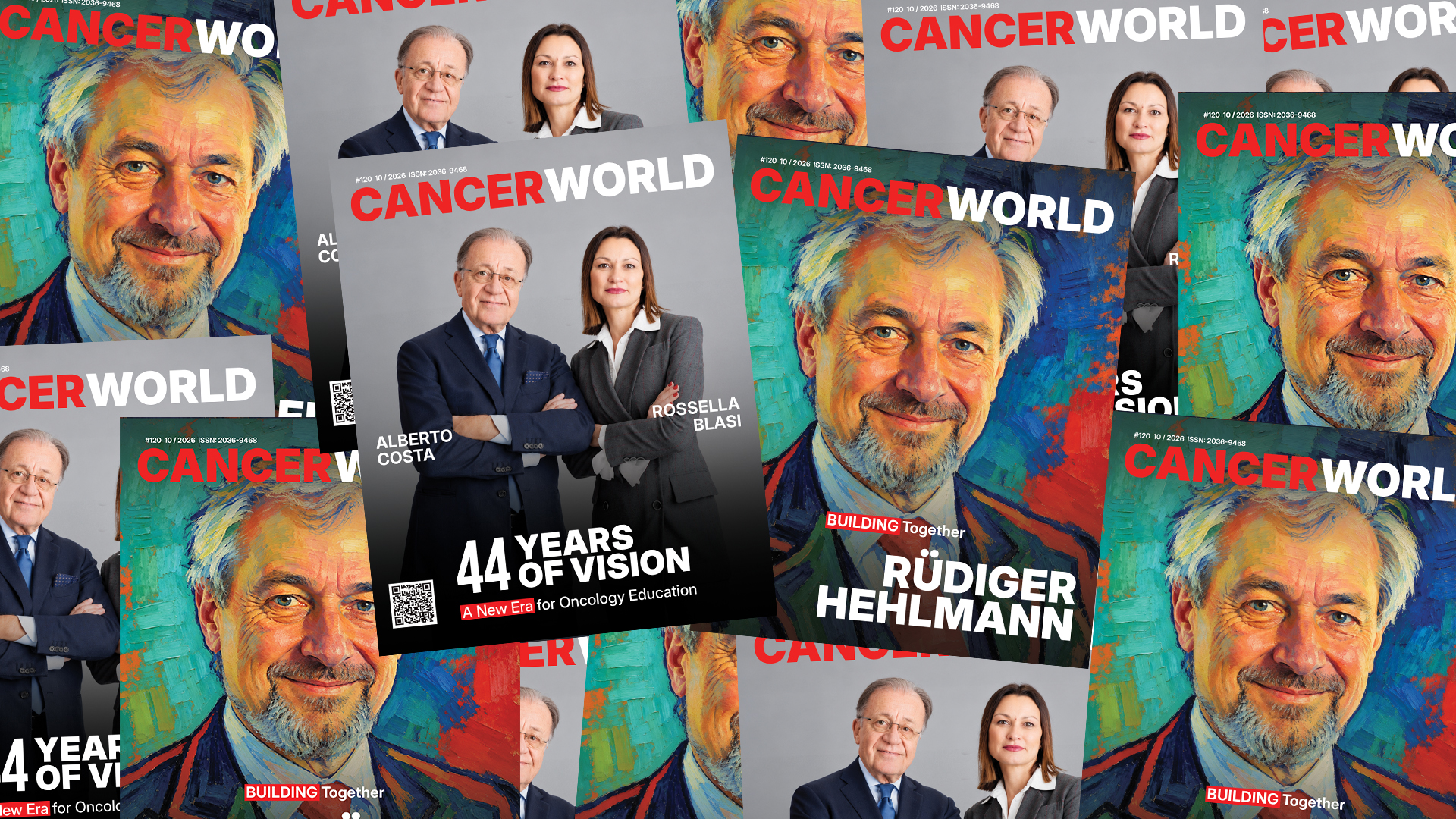
Our two cover stories celebrate the power of building something greater than oneself. Rüdiger Hehlmann’s pioneering work and the European LeukemiaNet demonstrate what scientific collaboration can achieve. At the European School of Oncology, the transition from Alberto Costa to Rossella Blasi after 44 years reminds us that a leader’s greatest legacy is not simply what they accomplish, but what they make possible for others.
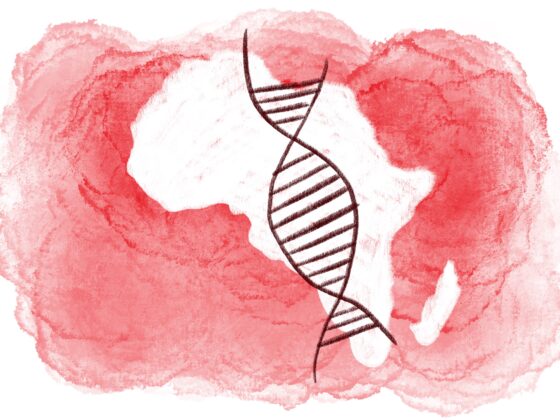
That same spirit lives in young oncologists creating networks, researchers advancing science amid war, and professionals sharing knowledge across borders. It also challenges institutions that still allow inequality, bureaucracy and fragmented systems to stand between innovation and patients.
But perhaps the most important lessons in this issue come from moments medicine cannot measure.
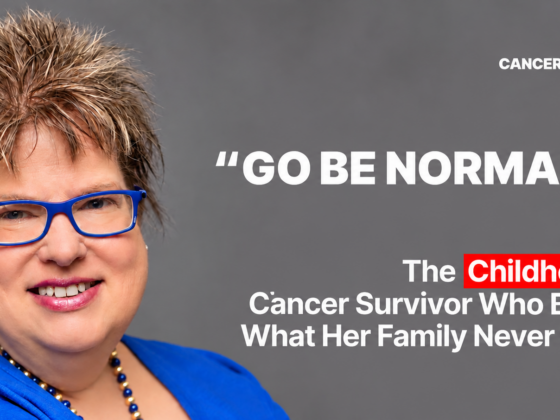
A patient in Algeria wants to feel well enough for his son’s wedding. Young cancer survivors gather on a football field in Milan, where friendship matters more than the final score. And behind every consultation is a clinician carrying fears and vulnerabilities of their own.
These stories remind us that treating cancer and caring for a human being are inseparable responsibilities.
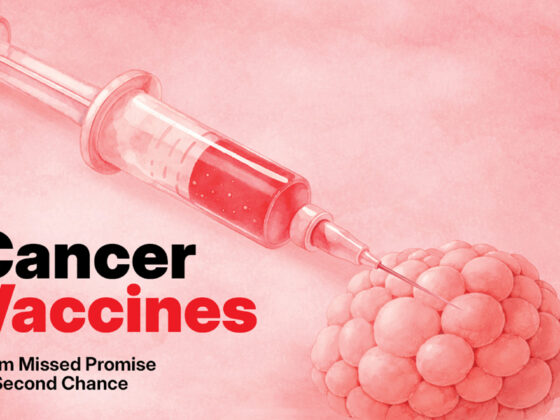
We need breakthroughs. We need courageous science, strong institutions and ambitious leaders.
But we also need to remember why.
Because the ultimate measure of oncology is not how far science advances.
It is how much of life that progress gives back.
Read the full issue here.