Oncology is advancing at an extraordinary pace. But are we becoming as effective at caring for people as we are at treating cancer?
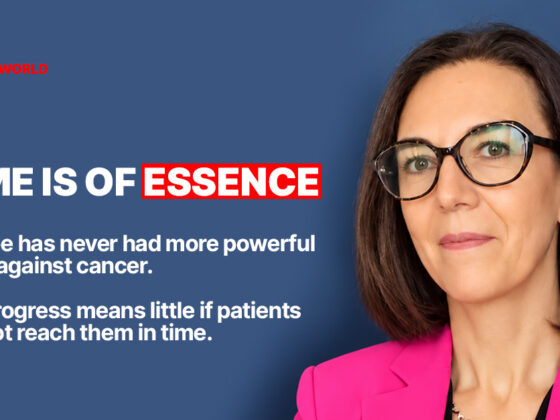
Scientific breakthroughs offer little benefit to patients who cannot access them. Surviving cancer does not necessarily mean regaining their health or quality of life. And even the most sophisticated medicine cannot replace the experience of being heard, understood and supported.
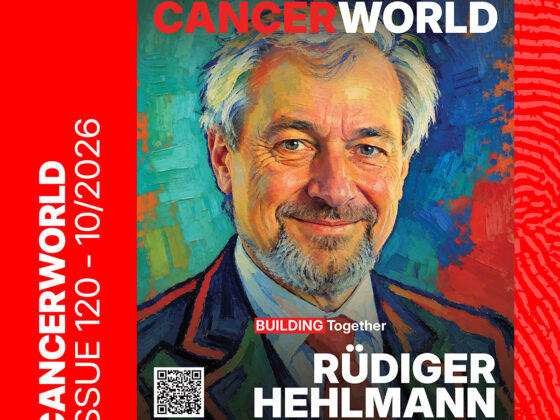
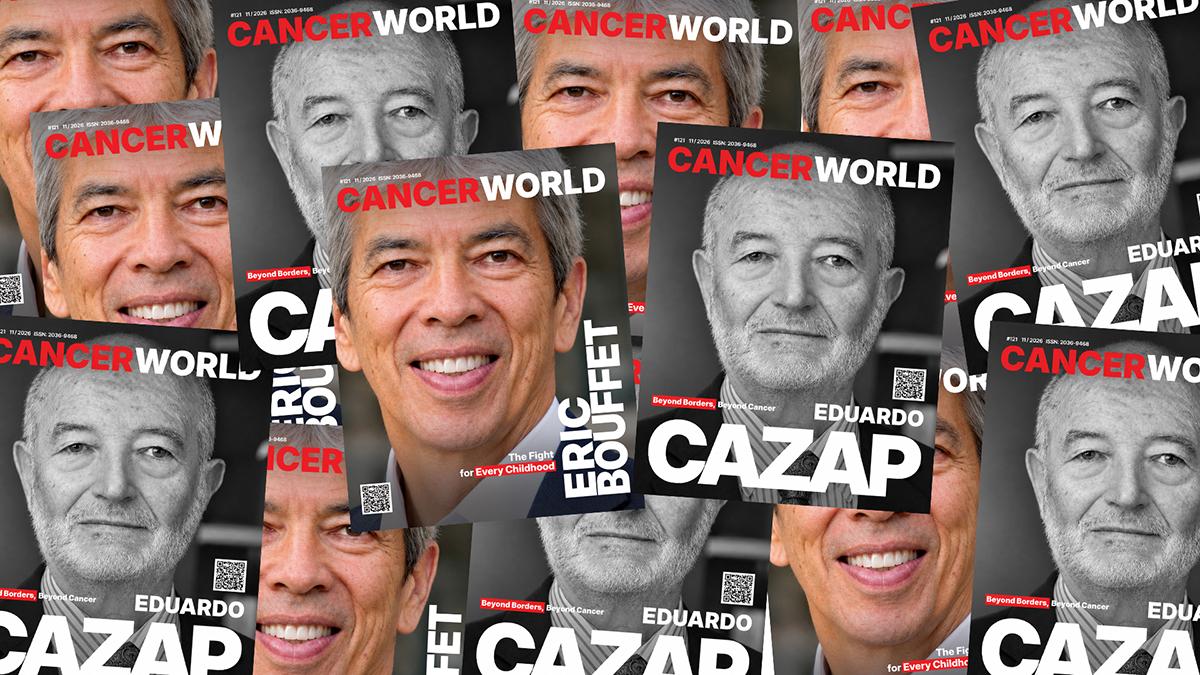
The November issue of CancerWorld explores these realities and asks what progress in oncology truly means.
Our cover stories feature Prof Eric Bouffet, whose pioneering work in paediatric neuro-oncology confronts the delicate balance between curing children and protecting their futures, and Prof Eduardo Cazap, whose decades of leadership in global cancer control highlight the importance of prevention, international cooperation and political commitment. Their journeys reveal that the future of oncology depends as much on the systems we build as on the discoveries we make.
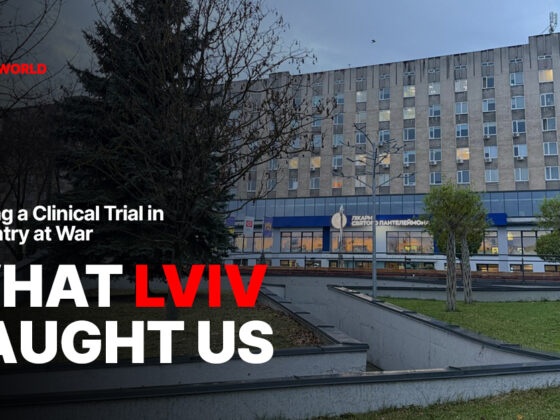
From the sustainability of radiotherapy services in Africa to the evolving treatment of childhood cancer, we consider what it takes to translate scientific advances into equitable and effective care. The debate over thyroid cancer overdiagnosis adds another dimension, reminding us that responsible medicine requires not only innovation, but also scientific rigour, restraint and the courage to question established assumptions.
Beyond treatment, experiences of long-term brain and pancreatic cancer survivorship reveal the physical and psychological realities that conventional measures of success often fail to capture. Perspectives on supportive care and evidence-based lifestyle interventions reinforce the importance of addressing the needs of patients and their families throughout treatment and beyond.
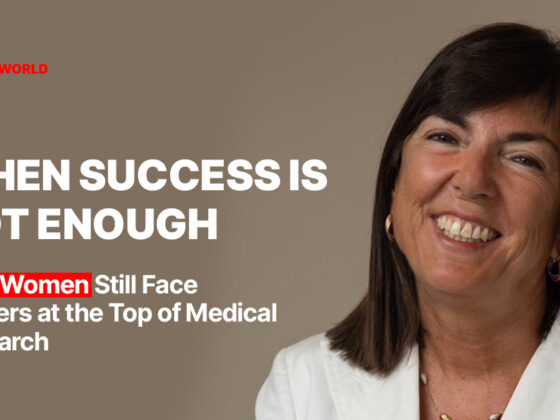
Equally important is whose experience informs the future of oncology. The underrepresentation of men in cancer advocacy challenges us to reconsider how we create space for meaningful patient participation, while a reflection from the consultation room reminds us that empathy, attention and human connection remain fundamental to clinical excellence.
These perspectives reflect the breadth of contemporary oncology: a field in which scientific discovery, public policy, social responsibility and human experience are profoundly interconnected.
The ultimate ambition of oncology must extend beyond changing the course of disease. It must be to change the course of people’s lives — regardless of where they live, what cancer has taken from them or how long ago their treatment ended.
Read the full issue here.