Oncology has seen tremendous progress over the last few decades. Yet, for advanced solid cancers, some new treatments offer only a few weeks of survival benefit. Meanwhile, the amount of time spent in pursuing these new treatments can be substantial. Time is spent in visits to the clinic, for bloodwork, for scans, for infusions, to see the doctor. Time is spent in cars and buses to get to appointments, in parking lots, and in waiting rooms. And time is spent poring over perplexing medical bills, filing leave from work, and on annoying holds during phone calls with the insurance company. In addition, time is spent by family members, by friends, by well-wishers— i.e., by informal care partners— who often put their own life on hold. All this time adds up. And this time spent in cancer-related tasks and procedures, often all-consuming, described as a “full-time job,” “a completely new vocation,” and “we do cancer, that’s what we do,” is what is termed, ‘’the time toxicity of cancer care’’.
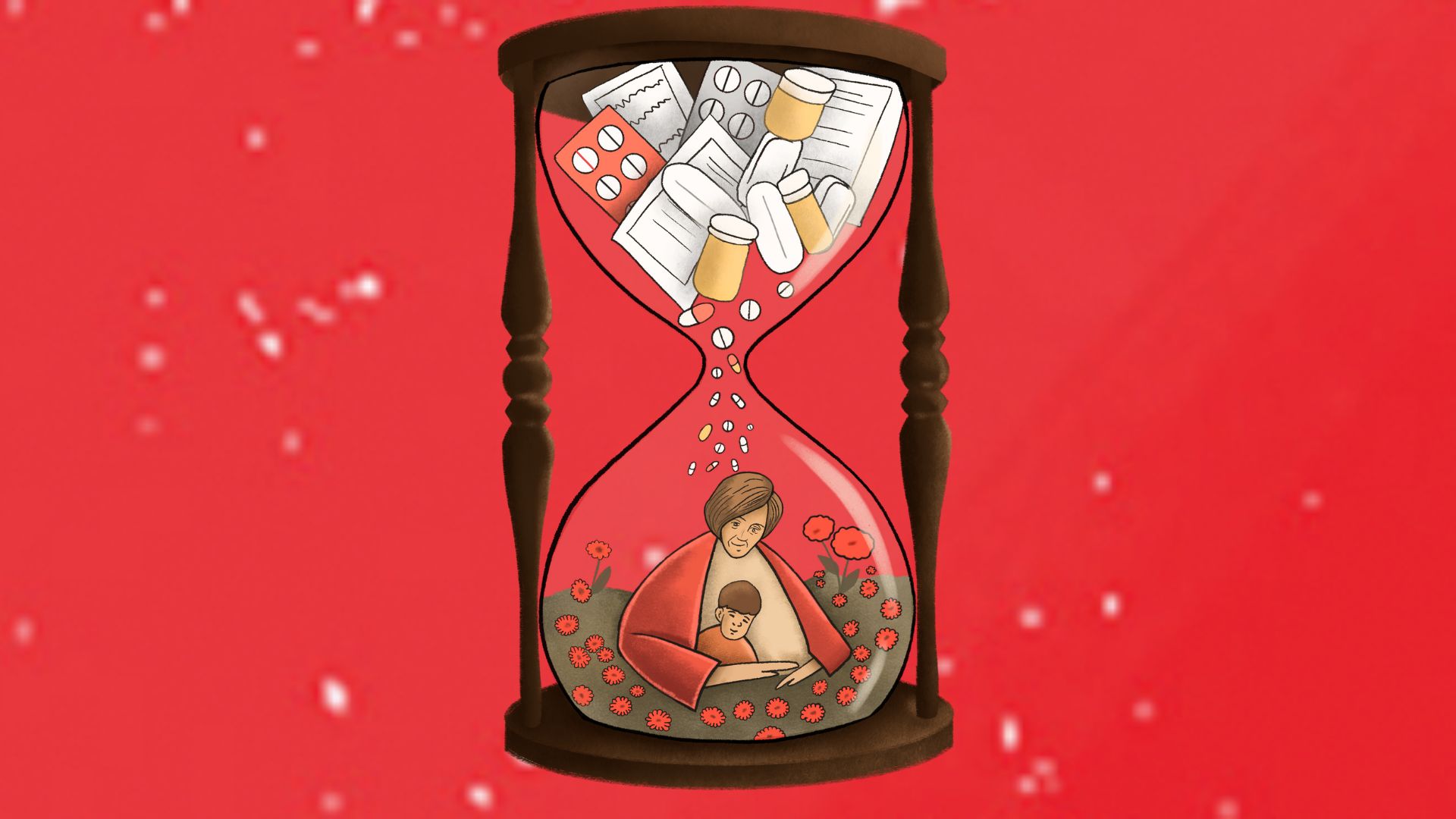
Time toxicity is relevant for every person with cancer, but perhaps most so for people with advanced cancer who face decisions about pursuing treatment in the context of limited remaining time. For some treatments, the time spent pursuing, receiving, and recovering from a treatment may dwarf the modest gains offered by the treatment. This does not make a treatment ‘’right’’ or ‘’wrong’’— that is up to an individual and their oncologist to decide— but current clinical trials do not report any measure of how time burdensome a treatment is. Consider Ms. Thompson, a 75-year-old woman, a retired nurse, a loving grandmother, and a passionate gardener. She has lived with advanced-stage cancer for a year; now new spots have appeared in her lungs, and her body is racked with pain. She knows her time is limited. Her goals are to maximize time at home with her grandchildren and with her flowers. She needs to decide between pursuing a treatment with a limited expectation of clinical benefit and considerable investment in time or foregoing cancer-directed treatment in favor of home-based symptom management.
If we agree that calculating and reporting time spent on cancer care is important, a key question is, ‘’How do we measure time?’’ Time can, of course, be reported objectively- in hours and minutes- but this can quickly become overwhelming. Imagine an oncologist explaining to a patient that Treatment A would be associated with 3 hours 40 minutes of infusions, 45 minutes in the waiting room, and 1 hour 30 minutes of monitoring, thrice a week; and Treatment B would be associated with 1 hour 25 minutes in infusion, 50 minutes waiting, and 45 minutes monitoring – peoples’ heads will quickly spin trying to grasp the burdens (I am already confused writing this). On the other extreme, reporting time based on a person’s lived experiences, while person-centered, may not provide additional clarity. One patient may not consider multiple visits a week burdensome, and may in fact value the time in infusion and the social aspects of the visit, while another may find the drive and visit to be a burden or a waste of a precious resource: their own time.
How can we report time toxicity using a measure that is both intuitive and person-centered? With my research team, we conducted in-depth mixed-methods (quantitative and qualitative) analyses and concluded that the best method for reporting the time invested in therapy and therapy-related tasks ought to be ‘’health care contact days’’, or more simply, ‘’contact days’’. We define “contact days” as the number of days a person spends receiving in-person care outside the home, in any setting. This was guided by two key findings:
1) that seemingly short clinic visits often turned into all-day affairs for patients and their care partners- the average home-to-home time for the simplest clinic visit, for example, for a simple blood draw, was often several hours- and truly ‘’short visits’’ did not really exist;
2) that patients described ‘’getting out of pajamas, into pants, traveling to the clinic, and dealing with the inefficiencies associated with clinic workflows’’ as truly burdensome, compared to home-based care. We recognize that this measure is imperfect- a night spent in the intensive care unit is considered a contact day, and so is a day with a clinic visit for a scan- and all these are associated with very different experiences and gravity for patients and care partners. However, overall contact days can still help communicate expectations to patients.
Consider an oncologist discussing two treatment options with a patient and explaining that Treatment A, on average, would be associated with 4 contact days a month, and Treatment B with 10. We proposed this framing can aid patient decision-making and add specificity and clarity to the discussion. Our current work focuses on operationalizing contact day reporting in clinical trials. While these concepts are not new and will not surprise the experienced oncologist or the veteran patient, there is a new interest in addressing this in a more rigorous fashion to expose the hidden perils of spending too much time in medical settings, especially when time itself is the prize patients are seeking from the investment in treatment. Introducing the term ‘’time toxicity’’ that was first proposed in 2022, while controversial and loaded, served as a ‘’lightbulb moment’’ for the oncology community to recognize the extent of the problem. I see parallels to the concept of financial toxicity that was coined around 2010, after which we saw an abundance of reports describing the multiple facets of financial hardship and ruin experienced by cancer survivors and their families. This, in turn, required oncologists to consider these aspects when counseling patients about their options for treatment and care.
I have similar hopes for the time toxicity concept. Since 2022, when we first saw publications characterizing time toxicity, this dimension of lived experience has been measured in populations facing advanced cancer. The result of this new awareness is that oncologists and trialists have implemented changes focused on mitigating this toxicity, such as offering telemedicine checks, home-based care and offering patients the option to have laboratory studies performed closer to home on a more convenient schedule. And perhaps not unexpectedly, the biggest barrier now remains the oncologist’s own time crunches: shorter outpatient clinic slots, documentation requirements, and bureaucratic tasks (such as prior-authorizations for those practicing in the United States) that take up time and threaten our collective sanity and wellbeing. I often wonder how we can expect a clinician to think about patients’ time, when they have no time…
On that note, I do believe that the single biggest advance in medicine will be creating more time with patients. I read this somewhere and have been searching for the author for attribution. And while I do not yet have a universal solution to fix all time toxicity in mind, I want to, as a start, at least thank you, dear reader, for your time.
About the Author
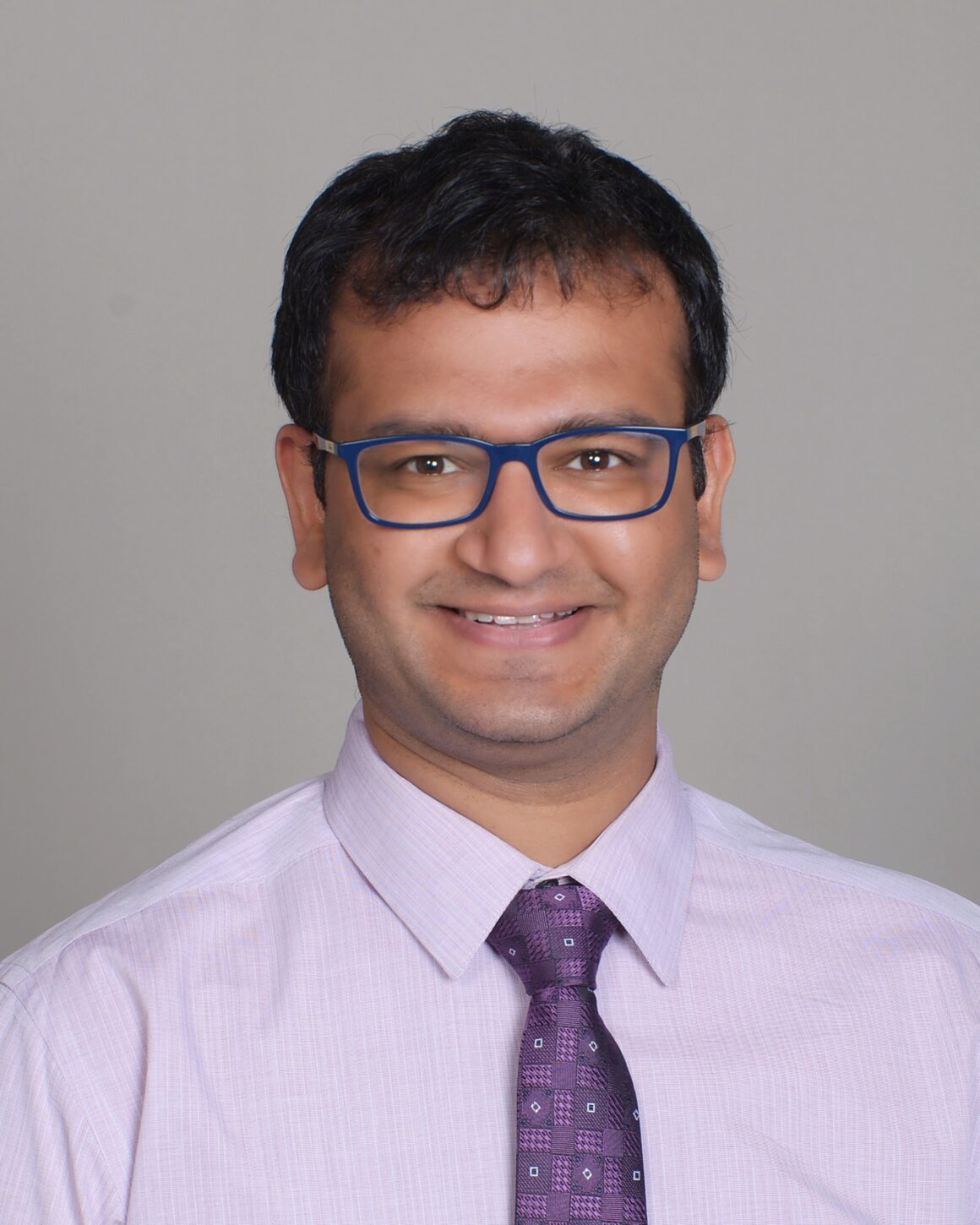
Dr. Arjun Gupta is a gastrointestinal medical oncologist at the University of Minnesota through December 2025, and will join the City of Hope Cancer Center in Arizona on December 29, 2025. His primary research focus is identifying, understanding, and improving the hidden toxicities of receiving cancer care.