“Nobody realizes that some people expend tremendous energy merely to be normal.”
— Albert Camus
People at the Centre of Care
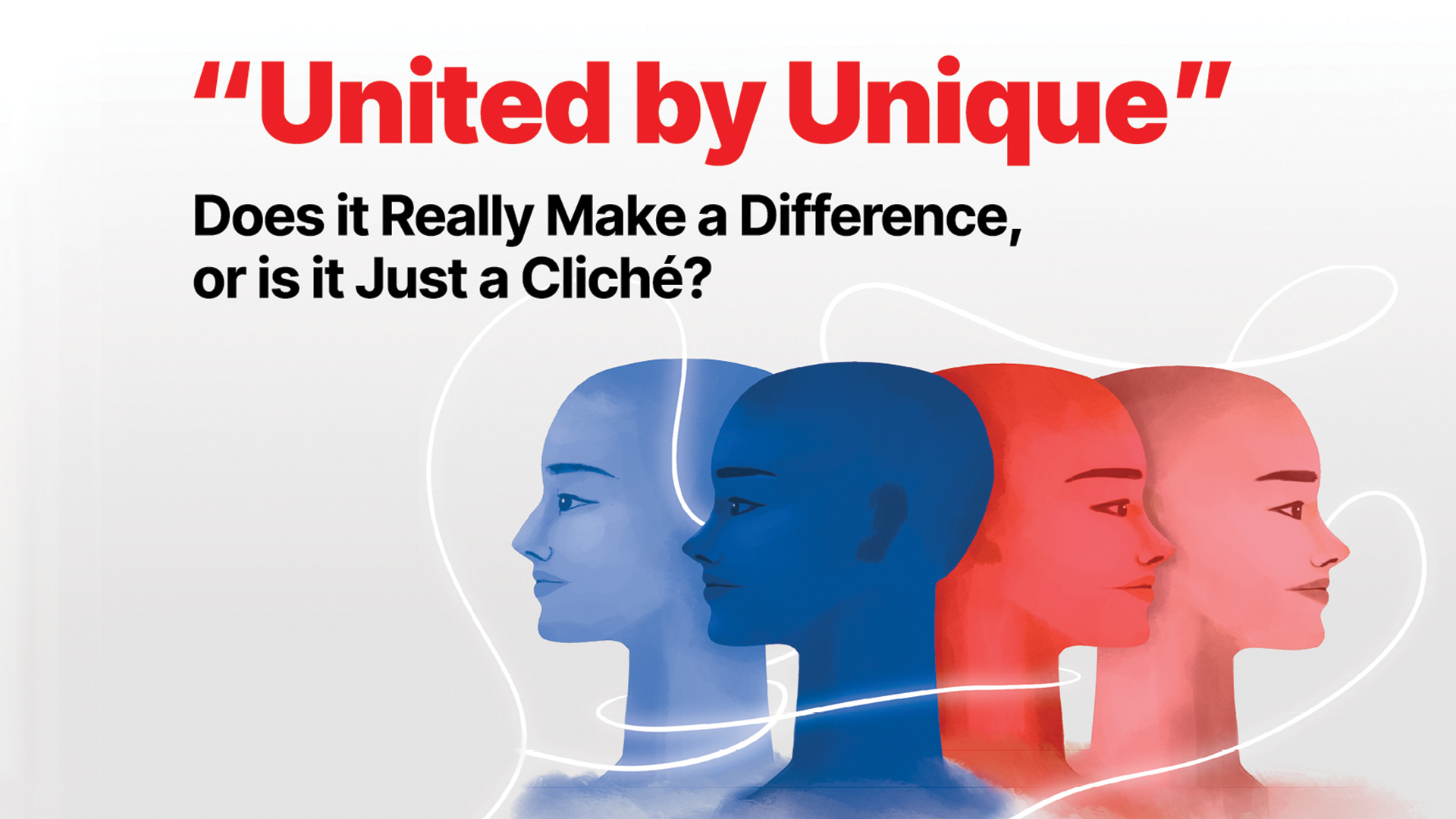
“United by Unique” is the World Cancer Day theme for 2025–2027. This year, the focus is on placing people at the centre of care, with their stories forming the foundation of every conversation. The aim is clear: to make a tangible difference in ways that truly matter.
Each cancer journey is unique, yet our efforts are united. Every emotion is unique, yet the community is united. Cancer itself is unique, but healthcare providers are united in purpose, desire, and challenges. We are advancing rapidly in a world of digitalization and automation, but in this drive toward efficiency, we risk overlooking the feelings that define our humanity—fear, hope, tears, and love. Artificial Intelligence cannot replace these human experiences.
The Paradox of Being Unique and United
We are unique, but are we truly united?
I begin with the words of Albert Camus because they capture a harsh truth of contemporary society: many individuals expend immense effort and make countless sacrifices merely to fit into a relative concept of “normality.” Patients with cancer are no exception. They adapt, sometimes against their own nature, to the demands of society and the expectations of others. Camus’ reflection that we should “live to the point of tears” resonates profoundly with the cancer experience, a life marked by vulnerability, intensity, and hope.
Despite the universal impact of cancer, the psychological and social dimensions of the disease have historically been slow to gain scientific attention. Yet mental health and social well-being are essential for patients and families worldwide. The oncological patient often experiences a compressed sense of time and space, a reality dictated by illness perception.
Perception usually provides orientation in time and space. For cancer patients, however, this perception becomes distorted. Their multidimensional world collapses into a narrow, one-dimensional experience marked by feelings of claustrophobia. Patients may struggle to find peace, both in society and even within their own families, as familiar spaces become constrained. Time is equally transformed: each day is lived as if it were the last, with the persistent question: Is today the final day?
Integrating Illness into Life
The experience of cancer is profoundly stressful, compelling individuals to confront suffering, deterioration, death, and transcendence. Patients must integrate the disease into their sense of identity, relationships, expectations, and the ultimate meaning of life.
Cancer requires significant resources, and care must be optimized for both effectiveness and efficiency. Many patients may not meet clinical criteria for anxiety or depression but nonetheless confront an existential crisis—grappling with questions of meaning, value, and purpose in the face of serious illness. Addressing this dimension of suffering is essential, yet there remains no fully effective intervention to guide patients through this challenge.
Collective Struggle and the Importance of Psychosocial Care
We live in an era where the struggle against cancer is increasingly collective. Experience teaches that we must focus not only on physical symptoms—fatigue, pain, weakness- but also on the lived experiences of patients and their families.
Psychosocial care must be recognized as central to healing, just as advanced treatments are. Research consistently highlights the profound impact of mental health and social support on outcomes, including improved adherence to treatment, enhanced immune response, and better quality of life. Integrating evidence-based approaches such as cognitive behavioural therapy, stress-reduction programs, and tailored support groups is essential.
Beyond clinical tools, care must embody compassion, empathy, and recognition of each patient’s unique journey. As a clinical psychologist, I envision a future where every oncology hospital has dedicated psychosocial teams—therapists, social workers, peer advocates, and spiritual counselors—working hand-in-hand with medical staff. These teams can provide the resources patients and families need to face cancer with resilience and dignity.
Technology also offers transformative potential: e-health platforms can broaden access to support services, connect patients with their communities, and complement—but not replace—the human dimension of care.
Making “United by Unique” Real
“United by Unique” will matter only if it is translated into action. Individuality must be operationalized in care, policy, and research, ensuring that every patient is seen, heard, and supported as a whole person. When uniqueness and unity coexist in practice, cancer care can empower patients and families to navigate the disease with both dignity and hope.
Cancer care is not only about treating the disease; it is about supporting life.
About the Author
Adrian Pogacian, PhD, is a licensed clinical psychologist with advanced training in psycho-oncology. His expertise is in Coping with Cancer, Complicated Grief, Posttraumatic Growth and Meaning-Centered therapy approach.