As cancer survival improves, a critical gap persists: the period after treatment, where psychological distress, identity disruption, and unmet needs remain insufficiently addressed in routine oncology care.
A System Designed for Treatment, Not Transition
“We have to be next to cancer patients when they need it the most, not when we think they need it.”
This observation reflects a persistent misalignment in oncology care. While treatment pathways are highly protocolised and time-sensitive, the transition out of treatment remains comparatively unstructured, despite being a period of significant vulnerability for patients.
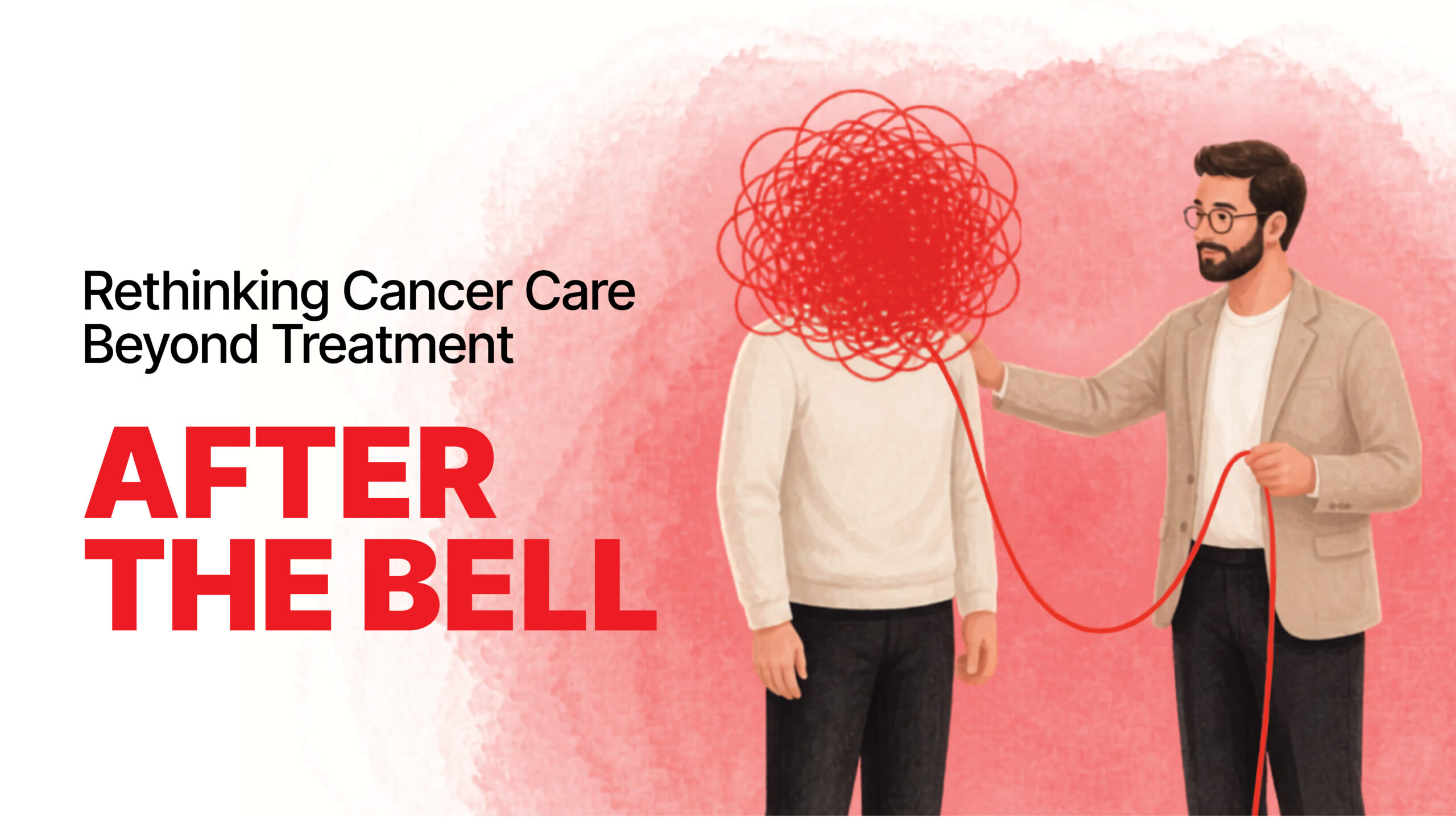
The symbolic act of ringing the bell at the end of treatment encapsulates this tension. It marks clinical completion and is often framed as a return to normality. Yet for many patients, it signals the beginning of a new phase characterised less by certainty than by ambiguity.
Survivorship as a Complex Clinical Phase
Advances in oncology have transformed outcomes across many tumour types, shifting cancer from an acute, often fatal condition to a chronic or manageable disease for a growing number of patients. However, this epidemiological success has not been matched by a proportional evolution in survivorship care.
The post-treatment period is frequently associated with a convergence of relief and distress. Patients may experience persistent physical symptoms, reduced functional capacity, and heightened anxiety regarding recurrence. At the same time, the structured support systems present during active treatment diminish.
Rather than a return to a previous baseline, patients are often required to establish a “new normal” under altered physical and psychological conditions.
Distress Across the Cancer Trajectory
The concept of distress as the “sixth vital sign,” endorsed by the International Psycho-Oncology Society, reflects growing recognition of the psychological burden associated with cancer. Distress encompasses emotional, social, and existential dimensions and is present across the disease trajectory from diagnosis through long-term survivorship.
Despite this recognition, routine assessment and management of distress remain inconsistent in clinical practice.
Importantly, distress does not necessarily decline following treatment completion. In some cases, it becomes more pronounced, as patients transition from intensive medical supervision to less frequent follow-up, while continuing to process the implications of their diagnosis and treatment.
Identity, Stigma, and Self-Perception
Cancer affects not only physical health but also personal identity. Changes in appearance, functional status, and social roles can destabilise established sources of self-esteem. In addition, stigma, whether perceived or internalised, may contribute to a narrowing of identity around the disease.
Evidence suggests that patients who maintain engagement in meaningful activities and roles, even in adapted forms, demonstrate better psychological adjustment. Conversely, early withdrawal from such roles may reinforce vulnerability and reduce resilience.
This highlights the importance of supporting patients not only in managing symptoms, but also in preserving continuity of identity.
Cancer as a Potentially Traumatic Experience
An increasing proportion of patients describe the cancer experience as traumatic. Clinical observations and emerging research point to symptoms consistent with post-traumatic stress in a subset of survivors, including intrusive thoughts, heightened vigilance, and emotional dysregulation.
At the same time, the concept of post-traumatic growth has gained traction within psycho-oncology. Some patients report positive psychological changes, including redefined priorities and increased appreciation of life. However, such outcomes are not universal and should not be assumed.
Facilitating adaptive processing requires structured psychological support and recognition of the full spectrum of patient experiences.
The Persistence of Isolation
A recurrent theme in patient narratives is the experience of increasing isolation following treatment completion. While active treatment involves continuous interaction with healthcare providers, survivorship often entails reduced contact and fewer structured points of support.
“I am more and more alone as time goes by,” as one patient described it.
This perception underscores the need to reconceptualise cancer care as a continuum rather than a series of discrete interventions.
Implications for Oncology Care
The growing population of cancer survivors presents both an opportunity and a challenge for health systems. Addressing survivorship effectively requires integrating psychological and social dimensions into standard oncology care.
Key considerations include:
- systematic screening for distress across all phases of care
- development of structured survivorship programmes
- integration of psycho-oncology into multidisciplinary teams
- support for identity reconstruction and role continuity.
Such approaches are not supplementary but central to comprehensive cancer care.
Beyond Survival
The progress achieved in oncology over recent decades is substantial. However, as survival improves, the limitations of a model focused predominantly on disease control become more apparent.
The post-treatment phase represents an unmet need within current care frameworks—one that carries significant implications for long-term outcomes, quality of life, and health system sustainability.
The question facing oncology is no longer only how to treat cancer, but how to support patients in living beyond it.
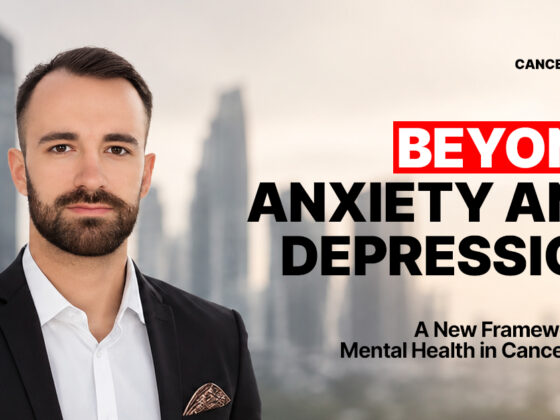
About the Author
Adrian Pogacian, PhD, is a licensed clinical psychologist with advanced training in psycho-oncology. His expertise is in Coping with Cancer, Complicated Grief, Posttraumatic Growth and Meaning-Centered therapy approach.