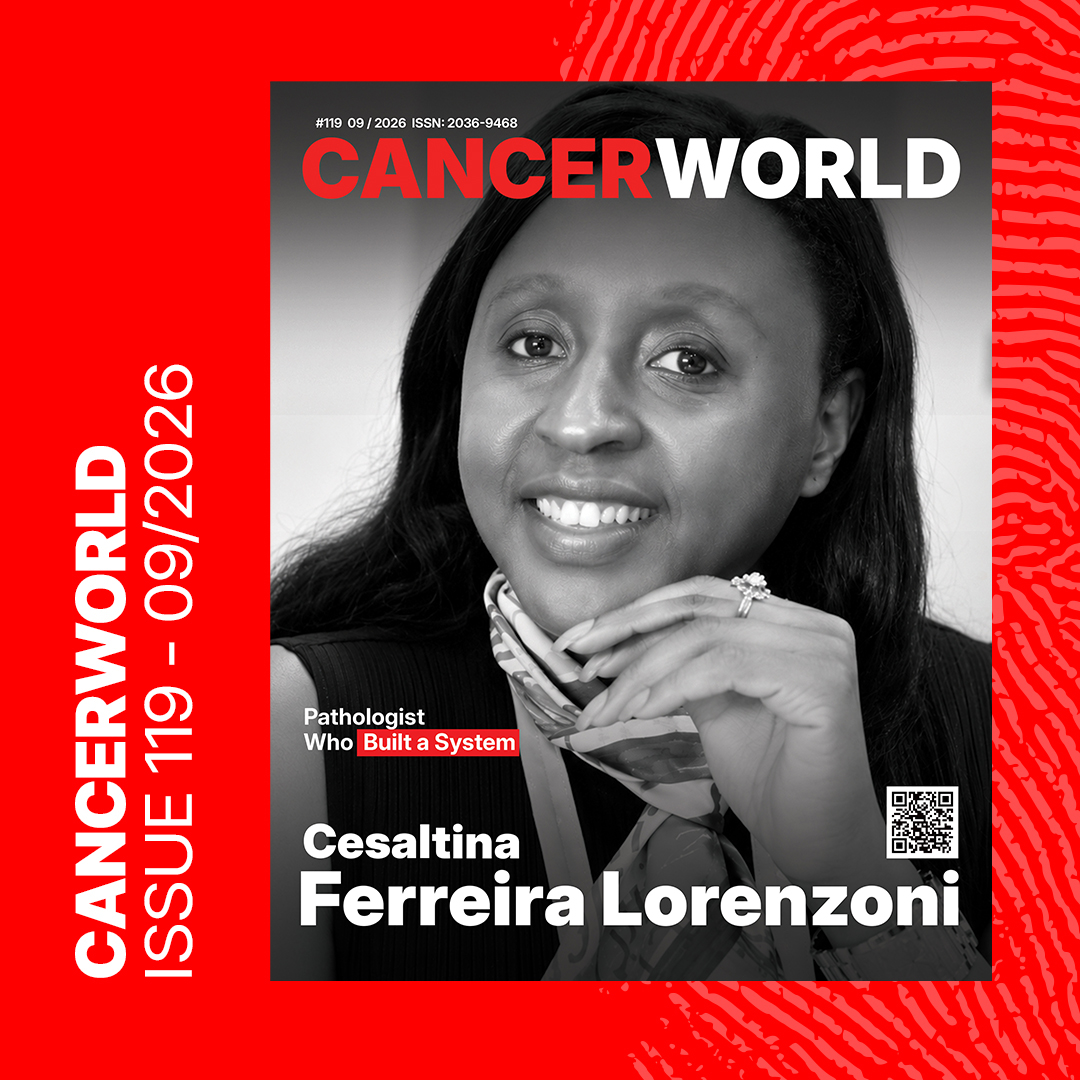
Gevorg Tamamyan: Take me back before medicine. Who was Cesaltina Lorenzoni as a child in Mozambique, and what was the moment you knew you wanted to be a doctor?
Cesaltina Ferreira Lorenzoni: I was born and raised in the capital of Mozambique, Maputo, in a medium-income family, and lived in a well-structured neighbourhood.
From an early age, I understood the importance of pursuing high levels of education and knowledge, with the systematic support of my parents with school and homework; they always encouraged that competitive spirit when it came to school.
At that time, my older brothers were already attending university.
I have always felt called to help others, especially those in greater need, and I saw the medical pathway as a way to accomplish this objective.
I grew up in Mozambique at a time when the country was going through significant changes. I think, even as a child, I was very curious about people, about how things worked, and especially about why things happened.
Medicine was not simply a career choice for me. It gradually became a way of understanding the human being and, ultimately, a way of serving people. I was attracted to the combination of science and humanity – the idea that knowledge could actually change someone’s life.
I cannot pinpoint a single, dramatic moment when I decided to become a doctor. It was more of a conviction that grew stronger as I grew older. I knew I wanted a profession where I could use science, but where what I learned could have a direct impact on another person’s life.
Gevorg Tamamyan: Of all the fields, you chose pathology. It is not the one young doctor’s dream about. What drew you to it?
Cesaltina Ferreira Lorenzoni: I did choose pathology, though not really as my first option; it was mostly due to the country’s greater need at that time.
There were only 3 Mozambican pathologists at that time, and 2 of them worked for our biggest hospital; for 10 years, no one else was joining this sub-field of medicine.
The health services were completely degraded, and there was no incentive for improvement to be made.
It was an unattractive sub-field, and there was a taboo at the time, that pathology was basically just about autopsies.
Despite it all, I thought that, even with the challenges, I could make significant and impactful contributions to this area; I wanted to develop cancer registries, contribute with the knowledge I had, and impact the generations coming after me.
I wanted to understand cancer epidemiology and contribute to policy-making that would mitigate it, as well as contribute to research. I saw all those opportunities in this sub-field.
That was when I turned challenge into opportunity.
Pathology attracted me because it is where medicine meets evidence.
When you look through a microscope, you are not simply looking at cells. You are trying to understand what is happening inside a human being and translate that into a diagnosis that will determine what happens next.
I was fascinated by that responsibility. A pathologist may not always be the doctor the patient sees, but the diagnosis we make can change the entire course of that patient’s treatment.
“And in Mozambique, I quickly understood that pathology was much more than a specialty. It was also an area where building capacity could transform the entire health system”.
Gevorg Tamamyan: You were a young woman, in a country rebuilding itself, entering a field with very few people in it. How difficult was it?
Cesaltina Ferreira Lorenzoni: It was quite difficult, mainly because there were very few of us and the workload was quite heavy.
The work required spending several hours sitting under the microscope, while also carrying the responsibility of making accurate and precise diagnoses. To meet these demands, I had to make many sacrifices in my personal life, especially when it came to the time I could dedicate to my children and my husband.
But I was also fortunate to be entering a field where there was enormous space to contribute.
Being a young woman in a developing health system meant that you sometimes had to work harder than other peers to demonstrate that you belonged in the room, that your scientific voice mattered, and that you could lead.
But I learned very early that competence speaks for itself – provided you are willing to work, to keep learning, and to remain consistent.
“I also understood that I was not only building my own career. I was part of building a profession in Mozambique. That gave the difficulties a different meaning. They were challenges, but they were also opportunities”.
In the end, immediately after completing my specialization, I was appointed to lead the National Pathology Program (PNAPatológica), and subsequently the National Cervical Cancer Program (PNCC).
Gevorg Tamamyan: What is the single most important thing a mentor ever said to you – the sentence you still hear?
Cesaltina Ferreira Lorenzoni: One of the most important lessons I have carried with me is: never be afraid of responsibility.
If you see something that needs to be done and you have the capacity to contribute, step forward.
“I have also learned that leadership is not about having all the answers. It is about having the courage to ask the difficult questions, to listen to others, and then to take responsibility for the decisions that follow”.
That is something I still hear in my head whenever I face a difficult situation.
Gevorg Tamamyan: You went to Barcelona for your PhD. You could have stayed. Many do. Why did you go home?
Cesaltina Ferreira Lorenzoni: Because my purpose was never simply to obtain a PhD. It was to bring knowledge back home.
Going to Barcelona gave me an extraordinary opportunity to learn, to work with international scientists, to understand how cancer epidemiology and population-based research could be developed. But I always saw that experience as something that should strengthen Mozambique.
Mozambique needed people with these skills. We needed cancer data. We needed research capacity. We needed systems that could generate evidence for policy.
So, returning was not really a sacrifice for me. It was part of the reason I went in the first place.
Gevorg Tamamyan: You built a cancer registry where there had been none. Before it existed, the country did not know who was dying of what. What did the data show once it started coming in – and what surprised you?
I established the Maputo Population-Based Cancer Registry, strengthened the registry in the southern region, established one in the northern region, and, more recently, established the National Cancer Registry and developed its policies.
At the same time, I designed the first comprehensive study on cancer registration in Mozambique since independence.
I witnessed significant changes in the epidemiological profile of cancer, including:
- An increase in cervical cancer, breast cancer, prostate cancer, Kaposi sarcoma (KS), and other cancers associated with HIV/AIDS.
- A decline in liver cancer from being the leading cancer to a lower position in the ranking.
- The emergence of increasingly Westernized lifestyle patterns within our population.
The registry changed the conversation because, suddenly, cancer was no longer an abstract problem. We could begin to see who was being affected, by which cancers, where, and at what ages.
One of the most striking realities was the enormous burden of cancers that are preventable or detectable at an earlier stage – particularly cervical cancer.
The data also reinforced something that I already suspected from clinical practice: African countries cannot simply import cancer priorities from high-income countries. Our cancer profile has its own epidemiology, its own realities, and therefore requires its own priorities.
What surprised me most was perhaps not a particular number, but how powerful data became as an advocacy tool. Once you can demonstrate the problem, it becomes much harder for people to say that the problem does not exist.
Gevorg Tamamyan: You are a pathologist. Pathology is where a cancer diagnosis becomes real. What did looking through a microscope in Maputo teach you that a policy document never could?
Cesaltina Ferreira Lorenzoni: A microscope teaches you that behind every statistic there is a person.
A policy document can tell you that thousands of women have cervical cancer. Under the microscope, you see the biological reality of that disease. You see what happens when prevention fails, when screening does not reach someone, or when diagnosis comes too late.
Pathology gave me a very intimate understanding of inequality.
It taught me that the stage at which a patient arrives, the quality of the specimen, the availability of diagnostic technology, the expertise of the laboratory and the time taken to obtain a diagnosis can all determine whether a person has a realistic chance of surviving.
That perspective has stayed with me in every policy discussion I have had.
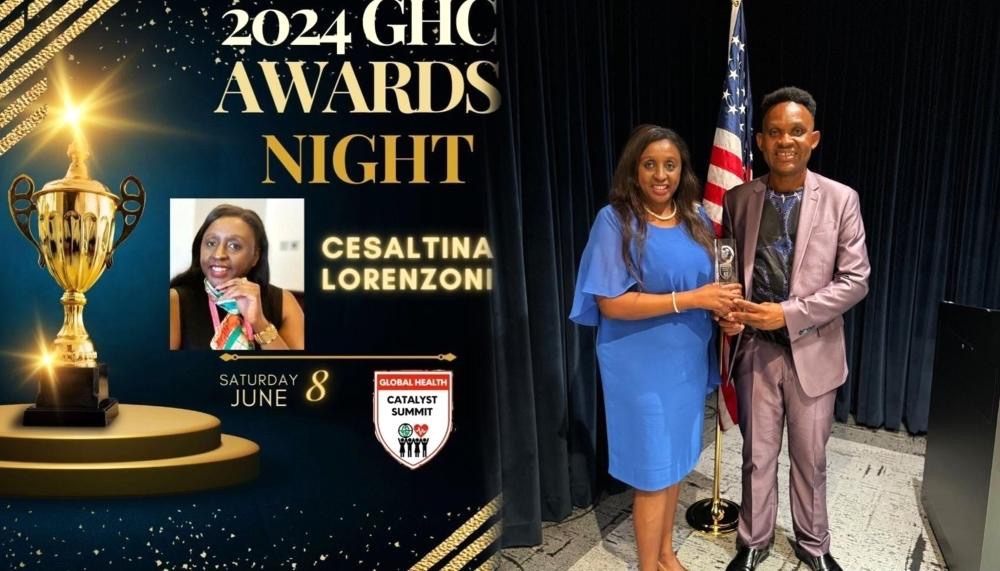
Cesaltina Lorenzoni honored with the “Global Health Leader Award in Cancer” at the Global Health Catalyst Summit in Washington, D.C., June 2024
Gevorg Tamamyan: Cervical cancer is preventable, and it still kills many women in Mozambique. What is the actual bottleneck? Is it money, the health system, or that the women never arrive?
Cesaltina Ferreira Lorenzoni: It is all those things, but if I had to identify the central problem, I would say access and continuity of care.
It is not enough to screen a woman. We have to identify her, communicate the result, provide diagnosis, when necessary, treat her, and make sure she is followed.
We need prevention through HPV vaccination. We need accessible screening, including new technologies that can work in settings where traditional approaches are difficult. We need trained health workers, functioning laboratories, referral systems and treatment capacity.
And yes, we have to address the reasons women do not arrive – distance, cost, information, fear, social circumstances and the opportunity cost of seeking care.
The solution, therefore, cannot sit in one part of the health system. Cervical cancer elimination requires the whole system to work together.
Gevorg Tamamyan: Why does cervical cancer continue to be one of the leading causes of death among Mozambican women?
Cesaltina Ferreira Lorenzoni: Cervical cancer continues to be one of the leading causes of death among women in Mozambique due to a combination of several factors.
First, there is a high prevalence of infection with human papillomavirus (HPV), which is responsible for virtually all cases of cervical cancer. Our studies indicate an HPV prevalence of approximately 24% in the general population, although this may vary considerably across different populations.
Second, there is a strong association between HIV and cervical cancer. Women living with HIV have approximately a six-fold higher risk of developing cervical cancer, as they are more likely to experience persistent HPV infection and more rapid progression from precancerous lesions to invasive disease.
Another important factor is that many women are diagnosed at an advanced stage of the disease. At this stage, the chances of cure are lower, and treatment becomes much more complex, requiring well-trained multidisciplinary teams, specialized equipment, and access to specialized treatment centres.
There are also persistent barriers to accessing healthcare services, particularly for women living in rural or geographically isolated areas. Distance, transportation difficulties, costs, stigma, and the limited availability of specialized services can all contribute to delays in screening, diagnosis, treatment, and follow-up.
Finally, insufficient coverage of HPV vaccination and cervical cancer screening limits opportunities for prevention. HPV vaccination reduces the risk of infection with the main HPV types associated with cervical cancer, while screening allows precancerous lesions to be identified and treated before they progress to invasive cancer.
Therefore, the challenge in Mozambique is not only controlling HPV. It is ensuring that every woman has timely access to vaccination, screening, diagnosis, treatment, and follow-up. It is this continuum of care that can transform cervical cancer from one of the leading causes of death among women into a disease that is preventable and, ultimately, potentially eliminable as a public health problem.
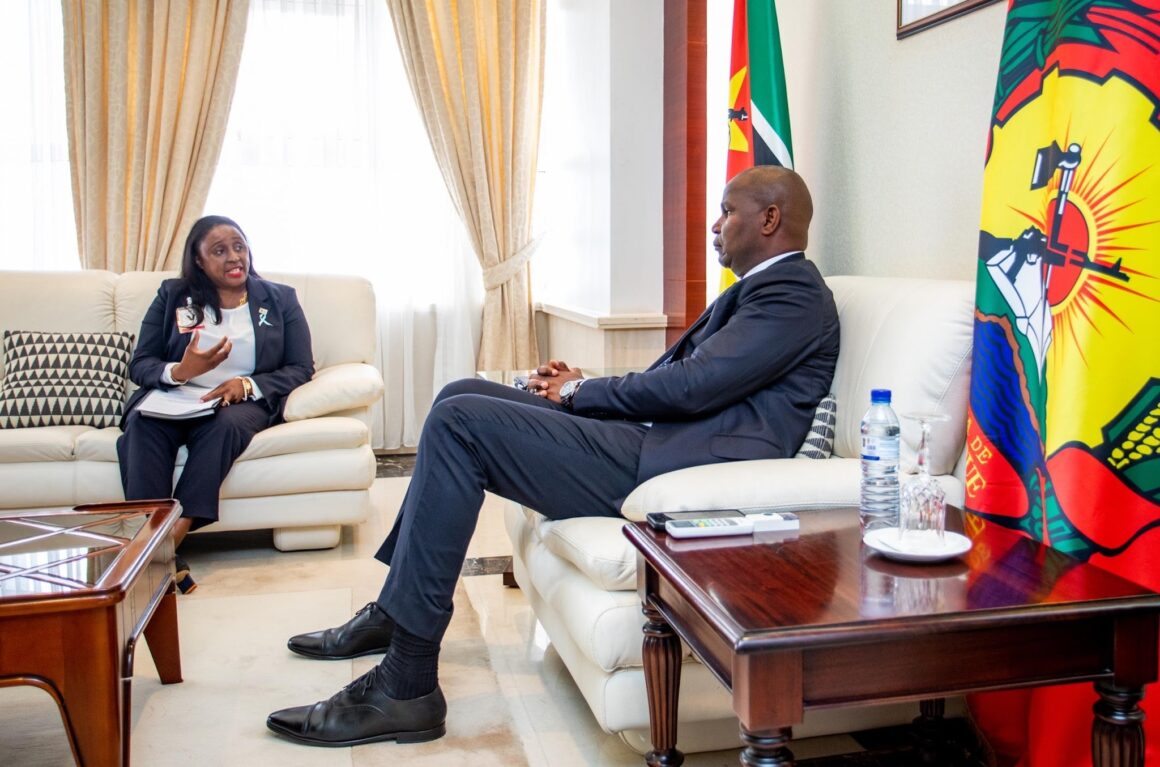
Cesaltina Lorenzoni with the President of Mozambique, Daniel Francisco Chapo, during a meeting in Maputo on 21 November 2025, following her election as President of the African Organisation for Research and Training in Cancer (AORTIC) for the 2025–2027 term
Gevorg Tamamyan:You are the first AORTIC President from a Portuguese-speaking African country. Lusophone Africa is often almost invisible in the global cancer conversation. Why has that been – and what does the PALOP experience bring?
Cesaltina Ferreira Lorenzoni: Part of the reason is historical. The global health conversation has often been dominated by countries and institutions that have greater visibility, greater research funding and stronger international networks.
We are a minority, and we face a significant language barrier, which affects our participation in international conferences, our ability to publish scientific articles, our competitiveness in applying for research funding and projects, and our ability to establish and expand international partnerships.
The PALOP countries bring important perspectives precisely because our health systems have had to innovate under constraint. We understand the realities of limited resources, workforce shortages, fragmented data and the need to integrate cancer into broader health-system strengthening.
We also bring a different linguistic and cultural bridge – connecting African realities with Portuguese-speaking institutions in Europe and beyond.
“I want Lusophone Africa to be seen not as a peripheral part of the African cancer story, but as an essential part of it”.
Gevorg Tamamyan: You have spent years building research partnerships between Mozambique and institutions abroad. What makes a partnership genuinely equal?
A genuine partnership is not one in which one side brings the money and the other side provides the patients or the data.
That is not partnership. That is extraction.
An equal partnership means that African researchers also get to participate from the beginning: defining the questions, designing the study, owning and interpreting the data, publishing the results, and leading the scientific agenda.
We need to move from research being done in Africa to research being led by Africa.
International institutions have an important role to play, but the long-term goal should be to strengthen African institutions so that African scientists increasingly have the resources, infrastructure and confidence to define the questions themselves.
Gevorg Tamamyan: AORTIC represents countries with very different systems. As President, what is the one thing you want to be different on the continent when your term ends in 2027?
Cesaltina Ferreira Lorenzoni: I want us to have a stronger African cancer voice – one that is based on African evidence and African priorities.
Africa should not be constantly reacting to global cancer agendas. We should be helping to shape them.
That means stronger cancer registries, stronger research networks, better training, better prevention and early detection, and stronger national cancer control programmes.
“But above all, I want AORTIC to leave a legacy of stronger African leadership: African institutions collaborating with one another, African scientists leading research, and African governments treating cancer as a development and health priority”.
I want there to be an expansion of collaboration between different organizations and agencies.
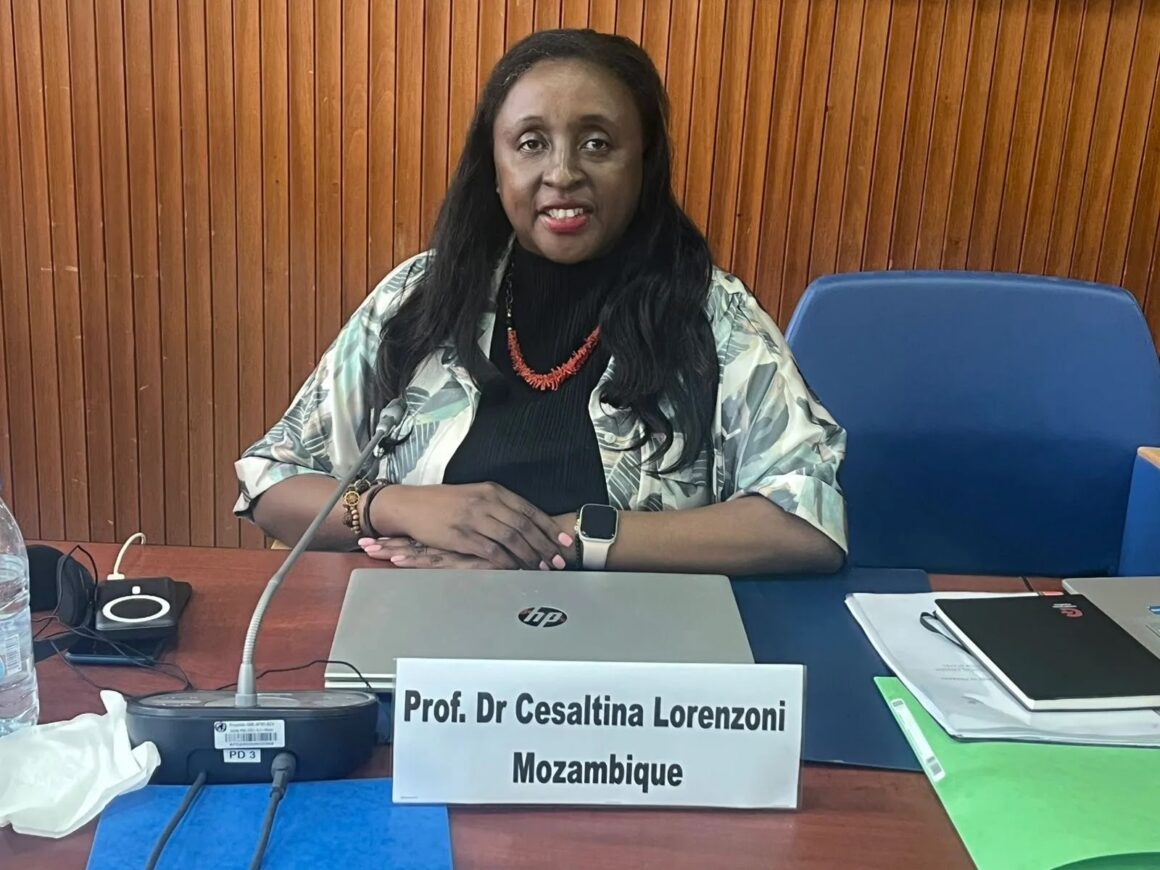
Cesaltina Ferreira Lorenzoni, AORTIC President attends key WHO Africa meeting in Brazzaville-Cong, December, 2025
Gevorg Tamamyan: What are the major global health institutions still getting wrong about cancer in Africa? If you could make them change one thing tomorrow, what would it be?
Cesaltina Ferreira Lorenzoni: There is still a misconception that cancer is not a priority in Africa. There is an incomplete belief that communicable diseases are the only big health concern in Africa.
I would ask the institutions to stop thinking of the African continent as one place with one problem.
There is enormous diversity across the continent – epidemiologically, economically, culturally and in terms of health-system capacity.
We need global institutions to listen more carefully to national and regional expertise and to invest in long-term systems rather than isolated projects.
If I could change one thing tomorrow, it would be who defines the questions.
African countries should not simply be the setting where international research is conducted. We must be the people defining the research questions, leading the studies and using the evidence to shape policy.
Gevorg Tamamyan: A young Mozambican doctor is offered a post in Europe next month. What do you tell her?
Cesaltina Ferreira Lorenzoni: I would tell her: go if it will help you grow – but never forget where your knowledge is most needed.
There is nothing wrong with going abroad. International exposure can transform a young doctor’s career. I benefited enormously from studying outside Mozambique.
But I would encourage her to think beyond the question, “Where can I build the best career?”
I would also ask: “Where can my knowledge have the greatest impact?”
You can leave Mozambique and still remain deeply connected to the country. You can learn abroad, build networks abroad, and eventually return with knowledge, relationships and resources that can strengthen your country.
“The world is bigger than borders. But our responsibilities to the places that shaped us do not disappear when we cross those borders”.
Gevorg Tamamyan: Who should I interview next – and what should I ask them?
Cesaltina Ferreira Lorenzoni: I would suggest that you interview a philanthropist/health advocate that can help raise funds for cancer control, and bigger partnerships in Africa.
Someone whose voice can reach governments and influential organizations and help them realize that cancer is an important item for them to have in their agendas.
And I would propose the question:
“What is the cancer problem in Africa that everyone knows about, but nobody is brave enough to solve – and what would you do differently if you had the resources and the authority to change it?”
I would interview someone who represents the next generation of African cancer leadership – perhaps a young African scientist, oncologist, pathologist or public-health professional who is trying to build something in their own country.
Because ultimately, the future of cancer control in Africa will depend not only on the institutions we build today, but on whether we create the space for the next generation to lead.