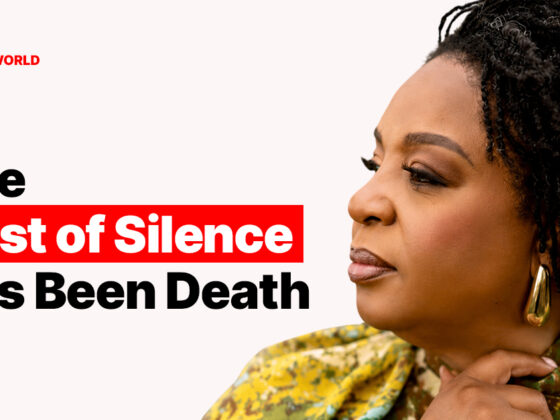
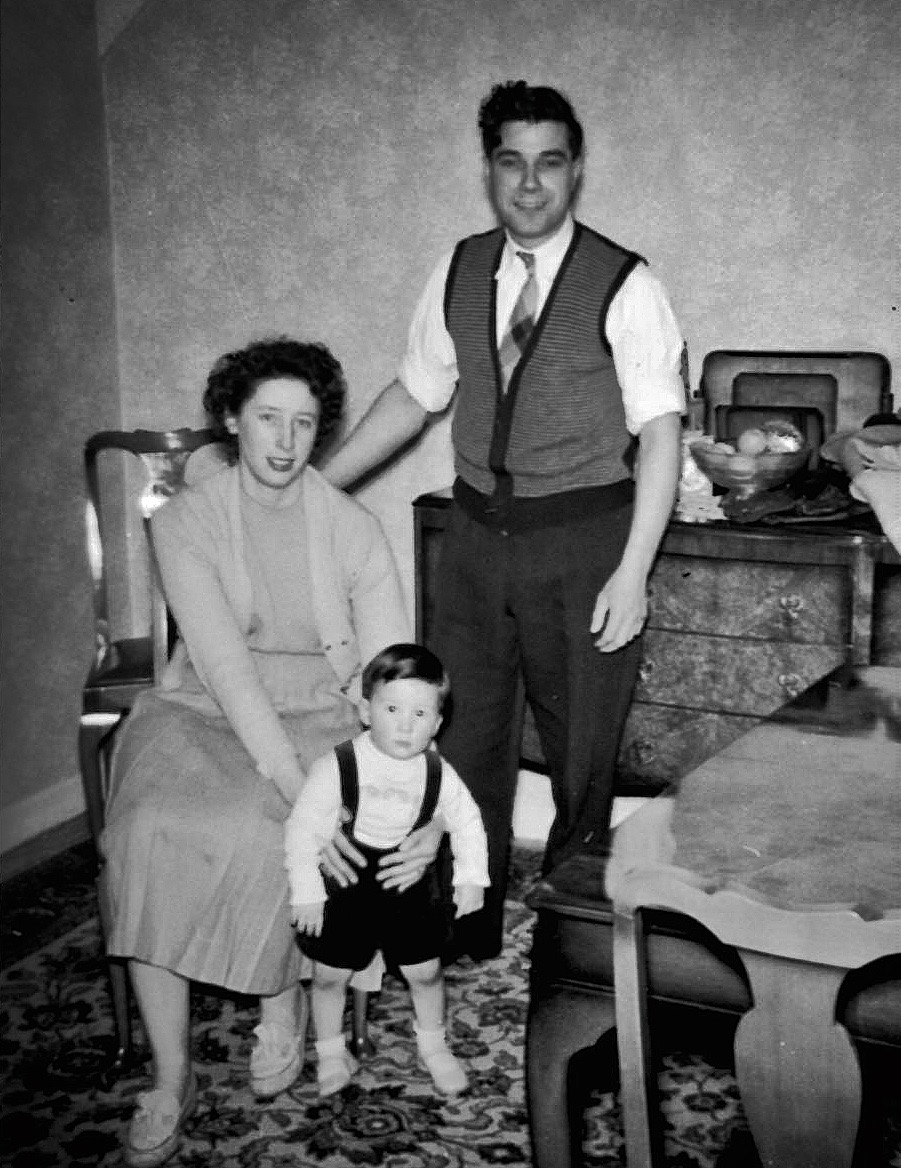
John Walker Pattison with his family
A Diagnosis That Changed Everything
I was born in South Shields sixty-nine years ago. My childhood was happy, if uneventful, and I left school with what I would later describe as a handful of worthless qualifications before starting work in a local shipyard. At eighteen, I was enjoying life—travelling across the country to see rock bands, working hard, and thinking little about the future.
Then cancer intervened.
What began with rapid weight loss, drenching night sweats, and relentless fatigue ended in collapse at work and an emergency hospital admission. The diagnosis was stark: stage IV lymphocyte-depleted Hodgkin lymphoma, a rare and aggressive subtype particularly unusual in someone my age. My parents were told that my chances of survival were slim.
I was not told.
That silence, however, well-intentioned would shape my experience as profoundly as the disease itself.
Treatment in the 1970s: Survival at Any Cost
My treatment began with the MOPP chemotherapy regimen. It was, quite simply, brutal. The physical side effects were relentless, but the psychological toll was equally severe. I found myself in places of deep despair, and I have no hesitation in saying that I contemplated suicide more than once.
After six months, I entered remission. It lasted only a few months.
The cancer returned repeatedly, each time more aggressive. I underwent further treatment with intramuscular bleomycin and oral cyclophosphamide easier to tolerate in the short term, but with consequences that would reverberate decades later. When remission again proved fleeting, I moved on to COPP chemotherapy, enduring side effects that were, at times, humiliating and overwhelming.
As the disease continued to relapse, radiotherapy was initiated, targeting the mediastinum. Christmas 1976 remains one of the darkest periods of my life—physically depleted, psychologically fragile, and profoundly isolated.
By early 1977, after a fourth relapse, my parents were told unequivocally: I would not survive. “John is not going to recover from this cancer,” my oncologist stated.
Still, I was not informed.
At that stage, treatment shifted to palliation. The goal was no longer cure, but symptom control. I began single-agent vinblastine in March 1977, administered weekly or biweekly depending on my blood counts. In late August, I travelled to North Carolina to recuperate with relatives, before returning to Newcastle General Hospital for further investigations.
The night before my results, fear was overwhelming. Walking down the corridor the next day, my gaze fixed to the ground, I prepared myself for the worst.
Then my consultant, Dr Atkinson, appeared in the doorway, arms raised, smiling:
“You’re clear, all bloody clear.”
Against all expectations, I had survived.
The Hidden Legacy of Cure
Survival, however, came at a cost one that was not fully explained at the time.
I was never told that my treatment would leave me infertile. Acting on impulse, I married, though the relationship did not last. We later adopted a daughter. Nor was I warned about the long-term health consequences of the therapies I had received.
Today, I live with the late effects of those treatments: hypopituitarism, pulmonary fibrosis, osteoporosis, and, more recently, a further cancer diagnosis—all consequences of the chemotherapy and radiotherapy that saved my life in the 1970s.
These experiences reflect a broader reality for many long-term survivors of Hodgkin lymphoma treated in earlier decades. The success of treatment was undeniable, but so too were its long-term consequences.
When Cancer Returns — Through Family
Eight years after my own recovery, cancer returned to my life in a different and devastating way. My four-year-old daughter, Donna, was diagnosed with terminal leukaemia.
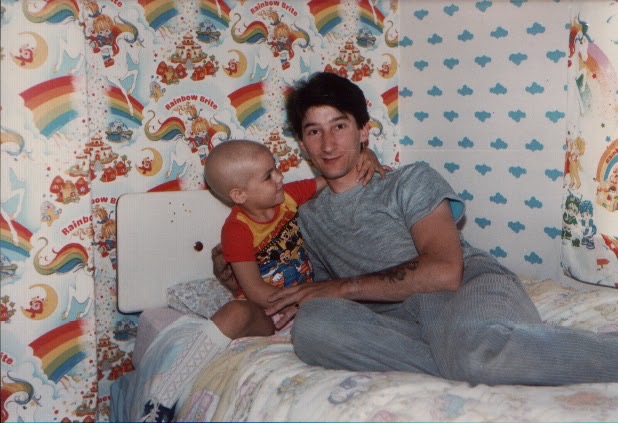
Donna and John, during her treatment
Watching her endure chemotherapy brought back every memory of my own experience. Yet, like me, she defied expectations. She survived and went on to represent Team GB at the World Swimming Championships in New Zealand, winning two silver medals.
Her story is a testament not only to resilience, but to the progress made in cancer treatment across generations.
From Patient to Cancer Nurse Specialist
My experience with cancer instilled in me a powerful sense of purpose. I returned to education, gained the qualifications I had once lacked, and trained as a nurse. Over time, I rose to become a senior cancer nurse specialist working in the very hospital where I had first been diagnosed.
Caring for patients facing the same disease I had once endured brought a unique perspective to my work. I understood the fear, the uncertainty, and the psychological toll in a way that went beyond clinical training. Cancer had nearly taken my life; instead, it gave me a vocation.
Meaning Beyond Medicine
Throughout my journey, I found strength in places beyond the clinical setting. Music, particularly the influence of the band Hawkwind, became a source of inspiration. I later joined their road crew, touring across the UK, and even performed on stage at Donnington Festival, rewriting the lyrics of Ten Seconds of Forever to reflect the first ten seconds of a cancer diagnosis.
Spirituality also played a defining role. After receiving a copy of Bury My Heart at Wounded Knee during treatment, I found solace in the history and spirituality of the Lakota Sioux. I promised myself that if I survived, I would visit Wounded Knee in South Dakota, a promise I have fulfilled multiple times.
In 2018, I spent a week on the Pine Ridge Indian Reservation and was honoured as an honorary member of the tribal council—one of the greatest recognitions of my life.
Survivorship, Identity, and the Need for Long-Term Care
Now, more than fifty-one years after my diagnosis, I am among the longest-living cancer survivors in the UK—perhaps even globally. Yet survivorship is not simply a success story. It is a complex, ongoing experience shaped by late effects, secondary cancers, and psychological reflection.
I retired four years ago due to health issues linked to my treatment. My journey underscores the importance of long-term survivorship care—an area that continues to evolve as more patients live beyond cancer.
Telling the Story of Survivorship
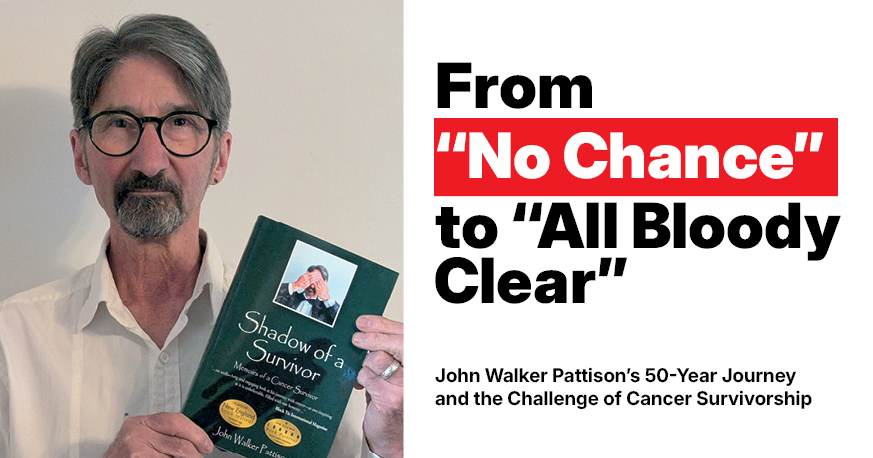
I wrote Shadow of a Survivor as a raw, honest account of this journey. It is a story shaped by illness, but not defined by it—a reflection on resilience, family, spirituality, music, and hope.
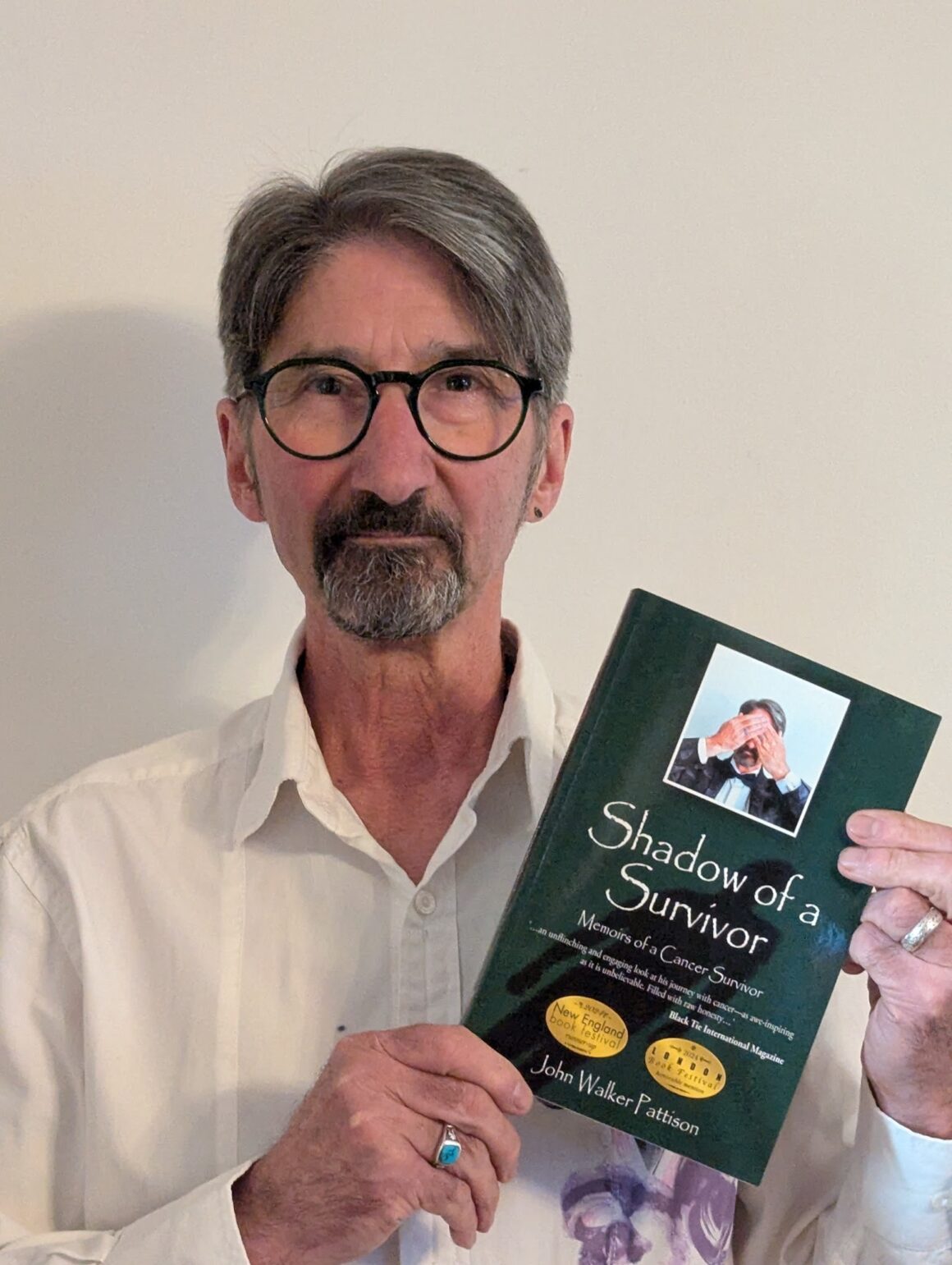
John Walker Pattison: Shadow of a Survivor
As one commentator described it: “It’s more than a cancer story—it’s a story of purpose, humanity, and turning pain into power.”
Cancer remains one of society’s greatest fears, but behind every diagnosis is a human story—complex, emotional, and often unpredictable. Mine is just one of them.
Looking Forward
My life was once given up for lost. Today, it is a story I hope can help others—patients, clinicians, and policymakers alike—better understand not only what it means to treat cancer, but what it means to live beyond it.
Because survival is not the end of the story. It is where the real work begins.
And if there is one lesson I would leave behind, it is this: never look back unless you can do so with reflection—and never look forward without the courage to dream.
About the Author
John Walker Pattison is a multiple-award-winning memoirist and one of the UK’s longest-living cancer survivors. Outside of writing and reflection, he enjoys fly-fishing and photography.