We often describe progress in oncology through the language of innovation. New drugs. New technologies. New discoveries. Yet scientific breakthroughs rarely change cancer care on their own. They require people willing to pursue difficult ideas, build institutions, challenge accepted thinking, and ensure that innovation reaches those who need it most.
This issue explores what happens after discovery—how innovation becomes practice, institutions become stronger, and breakthroughs become better care. Above all, it is about the people who make progress possible.
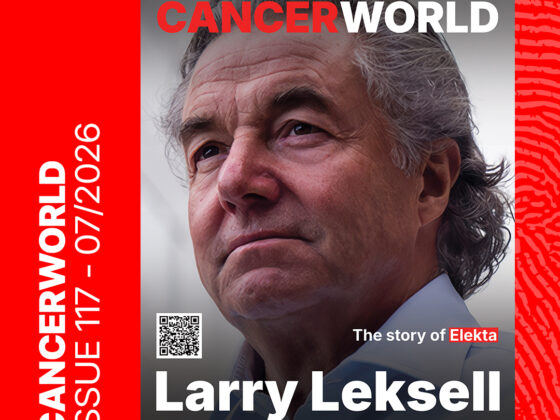
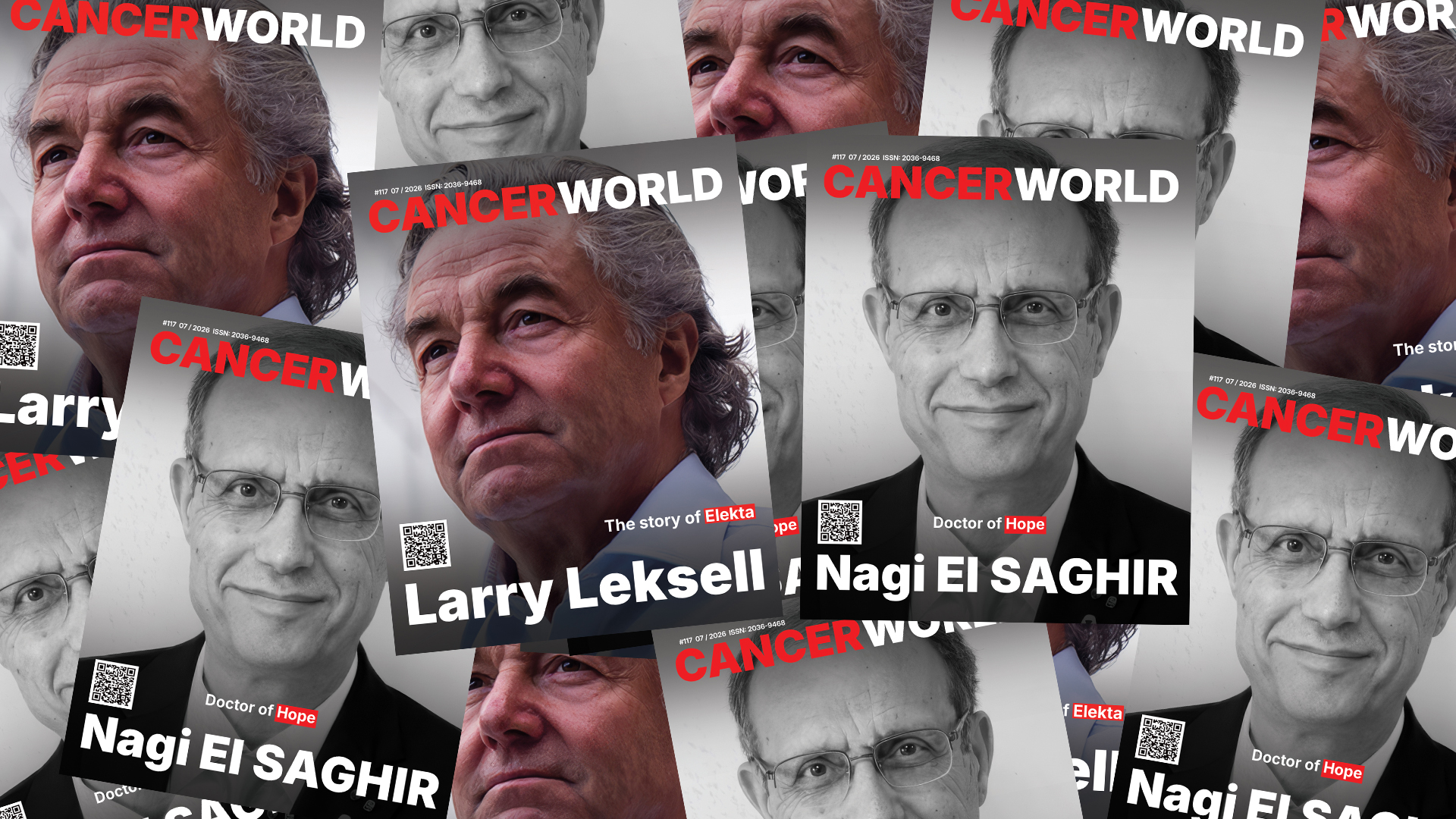
Our July cover story explores the remarkable journey of Elekta, from an unlikely family startup to one of the companies that helped transform modern radiation oncology. Larry Leksell reflects on decades of innovation, setbacks, and perseverance and explains why the future of cancer care will be shaped as much by access and intelligent automation as by scientific breakthroughs.
Our second cover story profiles Professor Nagi El Saghir, whose career has reshaped cancer care across the Middle East while helping redefine global oncology. From changing public perceptions of cancer in Lebanon to advancing international education, research, and equitable access to care, his story is one of vision, leadership, and enduring hope.
Another highlight of this issue is Professor Tezer Kutluk, a pediatric oncologist whose career has helped shape cancer control far beyond the bedside. Reflecting on four decades of leadership in medicine, policy, and global advocacy, he argues that the greatest challenge in oncology today is no longer scientific innovation, but ensuring that its benefits reach every patient, everywhere.
That idea runs throughout this issue. Again and again, our contributors return to the same question: what ultimately determines progress? Rarely is it discovery alone. More often, it is the people who carry discoveries into practice, build systems around them, and ensure they become part of everyday care.
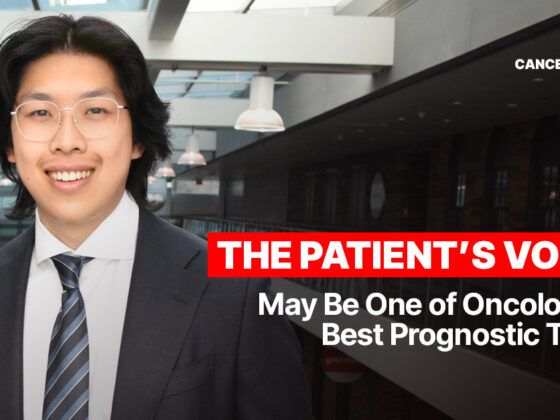
Leadership, however, is not confined to institutions. Sometimes it begins with lived experience. Karen Nakawala transformed her own cervical cancer diagnosis into a powerful movement for survivor leadership and better cancer care, reminding us that some of the most meaningful advances in oncology begin not in laboratories, but in the voices of patients determined to create change.
Progress also depends on remembering the breakthroughs that changed the course of medicine. Twenty-five years after the introduction of imatinib, Brian Druker reflects on the scientific curiosity, perseverance, and partnership with patients that transformed chronic myeloid leukemia and ushered in the era of targeted therapy. It is a reminder that every revolution in oncology begins with a question—and the determination to pursue it.
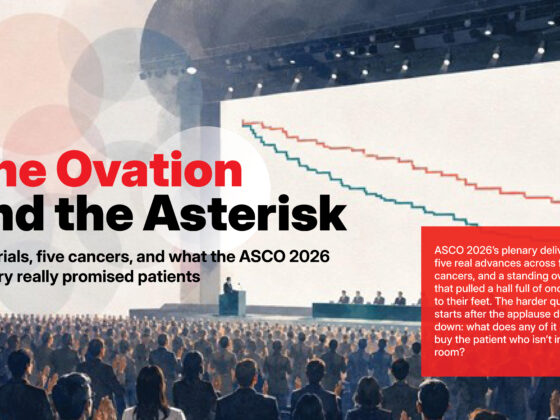
The next chapter of that story is already unfolding. One of the defining moments at ASCO 2026 came with the standing ovation for the landmark Phase 3 RASolute 302 trial. Through OncoDaily’s exclusive interview with Dr Alan Sandler and the accompanying perspective of Dr Eileen O’Reilly, we explore why daraxonrasib may represent a turning point for pancreatic cancer—and why RAS, once considered beyond therapeutic reach, is now becoming targetable well beyond KRAS G12C.
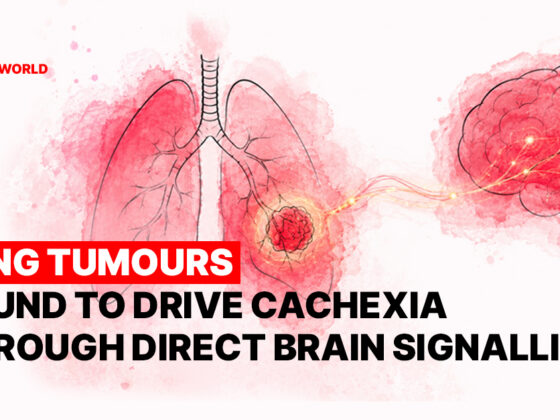
Not every important discovery arrives as a practice-changing trial. New research presented at ASCO 2026 suggests that GLP-1 receptor agonists, widely used to treat diabetes and obesity, may also reduce the risk of metastatic progression in several cancers. The findings remain preliminary, but they illustrate how advances in one field of medicine can unexpectedly open new directions in another.
Innovation, however, has little value if patients cannot access it. Radiotherapy remains one of the most effective treatments in oncology, yet millions of people worldwide still live beyond its reach. It echoes a central theme of our cover story, where Larry Leksell argues that innovation matters only when it reaches patients. Our feature on global inequalities in radiation treatment reminds us that geography continues to shape outcomes as profoundly as biology, making equitable access one of the defining challenges of modern cancer care.
Finally, we turn to a dimension of oncology that technology alone cannot address. As cancer care becomes increasingly sophisticated, psycho-oncological education is emerging as an essential part of supportive care. Empowering patients and caregivers with knowledge, communication, and emotional support is not simply about improving the experience of cancer—it is about improving care itself.
A single thread connects every story in this issue. Progress in oncology is never driven by scientific discovery alone. It depends on the people who translate innovation into access, leadership into stronger systems, and knowledge into better lives. Ultimately, scientific progress changes lives only when people turn discovery into better care.