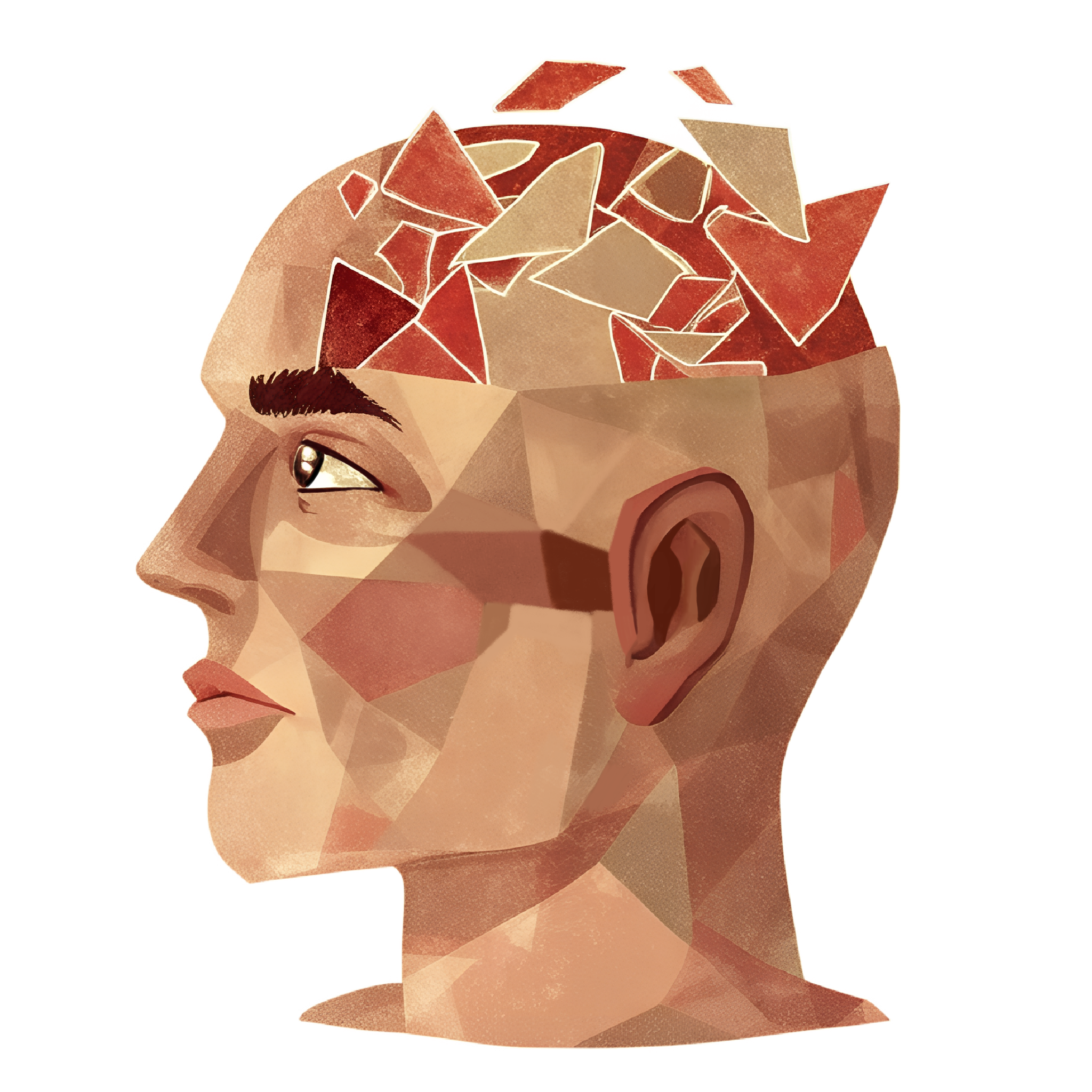
“When this tumor entered our lives, nothing felt stable anymore — we had to rebuild our days piece by piece,” a caregiver recalls.
Why brain cancer survivorship needs to move center stage — as research pushes into AI, precision medicine and new therapies
When a patient completes treatment for a primary brain tumor, the hardest part is often not over.
Unlike survivorship in many other cancer types, emerging from neurosurgery, as well as radiotherapy, chemotherapy, and disease monitoring, is only the beginning of a long and complex journey — one that for some continues for decades, and for some lasts the rest of their lives.
Clinicians and policymakers are beginning to recognize that survivorship in neuro-oncology is not simply a matter of reducing recurrence risk. It is a lifelong process, shaped by cognitive changes, neurological and neurocognitive deficits, psychological adjustment, work and social identity, caregiver burden, and the availability (or absence) of coordinated rehabilitation services. At the same time, the field is advancing rapidly — from molecularly targeted therapies to AI-enabled imaging and adaptive clinical trials — raising important questions about equity and system readiness.
This is the defining tension in brain tumor care today: scientific innovation is accelerating, while survivorship support structures lag behind.
Survivorship Begins at Diagnosis — Not After Treatment
Clinicians involved in the treatment of brain tumors now increasingly frame survivorship as beginning at the moment of diagnosis. Tumor biology, neurosurgical intervention, radiotherapy effects, anti-epileptic therapy, chronic fatigue, endocrine consequences, and cognitive impacts interact over time and cannot be understood in isolation. Cognitive changes may emerge gradually and fluctuate. Emotional and behavioral adjustment may require months or years to consolidate. As one survivor put it:
“Some days my mind is clear and perfectly functioning, and others it slips away from me — and that’s the part I never expected.”
Core dimensions of brain tumor survivorship include cognitive function, neurological function, epilepsy and medication burden, endocrine and fatigue effects, fertility, psychosocial well-being, work, and social participation.
These are not secondary outcomes. They are the outcomes that determine daily living.
The Critical Unmet Need: Coordinated, Multidisciplinary Survivorship Care
Despite growing recognition, structured survivorship pathways remain inconsistent. Neuropsychology and rehabilitation services are unevenly distributed. Coordination across oncology, neurology, rehabilitation medicine, and primary care often relies on individual clinician initiative rather than integrated systems.
Three persistent structural gaps remain: cognitive and functional follow-up is not routine; rehabilitation pathways are fragmented; socioeconomic and geographic inequities persist.
As a result, patients with similar clinical needs may receive very different levels of survivorship support depending on where they live.
The Next Frontier in Treatment — And the Risk of Widening Disparities
Molecularly targeted therapies and precision treatment have already changed the trajectory of care. IDH mutation status, 1p/19q co-deletion, MGMT promoter methylation, BRAF alterations and histone mutations influence not only prognosis but also eligibility for targeted agents available or now in clinical trial pipelines. Several small molecules are being studied in clearly defined genomic subgroups, including inhibitors targeting IDH-mutant gliomas and agents modulating downstream signaling pathways in pediatric and adult high-grade gliomas. Notably, the European Medicines Agency recently approved the first targeted approach for IDH-mutant low-grade glioma patients, with the aim of postponing disease progression and delaying the need for further treatments in patients with low-risk factors who achieved any type of surgery.
This trend marks a genuine change in therapeutic strategy: the goal is not only to slow tumor growth but to do so in ways that reduce collateral cognitive and neurological impact. However, it depends on reliable access to molecular testing and expert interpretation, which is still not homogeneous across Europe and low-resource regions.
Immunotherapies — including peptide vaccines, dendritic cell strategies, and CAR-T approaches — have entered early-phase clinical studies for gliomas. These trials have shown feasibility and potential signals of biological activity.
However, current evidence remains preliminary. Most data come from small cohorts, and durable survival benefits have not yet been demonstrated in larger, controlled settings. Challenges include antigen heterogeneity, local immunosuppression within the tumor microenvironment, and managing treatment-related inflammation. For now, immunotherapy should be viewed as a promising research direction rather than an established clinical option.
AI-assisted MRI analysis and radiogenomic mapping may soon allow non-invasive prediction of molecular markers, improved response assessment, and more adaptive and efficient clinical trial stratification. But widespread clinical use will require prospective validation, regulatory guidance, and reimbursement — without which these tools may remain accessible only in specialized centers.
Why Survivorship Must Advance Alongside Innovation
Extending survival without supporting cognitive and functional outcomes risks shifting the burden from healthcare systems onto survivors and their families. Survivorship quality improves only when cognitive assessment and rehabilitation are embedded in care pathways; molecular testing and new therapies are equitably accessible; AI and clinical innovation are evaluated in real-world populations, not only academic centers; caregiver support and social reintegration are recognized as core components of care.
In conclusion, the question is not only how long people can live after a brain tumor. It is how well.
About the Author
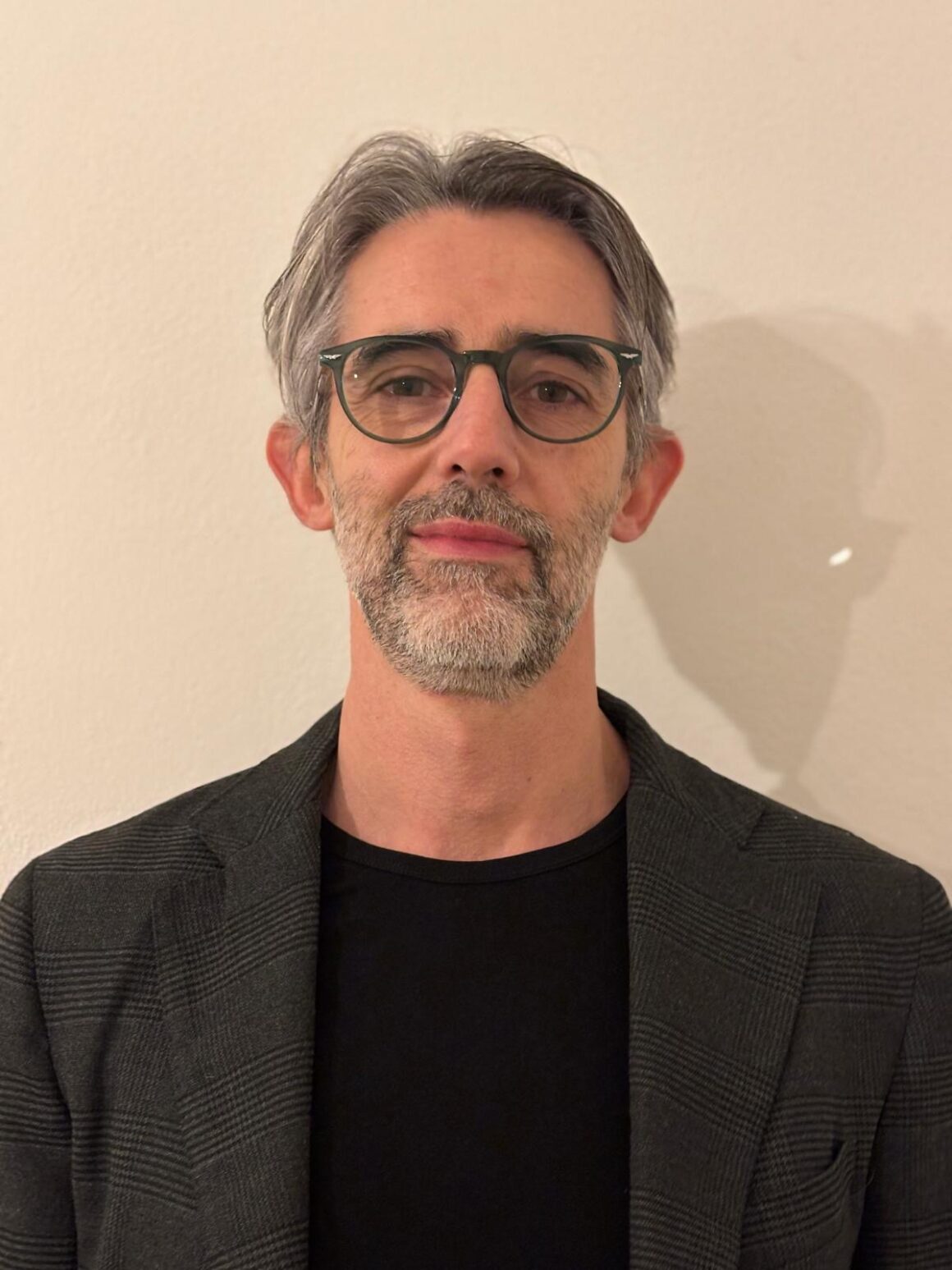
Dr. Enrico Franceschi is Chairman of the Nervous System Medical Oncology Department at the IRCCS Istituto delle Scienze Neurologiche di Bologna, AUSL di Bologna, overseeing clinical care, research, and multidisciplinary programs in neuro-oncology.