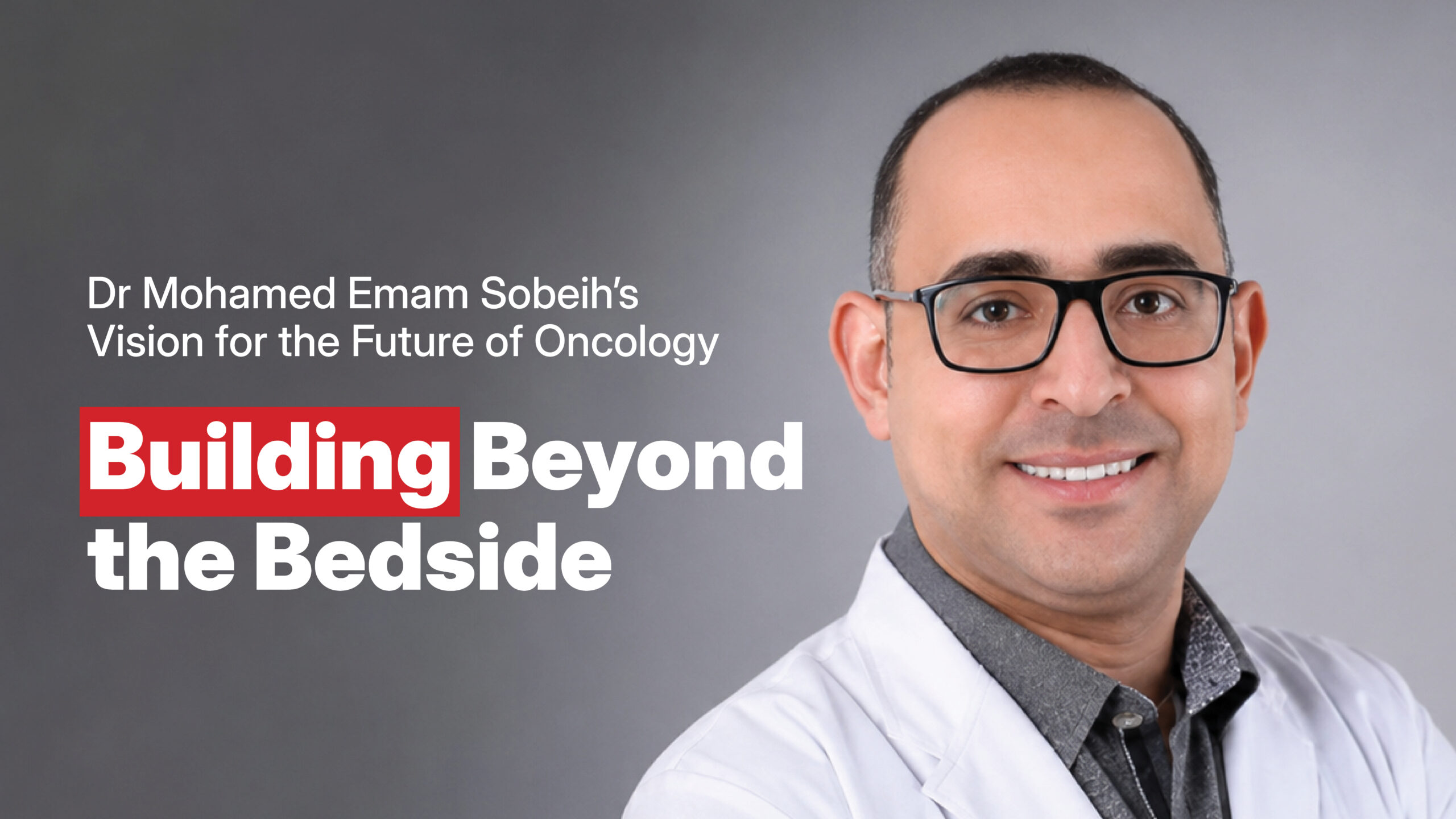
From crowded oncology wards in Cairo to international leadership in cancer education, Dr. Mohamed Emam Sobeih has built a career shaped by one central belief: treating cancer requires more than medicine alone.
At the National Cancer Institute Egypt, where Dr Mohamed Emam Sobeih began his oncology training, difficult realities confronted young physicians every day. Patients frequently arrived with advanced-stage disease. Diagnostic limitations complicated decision-making. Resources were stretched, while clinicians faced the challenge of delivering modern cancer care within constrained systems.
For Sobeih, those early years became more than clinical training. They defined his understanding of oncology itself.
“My journey in oncology began at the National Cancer Institute Egypt, where I was exposed early to a large volume of complex cases—both hematological malignancies and solid tumors,” he says. “Most patients presented at advanced stages, often with limited resources and restricted access to advanced diagnostics. This reality was both challenging and defining.”
The experience shaped not only his medical practice, but also his sense of responsibility. In environments where evidence-based recommendations could not always be implemented straightforwardly, oncology demanded adaptability as much as expertise.
“Very early on, I realized that clinical excellence alone was not enough,” Sobeih explains. “Even the best decisions could be limited by access, infrastructure, and system-level barriers.”
That realization marked a turning point. Rather than focusing solely on individual patient care, he began thinking more broadly about sustainability, education, and healthcare systems capable of improving outcomes at scale.
Evidence-Based Medicine in Real-World Settings
A major influence on that transition came through his engagement with the European School of Oncology (ESO), which introduced him to a more global and analytical approach to oncology practice.
“My exposure to the European School of Oncology was transformative,” he says. “It taught me how to critically read guidelines, interpret evidence, and apply it in context.”
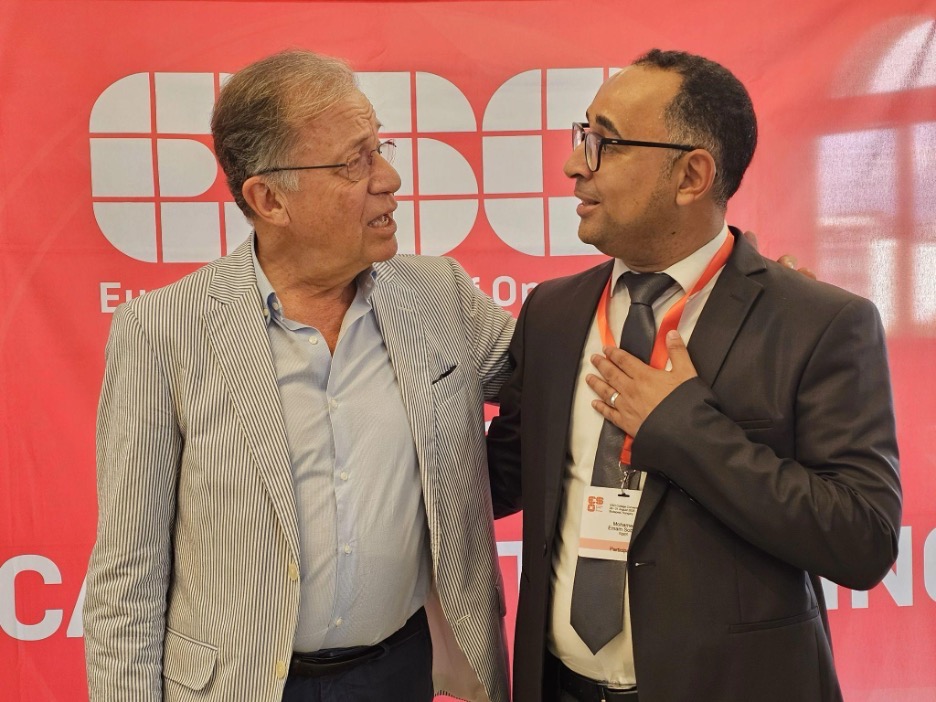
The 1st ESO Convention: with Alberto Costa, CEO of the European School of Oncology (ESO)
For Sobeih, Evidence-Based Medicine became more than an academic principle. It evolved into a practical framework for bridging the gap between international standards and real-world clinical limitations.
In many low- and middle-income healthcare systems, implementing oncology guidelines remains challenging due to restricted access to diagnostics, modern therapies, and specialized infrastructure. Rather than viewing these constraints as reasons to abandon evidence-based approaches, Sobeih focused on adaptation and collaboration.
“The main barriers were resource limitations, variability in access to diagnostics, and sometimes a gap in structured systems,” he says. “I started addressing this by adapting guidelines to local realities, building collaborations, and continuously educating myself and my colleagues.”
The process, he notes, was gradual, but consistent.
Leadership as Responsibility
As his career expanded through research, education, and international collaboration, leadership emerged naturally from clinical work.
“This transition happened naturally as my exposure grew,” Sobeih says.
“Leadership became a responsibility rather than a choice, especially when I realized that improving systems could impact far more patients than individual care alone.”
Today, as Deputy Director of the National Cancer Institute Egypt, he views leadership not as administration alone, but as the ability to create environments where multidisciplinary oncology care can thrive.
“Building effective oncology services requires vision, adaptability, and teamwork,” he says. “Leadership is about enabling others, optimizing resources, and creating a culture that values both excellence and compassion.”
The perspective reflects a broader shift in modern oncology, where sustainable progress increasingly depends on workforce development, institutional organization, and collaborative networks alongside scientific innovation.
Expanding Global Oncology Education
Sobeih’s relationship with the European School of Oncology continued to evolve after his initial training experience. What began with a single application to an international course eventually led to his becoming an ESO College Graduate and later a member of the ESO College Council.
“That opportunity opened doors to global exposure, networking, and mentorship,” he recalls. “It introduced me to a truly global perspective on oncology.”
Today, his focus within the council centers on improving educational accessibility for regions where oncology training opportunities remain uneven.
“As part of the ESO College Council, I work to ensure that oncology education becomes more accessible and tailored to regions like the Middle East and Africa,” he says. “The goal is to bridge gaps—bringing high-quality education to areas where it is needed most.”
The challenge is increasingly urgent. Across many countries in the Middle East and Africa, cancer incidence continues to rise while healthcare systems face shortages in specialized training, infrastructure, and access to innovation. For Sobeih, education is not supplementary to cancer care—it is one of its foundations.
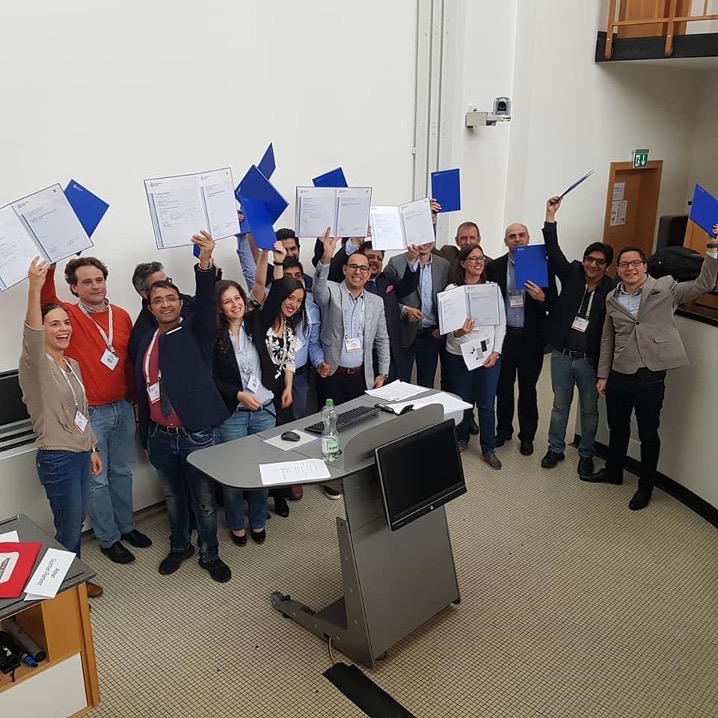
ESO Certificate of competence in lung cancer from Zurich
Supporting Patients Beyond Treatment
The same philosophy inspired the creation of the Egyptian Cancer Support Foundation, an initiative developed in response to the unmet needs he repeatedly encountered in clinical practice.
“Through my clinical journey, I witnessed significant gaps in patient support—beyond treatment itself,” he says.
The foundation aims to provide more holistic support throughout the cancer journey, including patient awareness, psychosocial support, and guidance beyond the hospital setting.
Its mission reflects a growing recognition within oncology that successful cancer care extends beyond therapy alone. Emotional support, education, navigation, and quality of life increasingly form essential components of patient-centered care.
Mentorship and the Next Generation
For Sobeih, mentorship remains one of the most effective ways to create long-term impact in oncology.
“My mentors played a crucial role in my development—from clinical practice to research,” he says. “Today, I see mentorship as a responsibility.”
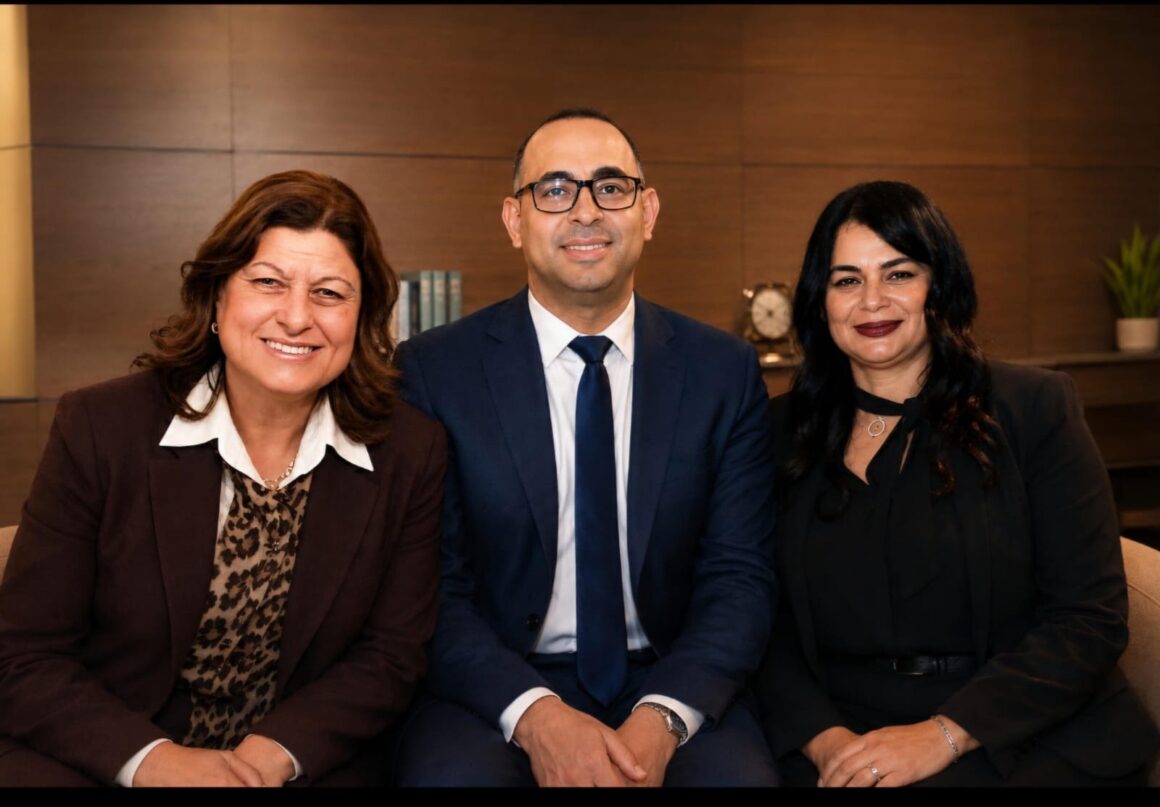
Dr Mohamed Emam Sobeih with his mentors: from left to right Professor Rabab Gaafar, Dr. Mohamed Emam Sobeih, Professor Ola Khorshid
He believes the future of oncology depends not only on training technically skilled physicians, but also on cultivating leaders capable of improving systems, conducting research, and navigating complex healthcare realities.
“Mentorship is one of the most powerful tools for sustainable change,” he says.
That commitment now informs much of his academic and institutional work, particularly in supporting young oncologists across the region.
Building Integrated Oncology Systems
Among Sobeih’s current priorities is the development of a patient-centered multidisciplinary oncology center designed to integrate advanced treatment with accessibility and supportive care.
“My vision is to build a patient-centered, multidisciplinary oncology center that integrates advanced care with accessibility,” he explains. “The focus is on combining evidence-based practice, research, and supportive care in one unified system.”
Achieving that vision, however, requires overcoming familiar challenges.
“The biggest challenges include resource limitations, access to modern therapies, and system organization,” he says. “Addressing these requires strategic planning, international collaboration, and investment in education and training.”
These obstacles are shared across many healthcare systems worldwide, particularly in low- and middle-income countries where rising cancer burdens continue to strain infrastructure and resources.
A Legacy Measured by Systems and People
Asked what legacy he hopes to leave behind, Sobeih’s answer returns not to individual accomplishment, but to collective progress.
“I hope to leave a legacy of impact—not just through the patients I’ve treated, but through the systems I’ve helped build, the professionals I’ve mentored, and the mindset I’ve contributed to shaping,” he says.
It is a philosophy rooted in the understanding that the future of oncology will depend not only on scientific breakthroughs, but also on the ability to make high-quality cancer care accessible, sustainable, and human-centered.
“Oncology is not just about treating cancer,” Sobeih says. “It’s about transforming care for future generations.”
About the Author
Knarik Arakelyan (PhD) is a psychologist and communications professional with over 14 years of experience in public relations, health communication, and public awareness campaigns. She is currently the Managing Editor of “CancerWorld“ magazine, Head of the “OncoDaily TV,” and serves as PR and Communications Officer at “EMERTÉ” Clinic.